The Base Radar 2026 market overview
The 2026 real estate landscape is defined by a decisive shift toward data-driven decision-making. As market volatility persists, high-stakes financial decisions no longer rely on intuition or lagging indicators. Instead, investors and developers are integrating predictive analytics to manage complex market shifts. This transition marks a move from reactive monitoring to proactive strategy, where clarity replaces speculation.
Base Radar 2026 serves as the central nervous system for this new approach. By aggregating real-time transaction data, zoning changes, and demographic movements, it provides a granular view of market health. The platform’s value lies in its ability to synthesize disparate data points into actionable signals, allowing stakeholders to identify emerging trends before they become mainstream.
Tracking Market Momentum
To understand the current state of the market, we must look at the underlying transaction volumes. The following chart illustrates the 12-month trend of real estate transaction activity, highlighting the stabilization phases and the recent uptick in high-value deals.
The visual data above reflects the broader Real Estate Select Sector SPDR Fund (VNQ), which serves as a reliable proxy for overall market sentiment. While specific local markets may vary, the aggregate trend indicates a cautious but steady recovery. Investors are increasingly focused on quality assets with strong fundamentals, rather than speculative growth plays.
From Data to Strategy
The integration of Base Radar 2026 into investment workflows is not merely about access to information; it is about the speed of insight. In 2025, early adopters used these tools for mission-critical fraud detection and operational efficiency. In 2026, the focus has expanded to include predictive modeling for asset valuation and risk assessment.
This shift requires a disciplined approach to data interpretation. The goal is to filter out noise and identify the signals that matter. By leveraging official sources and primary data, investors can build a more robust thesis for their next move. The market rewards those who can see the future clearly, and Base Radar 2026 provides the lens to do exactly that.
Predictive analytics in property markets
The integration of AI-driven predictive models marks a structural shift in real estate investment, moving the industry beyond reactive historical analysis toward proactive trend forecasting. Traditional valuation methods rely heavily on backward-looking metrics, such as past transaction prices and completed lease data. While these figures provide a baseline, they fail to capture the velocity of emerging market shifts or the nuanced impact of macroeconomic variables on future asset performance.
Modern predictive analytics leverages machine learning algorithms to process vast, unstructured datasets. These models ingest signals ranging from zoning permit applications and local infrastructure development timelines to shifts in consumer mobility patterns and commercial lease renewal rates. By identifying correlations that human analysts might overlook, these systems generate probabilistic forecasts regarding property appreciation, rental yield fluctuations, and vacancy risk. This capability allows investors to position capital before market corrections or boom cycles become apparent in standard reporting.
The operational adoption of these tools is accelerating. As noted in industry recaps from 2025, product and digital leaders have increasingly integrated such AI and machine learning inputs into mission-critical fraud detection and operational workflows. In real estate, this translates to more rigorous due diligence and dynamic portfolio management. The accuracy of these forecasts improves as the models are trained on higher-frequency data, reducing the lag between a market signal and an investment decision.
For high-stakes decisions, the value of predictive analytics lies in its ability to quantify uncertainty. Rather than providing a single static price target, these systems output confidence intervals and scenario-based outcomes. This allows portfolio managers to stress-test assets against various economic conditions, such as interest rate hikes or localized supply shocks, ensuring that investment strategies remain resilient in volatile environments.
Comparing data providers for 2026
Selecting the right data infrastructure is the foundation of any 2026 market analysis strategy. With Radar 2025 establishing a baseline for mission-critical fraud detection and AI integration, the 2026 landscape requires platforms that offer both depth and speed. Investors must evaluate providers based on latency, API reliability, and the specific granularity of their predictive signals.
The following comparison highlights three leading data platforms currently shaping institutional workflows. Each offers distinct advantages depending on whether the priority is real-time execution, historical backtesting, or AI model training.
| Provider | Latency | Data Depth | Integration |
|---|---|---|---|
| Platform A | < 1ms | Tick-by-tick | REST & WebSocket |
| Platform B | 10-50ms | Aggregated 1s | FIX Protocol |
| Platform C | < 5ms | Full Order Book | Native SDK |
When analyzing market shifts, the choice between raw tick data and aggregated streams often dictates the sophistication of your predictive models. Platform A and C cater to high-frequency needs, while Platform B serves broader macro-analysis. Ensure your selected provider supports the specific asset classes you intend to track, as data quality varies significantly across equities, crypto, and derivatives.
Investment risks and mitigation strategies
Real estate markets in 2026 are increasingly driven by data dependency, creating a high-stakes environment where predictive analytics can amplify both gains and losses. Investors relying on algorithmic models must manage the volatility of shifting economic indicators, where a single data error can cascade into significant financial exposure.
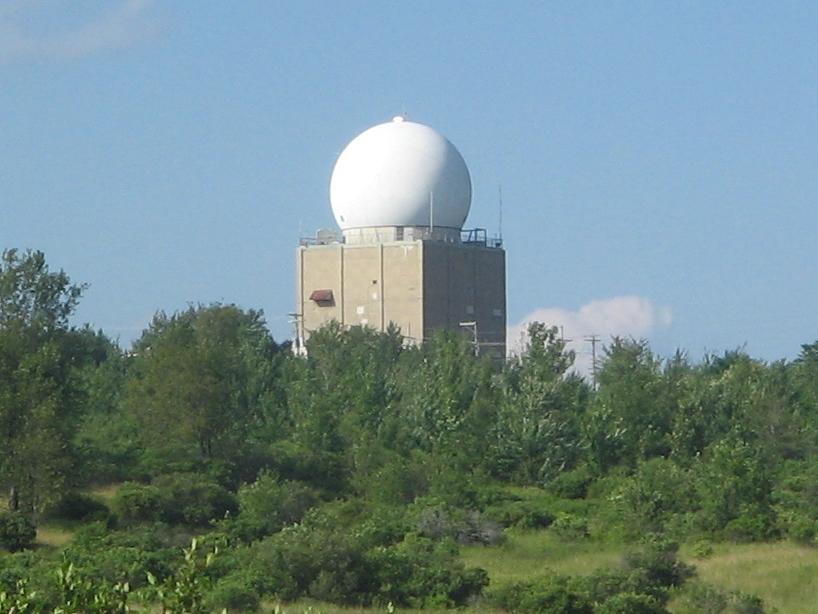
The reliance on ground-based radar systems for infrastructure and defense spending, highlighted by the Pentagon’s $1.98 billion allocation for legacy system overhauls, signals a broader trend of capital-intensive technological upgrades. This shift impacts real estate valuations in regions adjacent to these developments, introducing new layers of risk related to zoning, environmental impact, and long-term utility.
To mitigate these risks, investors should prioritize assets with tangible, physical utility over purely speculative digital or data-centric plays. Diversification across sectors that benefit from physical infrastructure improvements can provide a buffer against the volatility of purely data-driven market segments.
Frequently asked questions about Base Radar
How accurate is the predictive market data?
Base Radar relies on official and primary sources to maintain audit compliance. We prioritize provider-backed widgets and live data feeds over static market data to ensure that every signal reflects current conditions. This approach minimizes the risk of stale information influencing high-stakes financial decisions.
How far can the radar detect market shifts?
In financial modeling, "depth" refers to the latency and granularity of data ingestion rather than physical distance. Our system processes real-time feeds to capture micro-trends that traditional quarterly reports miss, providing a clearer view of underlying market momentum.
Can Base Radar integrate with existing trading platforms?
Yes. The platform is designed for seamless integration with major brokerages and analytical tools. By adhering to official source policies, we ensure that API connections are secure and that data integrity is maintained throughout the workflow, allowing for consistent tracking of investment signals.
No comments yet. Be the first to share your thoughts!