
Why base weather radar matters in 2026
Weather monitoring has shifted from passive observation to active risk management. In 2026, the standard NEXRAD network is being supplemented by localized, high-resolution systems designed to catch micro-severe events that traditional models miss. This shift is critical for home safety and business continuity, where minutes of lead time determine the difference between minor disruption and catastrophic loss.
The technology gap is widening. While older systems rely on broad sweeps, new deployments like the Scripps-managed Bay Area radar stations offer granular tracking of atmospheric rivers and wildfire smoke. These systems provide the precision needed for hyper-local alerts, moving beyond county-wide warnings to street-level accuracy.
For homeowners and facility managers, this means relying on tools that ingest this high-fidelity data. Whether you are tracking a developing storm or monitoring air quality during fire season, accurate radar input is the foundation of any effective response strategy. The following tools are selected for their ability to translate this complex data into actionable insights for your specific location.
Top weather radar apps for smartphones
Mobile weather radar apps translate raw NEXRAD data into actionable insights for home and business owners. These tools rely on high-resolution reflectivity and velocity data to track precipitation intensity and wind patterns in near real-time. Accuracy depends on the app's ability to process raw radar returns from the National Weather Service and FAA infrastructure without excessive smoothing.
When selecting a weather radar app, prioritize tools that offer clear base reflectivity views and customizable alert thresholds. The best applications distinguish between light rain and severe weather by displaying precise decibel (dBZ) levels on the map. For example, 40 dBZ indicates moderate to heavy rain, while 50 dBZ or higher signals heavy thunderstorms or hail.
Below is a comparison of the leading weather radar apps based on update frequency, alert capabilities, and cost.
| App | Update Frequency | Alert Types | Cost |
|---|---|---|---|
| NOAA Weather Radar LIVE | 3-5 minutes | Severe, tornado, flash flood | Free |
| RadarScope | 1-2 minutes | Customizable thresholds, NEXRAD products | Subscription |
| Weather Underground | 5-10 minutes | Standard severe weather | Free / Premium |
For users requiring professional-grade data, RadarScope provides direct access to raw NEXRAD products, including base velocity and storm-relative motion. This level of detail is critical for businesses that need to monitor wind shear or precipitation intensity beyond standard forecasts. NOAA Weather Radar LIVE offers a free alternative for general users, providing reliable base reflectivity and standard severe weather alerts.

As an Amazon Associate, we may earn from qualifying purchases.
Choosing the right app depends on your specific needs. Casual users may find NOAA Weather Radar LIVE sufficient for daily planning, while professionals or storm chasers will benefit from RadarScope's advanced data layers. Always verify app permissions and data sources to ensure you are receiving accurate, official weather information.
Hardware for dedicated radar monitoring
Software alone cannot replace physical sensors when you need ground-truth data to validate radar returns. Dedicated hardware bridges the gap between satellite estimates and local conditions, providing the raw inputs that make base radar interpretation accurate for your specific location.
Software Defined Radio (SDR)
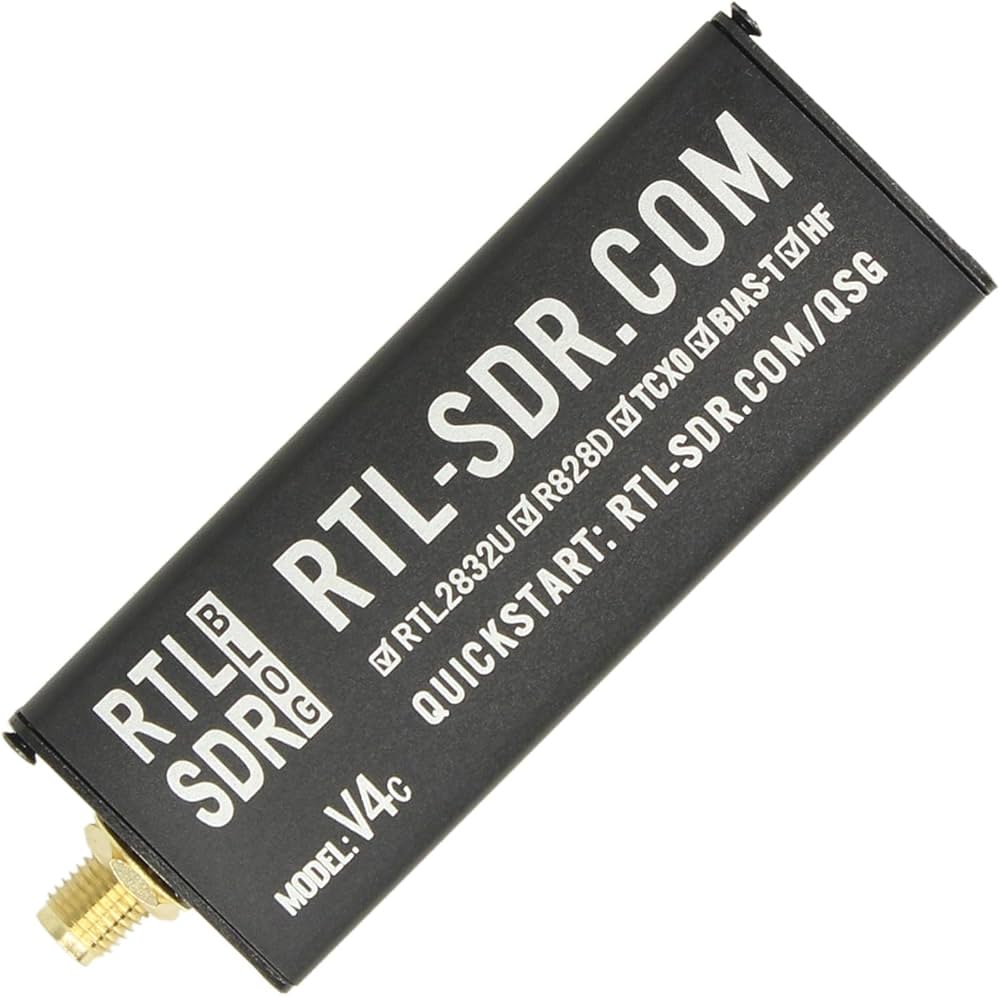
An SDR receiver captures unprocessed radio frequency signals, allowing you to decode weather data directly from the source. This approach bypasses commercial aggregators, giving you access to raw reflectivity and Doppler velocity data. For home users, the AirNav RadarBox or NooElec NESDR series are popular entry points that integrate with open-source decoding software.
Dedicated Weather Stations
A dedicated weather station provides the calibration data necessary to interpret radar images correctly. While radar shows precipitation intensity over a wide area, ground stations measure actual rainfall, wind speed, and barometric pressure at a single point. Systems like the Davis Vantage Pro2 or Fine Offset WH1080 units offer the density needed to spot-check radar accuracy against real-time local conditions.
Integration Hardware
To make this data useful, your hardware must feed into a central monitoring hub. This often requires a small form-factor computer like a Raspberry Pi or a dedicated NVR (Network Video Recorder) for business applications. These devices aggregate data from SDRs and weather stations, displaying it alongside radar overlays for a unified view of local meteorological activity.


As an Amazon Associate, we may earn from qualifying purchases.
Understanding radar reflectivity and dBZ
Weather apps and monitoring tools like Weather.us translate raw radio waves into color-coded maps using a scale called dBZ. This number measures the intensity of the echo bouncing back to the radar station, which helps you estimate how much rain or snow is falling. Think of dBZ as a volume knob for precipitation: low numbers are a whisper, while high numbers are a shout.
The scale starts at zero. Values below 20 dBZ usually indicate light rain or moderate snow. As the numbers climb into the 30s, you are looking at moderate rain. By the time you hit 40 dBZ, the precipitation is heavy enough to potentially cause minor drainage issues. When the radar shows values in the 50s and 60s, the storm is intense, often bringing heavy thunderstorms and hail.
Radar reflectivity is the foundation of modern storm detection. It allows tools to distinguish between a light drizzle and a severe squall line. By tracking these dBZ changes over time, you can see if a storm is strengthening or dissipating. This data is critical for both home safety and business continuity planning.
Frequently asked questions about radar
Understanding how radar technology works and its legal boundaries helps you choose the right monitoring tools for your home or business. These answers address common technical and regulatory questions based on official sources.
No comments yet. Be the first to share your thoughts!