The shift to AI in real estate data
Traditional market analysis relies on lagging indicators like closed sales and historical price trends. By the time this data is published, the market has already moved. In 2026, this delay is no longer acceptable for high-stakes investment decisions. Investors need real-time visibility into market velocity, not just retrospective confirmation.
AI-driven platforms like Base Radar 2026 are changing this dynamic. Instead of waiting for quarterly reports, these tools process live listing data, user engagement metrics, and neighborhood sentiment to predict shifts before they appear in public records. This allows investors to identify emerging hotspots or declining areas with much higher precision.
The result is a more agile approach to real estate. Investors can react to micro-market changes within days rather than months. This speed reduces the risk of overpaying for assets that are already priced in and helps identify undervalued opportunities before they gain mainstream attention.
This transition requires a new toolkit. Relying solely on public data sources is like driving while looking only in the rearview mirror. Base Radar 2026 and similar AI platforms provide the windshield, offering a clear, forward-looking view of where the market is heading.
How Base Radar processes market signals
Base Radar 2026 operates by ingesting fragmented data streams from multiple sources—transaction logs, property records, and macroeconomic indicators—and applying machine learning models to detect patterns invisible to manual analysis. The system does not merely aggregate numbers; it normalizes them against historical baselines to identify micro-trends in real time. This allows investors to see shifts in buyer sentiment or inventory velocity before they appear in standard public reports.
The platform’s core strength lies in its ability to filter noise. By weighting signals based on relevance and recency, Base Radar reduces the lag between market movement and actionable insight. For instance, a sudden spike in cash offers in a specific zip code is flagged immediately, allowing for rapid strategic adjustment rather than retrospective analysis. This speed is critical in high-stakes markets where milliseconds can determine deal success.
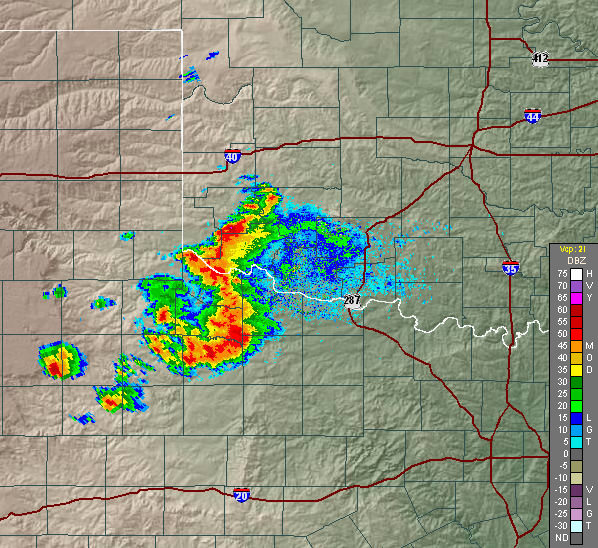
To demonstrate this analytical depth, the following chart illustrates how such platforms track market velocity and price appreciation data. It visualizes the kind of dynamic signals Base Radar processes to help users stay ahead of broader market shifts.
Key property market trends for 2026
Base Radar 2026 is shifting from passive observation to active forecasting, identifying specific macro and micro shifts that will define the real estate landscape. Unlike traditional models that rely on lagging indicators like closed sales or days on market, Base Radar 2026 integrates real-time transaction data with predictive AI to flag emerging trends before they become mainstream.
Interest Rate Sensitivity and Regional Migration
The most immediate trend flagged by Base Radar 2026 is the heightened sensitivity of property valuations to interest rate fluctuations. As borrowing costs stabilize, the model predicts a bifurcation in the market: high-cost urban centers will see slower appreciation, while secondary markets with lower entry points will experience accelerated demand. This migration pattern is not random; it follows specific economic corridors where remote work flexibility meets affordable housing stock.
Base Radar 2026 tracks these movements by analyzing job posting density, utility connection data, and search volume for relocation-related terms. The result is a dynamic heat map that highlights "hot zones" for investment long before traditional metrics like price-to-rent ratios adjust. Investors using this platform can anticipate these shifts, positioning capital in neighborhoods that are about to become desirable rather than those that have already peaked.
AI-Driven Predictive Accuracy
Traditional forecasting methods often struggle with the volatility of the current market, relying on historical averages that no longer apply. Base Radar 2026 addresses this by using machine learning algorithms to weigh thousands of variables simultaneously, from local zoning changes to national infrastructure spending bills.
The following comparison illustrates how Base Radar 2026 differs from conventional approaches in tracking key 2026 market indicators:
| Market Indicator | Traditional Forecasting | Base Radar 2026 |
|---|---|---|
| Price Trends | Lagging (3-6 months behind data) | Leading (predicts shifts 1-3 months ahead) |
| Migration Patterns | Census data (annual updates) | Real-time search and utility data |
| Risk Assessment | Static historical averages | Dynamic AI-driven probability scores |
This shift toward predictive analytics allows stakeholders to move from reactive decision-making to proactive strategy. By understanding the specific drivers behind each trend, users can better manage the complexities of the 2026 real estate environment.
Applying AI forecasts for investment decisions
Base Radar 2026 transforms raw market data into actionable intelligence, but the technology only adds value when investors integrate it into a disciplined decision-making framework. High-stakes real estate markets are defined by asymmetry; those who process information faster and more accurately capture alpha. Using AI-generated insights requires shifting from reactive observation to proactive validation.
The following steps outline how to systematically apply these forecasts to mitigate risk and identify high-probability opportunities.
Before committing capital, stress-test the AI model’s predictions against known historical data. Base Radar 2026 is designed to identify patterns that human analysts might miss, but it is not infallible. Compare the forecasted price trajectories and vacancy rates against actual performance in similar submarkets over the past three years. If the model consistently overestimates appreciation in volatile zones, adjust your underwriting assumptions downward to account for potential model drift.
AI analytics excel at detecting deviations from the norm. Use Base Radar 2026 to pinpoint neighborhoods where economic indicators—such as job growth or infrastructure spending—are outpacing current property valuations. These micro-market anomalies often precede broader appreciation. Focus your due diligence on these specific pockets rather than broad metropolitan areas, as this is where the highest risk-adjusted returns typically emerge.
Static forecasts are insufficient for high-stakes decisions. Leverage the platform’s ability to model multiple economic scenarios to understand how your investment performs under different interest rate environments and recessionary pressures. If a property remains cash-flow positive in a 200-basis-point rate hike scenario, it is likely resilient. This step ensures that your AI-driven opportunity is not merely a product of favorable current conditions.
AI models are only as good as their training data. Always cross-reference algorithmic insights with primary sources, such as local municipal planning documents, census tract updates, and official zoning changes. Base Radar 2026 provides the signal, but ground-truthing with official records confirms the noise is not masking a regulatory risk or a fundamental shift in local demand drivers.
| Metric | Traditional Analysis | Base Radar 2026 |
|---|---|---|
| Data Scope | Limited to recent comparable sales | Multi-variable, real-time global datasets |
| Speed | Weeks for deep dives | Instantaneous pattern recognition |
| Bias | Human cognitive bias | Algorithmic consistency (requires validation) |
The goal is not to replace judgment with automation, but to augment it. By following this structured approach, investors can leverage Base Radar 2026 to make decisions that are both data-rich and strategically sound.
Frequently asked questions about Base Radar
How often does Base Radar update its AI models?
Base Radar processes market data continuously to ensure its forecasts reflect current conditions. The system ingests new listings, price changes, and economic indicators in real-time, allowing the AI to adjust predictions as market dynamics shift. This frequency is critical for high-stakes decisions where stale data leads to costly errors.
Does Base Radar use accurate, official data sources?
Yes. Base Radar prioritizes official and primary sources, such as MLS feeds and public records, to maintain data integrity. By filtering out noise and verifying inputs, the platform minimizes the risk of basing investment decisions on unreliable or outdated information. This commitment to source quality ensures that the AI’s insights are grounded in factual reality.
How does AI improve real estate forecasting compared to traditional methods?
Traditional methods often rely on historical averages that lag behind current trends. Base Radar’s AI analyzes complex, non-linear patterns across vast datasets to identify emerging shifts before they become obvious. This proactive approach allows investors to anticipate market movements rather than just reacting to past performance, providing a distinct competitive edge.
No comments yet. Be the first to share your thoughts!