The 2026 forecasting landscape
The era of static annual reports is ending. In 2026, strategic forecasting has shifted from retrospective analysis to dynamic, AI-driven real-time monitoring. Organizations that rely on quarterly snapshots are losing agility, as market conditions now change faster than traditional reporting cycles can capture.
According to Thoughtworks’ April 2026 Technology Radar, the industry is experiencing "relentless AI-accelerated change." This acceleration means that forecasting tools must process vast amounts of unstructured data to identify emerging risks and opportunities before they become mainstream. The focus is no longer on predicting a single future but on mapping a range of probable scenarios in real time.
O’Reilly’s May 2026 Radar highlights how these systems are evolving. New tokenization methods in large language models allow for more granular analysis of market signals, though they also introduce new cost structures. The key is not just data volume, but the ability to filter noise. Companies are integrating these AI layers directly into their strategic dashboards, turning raw data into actionable intelligence.

AI predictive analytics in practice
Machine learning models have moved from experimental backlogs to the core engine of strategic forecasting. In 2026, the distinction between descriptive analytics and prescriptive insight has collapsed. Organizations no longer just report what happened; they simulate what will happen and automatically adjust strategies to mitigate risk or capture opportunity.
This shift transforms forecasting from a retrospective exercise into a dynamic control system. By ingesting real-time data streams, predictive models identify patterns invisible to human analysis, allowing leaders to act before market conditions shift.

The following applications illustrate how predictive analytics now operates in high-stakes environments:
Predictive analytics in action
-
Insurance risk modeling
Munich Re uses AI to analyze satellite imagery and climate data, predicting property damage risks with greater precision than traditional actuarial tables. -
Supply chain disruption
KPMG notes that firms using predictive algorithms adjust inventory levels dynamically, reducing waste and preventing stockouts during volatile periods. -
Fraud detection
Financial institutions deploy machine learning to flag anomalous transactions in milliseconds, stopping losses before they impact the balance sheet.
The reliability of these forecasts depends on data quality and model transparency. As these systems become more autonomous, the focus shifts from building models to validating their outputs against real-world outcomes.
Real-time data visualization tools
The shift from static quarterly reports to live dashboards is the defining characteristic of modern forecasting. Forecasting is no longer a retrospective exercise; it is a continuous stream of data that requires immediate interpretation. This speed of insight allows organizations to pivot strategies before market conditions harden.
Leading platforms now integrate AI directly into the visualization layer. Instead of manually filtering thousands of data points, users interact with dashboards where machine learning models highlight anomalies and predict trends in real time. This transforms raw data into actionable intelligence instantly.
The following comparison outlines how three leading business intelligence tools handle this integration, focusing on their AI capabilities and user experience.
| Tool | AI Integration | Real-Time Capability | Ease of Use |
|---|---|---|---|
| Thoughtworks Technology Radar | Automated trend classification | Bi-annual snapshots | High |
| O'Reilly Radar Trends | Curated trend detection | Monthly updates | Medium |
| KPMG Tech Horizon | Predictive scenario modeling | Continuous data feeds | High |
Strategic forecasting tools for 2026
The shift from static annual reports to dynamic, AI-driven forecasting requires a different set of instruments. In 2026, the most effective tools are those that ingest real-time data streams and apply machine learning models to identify emerging patterns before they become mainstream trends. This approach transforms forecasting from a retrospective exercise into a proactive strategic advantage.
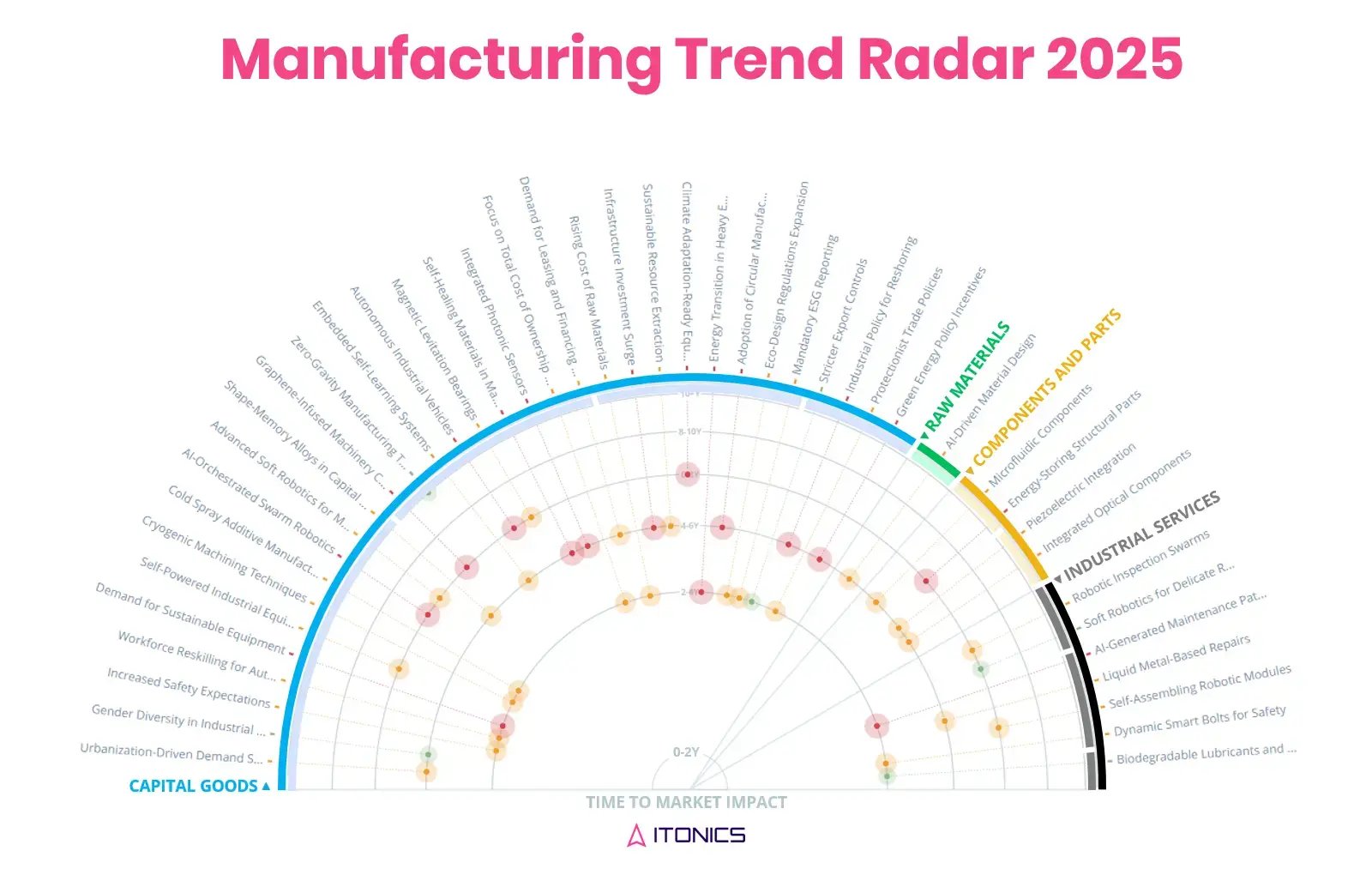
Modern radar-style forecasting platforms aggregate data from diverse sources, including market signals, social sentiment, and operational metrics. By visualizing these inputs on a dynamic dashboard, teams can spot weak signals and potential disruptions early. The goal is not to predict the future with certainty, but to reduce uncertainty and prepare for multiple plausible scenarios. Tools that offer scenario modeling and automated anomaly detection are becoming essential for navigating the volatility of the current economic landscape.
Selecting the right technology stack depends on the specific forecasting needs of the organization. Whether you require deep market intelligence or internal operational visibility, the following resources provide the hardware, software, and foundational knowledge necessary to build a robust forecasting capability.



As an Amazon Associate, we may earn from qualifying purchases.
Implementing AI-driven forecasting
Adopting AI-driven forecasting requires more than buying software; it demands a shift in how your organization treats data. As noted in Thoughtworks’ April 2026 Technology Radar, the industry is moving past experimental AI toward embedded, reliable systems. To make this transition, you must first stabilize your data infrastructure. Clean, structured data is the only way to ensure AI models generate accurate strategic insights rather than noise.
Team training is the second pillar of implementation. Forecasting teams need to understand model limitations, not just how to click buttons. Official reports from KPMG and Munich Re highlight that successful organizations invest heavily in upskilling analysts to interpret AI outputs critically. This human-in-the-loop approach prevents over-reliance on automated predictions and maintains strategic oversight.
Start by integrating one AI tool into a single forecasting workflow. Measure the improvement in speed and accuracy against your baseline. Once that pilot proves reliable, expand the infrastructure and training to other departments. This phased approach minimizes risk while building the internal expertise needed for long-term success.
No comments yet. Be the first to share your thoughts!