Bridging tokens between Solana and Base in 2025 is no longer a niche technical feat. As cross-chain interoperability has matured, the process is now streamlined, secure, and accessible even for newer users. Whether you’re seeking to move USDC, SOL, or other supported assets, understanding the mechanics of these bridges is essential for efficient capital deployment across ecosystems.
Why Bridge Between Solana and Base?
Both Solana and Base have established themselves as high-performance blockchains with distinct advantages. Solana boasts ultra-fast transaction speeds and low fees, making it ideal for DeFi and gaming applications. In contrast, Base leverages Ethereum’s security while offering scalable infrastructure for both developers and end-users. Bridging tokens allows you to capitalize on yield opportunities, liquidity pools, or NFT markets that may be exclusive to one chain.
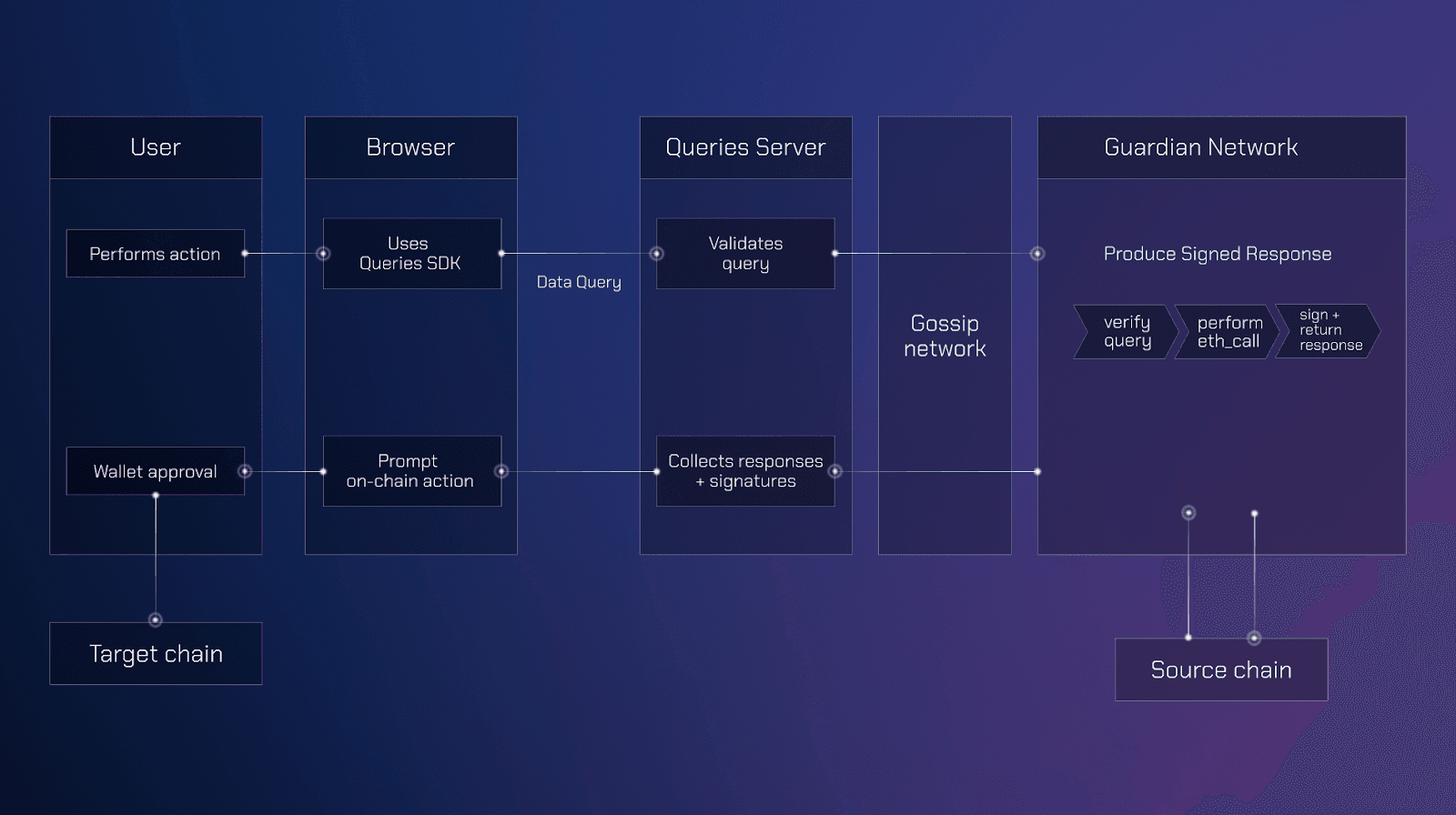
The emergence of robust bridges like deBridge, Symbiosis, and Allbridge has removed many pain points previously associated with cross-chain transfers. Security audits are now standard, interfaces are user-friendly, and native token transfers (without wrapping) are increasingly common.
Selecting the Best Cross-Chain Bridge in 2025
The first step in moving assets is choosing a reliable bridge. In 2025, several platforms stand out:
- deBridge: Known for low fees and instant finality; supports direct USDC transfers between Solana and Base.
- Symbiosis: Offers a clear interface; sends native SOL or SPL tokens without wrapping.
- Allbridge: Connects Solana and Base wallets seamlessly for USDC/USDT transfers.
Your choice should be guided by supported assets, fee structure, speed of settlement, and, crucially, security track record. Always verify that you’re on the official platform to avoid phishing risks.
A Step-by-Step Guide: Moving Tokens from Base to Solana
The process has become nearly uniform across leading bridges. Below is an actionable overview based on current best practices:
Bridge USDC from Base (MetaMask) to Solana (Phantom) Using deBridge or Symbiosis
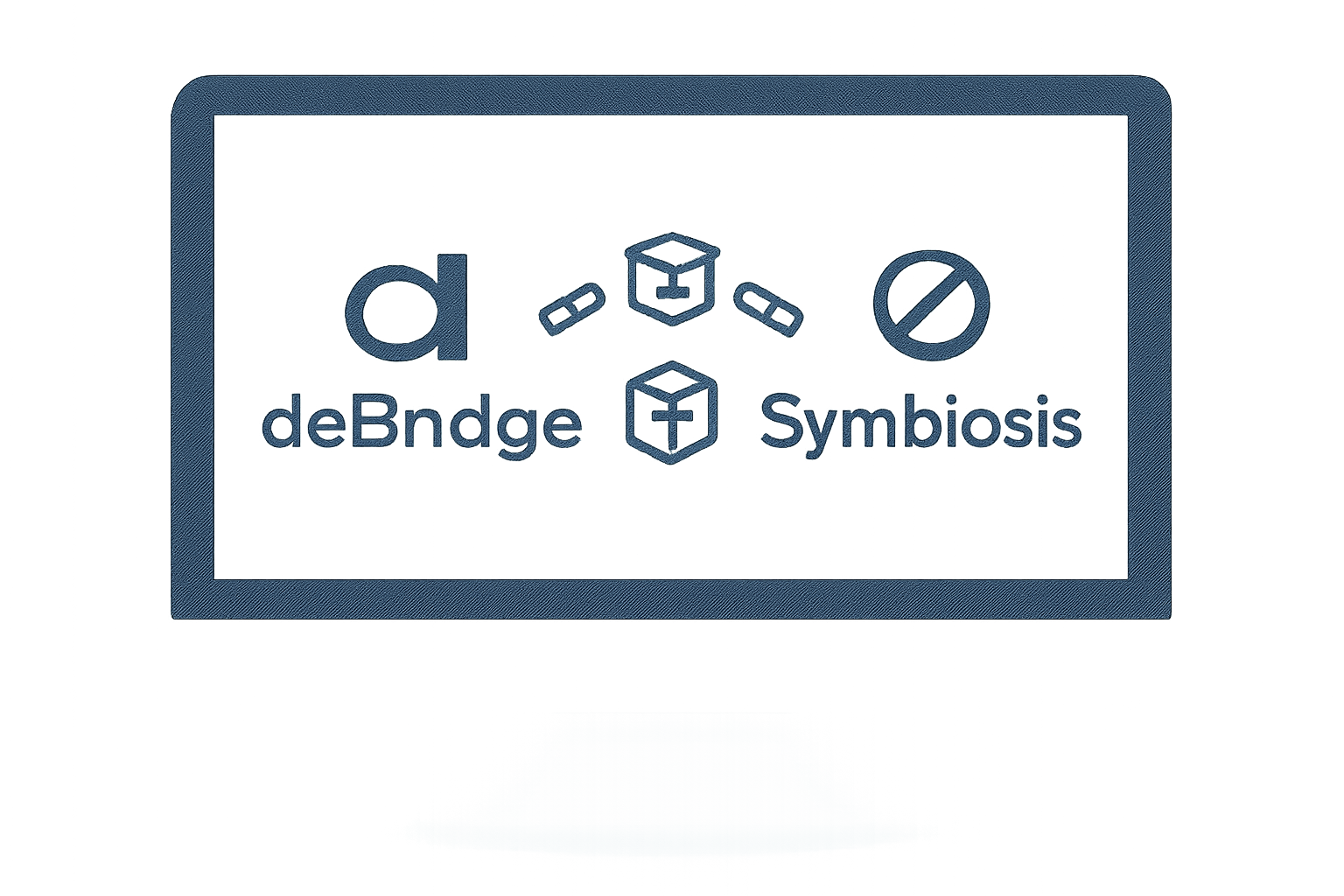
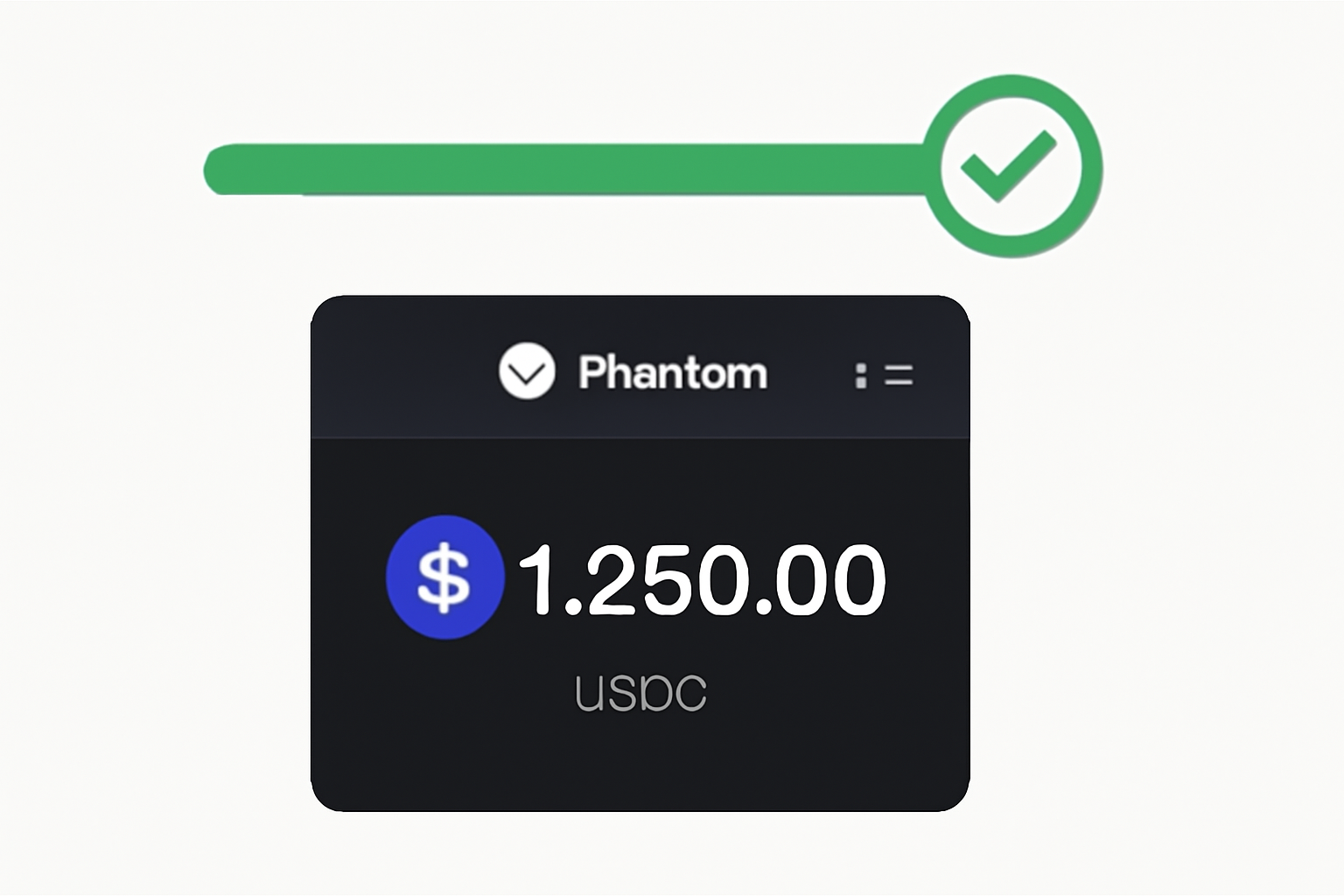
- Prepare Wallets: Install MetaMask (for Base) and Phantom or Solflare (for Solana). Fund each with enough ETH (on Base) or SOL (on Solana) to cover gas fees.
- Select Your Bridge: Navigate directly to your chosen bridge’s website, never follow unsolicited links from social media or DMs.
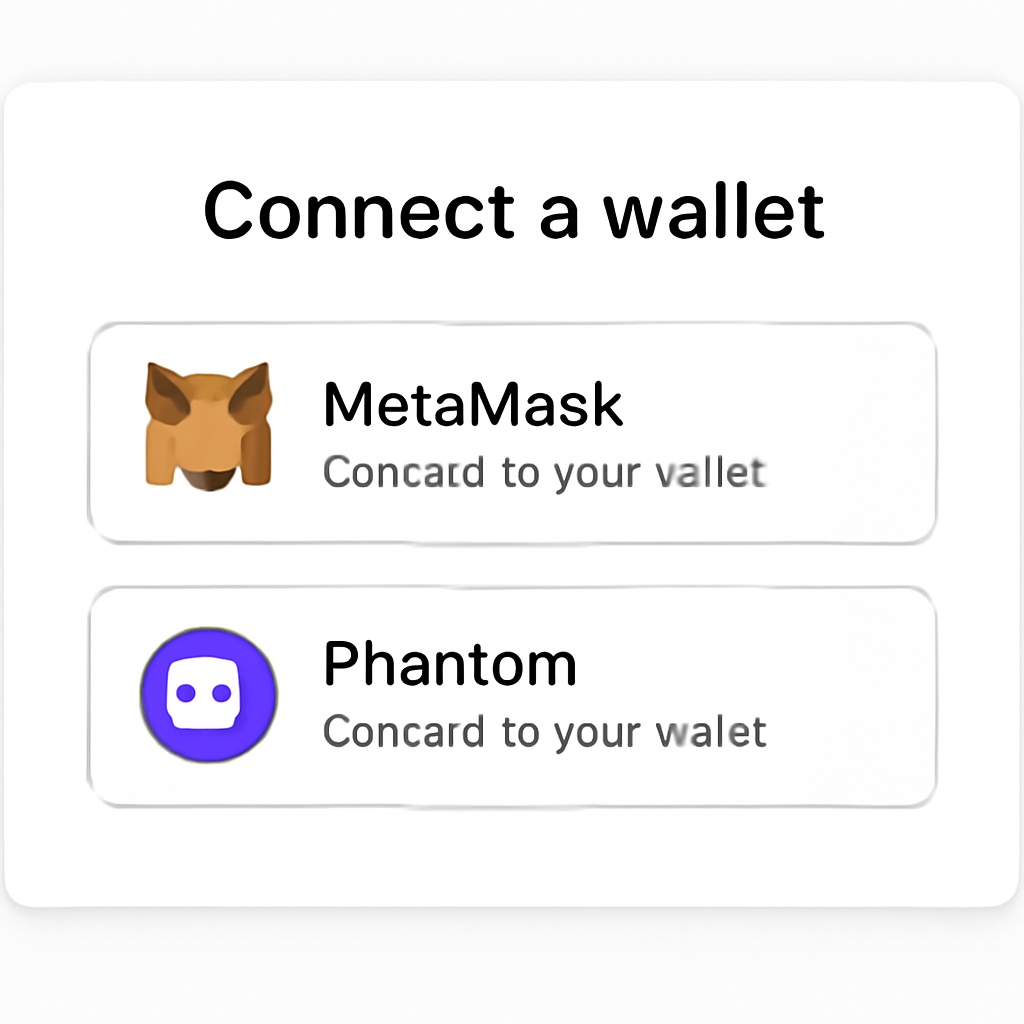
- Connect Wallets: Authorize both wallets as prompted by the bridge interface. Some platforms allow connecting both simultaneously; others require sequential steps.
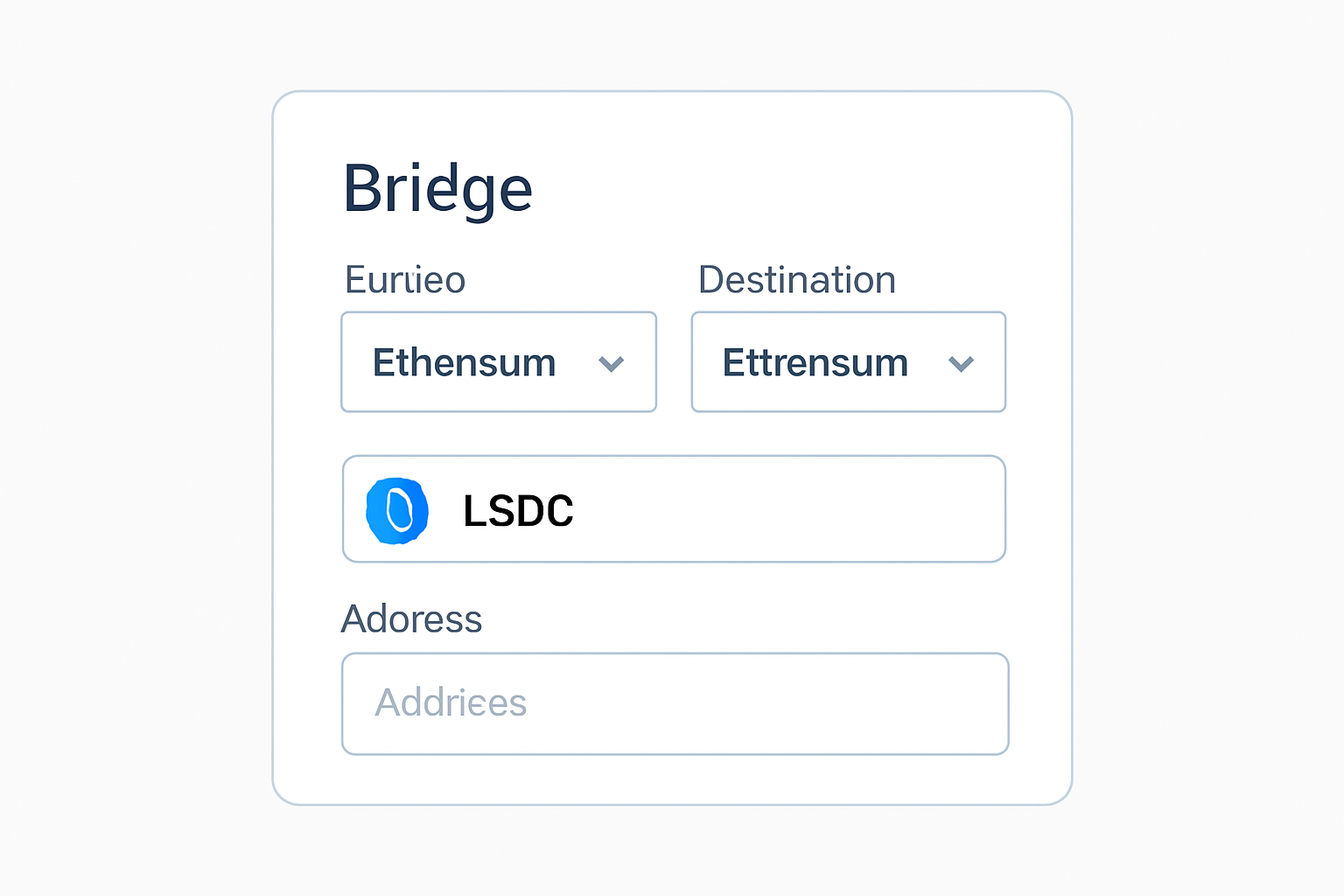
- Select Asset and Amount: Pick your token (e. g. , USDC), enter the amount you wish to transfer.
- Paste Destination Address: For example, if sending from Base to Solana, paste your Phantom wallet address as the recipient.
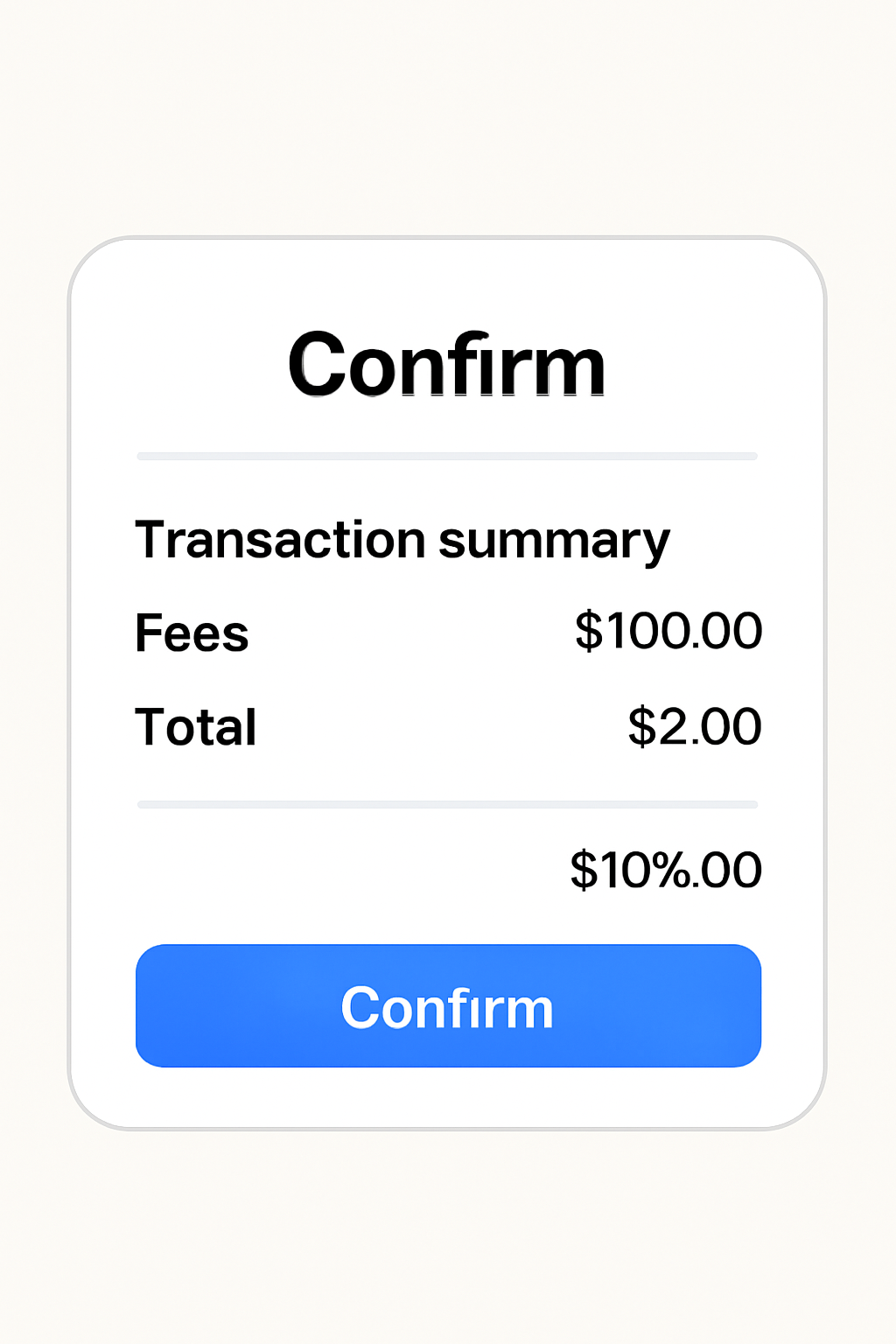
- Review Details and Fees: Check all figures carefully, including estimated arrival time and total costs, before confirming in your wallet app.
If you want more visuals or an expanded walkthrough tailored specifically for bridging between these two chains, including screenshots, you can consult our dedicated guide at How to Bridge Base to Solana: Step-by-Step Guide With Visuals.
Navigating Fees and Security Risks
Fees: Expect variable costs depending on network congestion. Bridges like deBridge typically display all charges upfront, including protocol fees and expected gas costs on both chains, so there should be no surprises at confirmation time. Security: The growing popularity of cross-chain activity has attracted scammers. Only use audited bridges with transparent security disclosures. Regularly update your wallets and never share private keys or seed phrases under any circumstances.
One crucial point for 2025: always double-check the bridge’s official URL and bookmark it. Phishing sites imitating popular bridges are a persistent threat, especially as cross-chain volumes grow. If your bridge offers two-factor authentication or additional transaction confirmations, enable them for added peace of mind.
What to Do If Your Transfer Is Delayed
Occasionally, network congestion or validator delays can slow down cross-chain transfers. Most reputable bridges provide a transaction tracker or status page. If your transfer appears stuck:
- Check the bridge’s official status page for ongoing issues or maintenance.
- Verify the transaction on both chains using respective explorers (e. g. , Solscan for Solana, Etherscan/BaseScan for Base).
- Contact bridge support via their official channels, never through unsolicited DMs.
Patience is often warranted, but if a transfer remains unconfirmed after several hours, escalate with proof of transaction hashes and wallet addresses. Most established bridges have responsive support teams familiar with these scenarios.
FAQs: Bridging Between Base and Solana
Optimizing Your Cross-Chain Strategy
Beyond simply moving assets, advanced users now leverage bridges to optimize yield strategies across DeFi protocols on both chains. For instance, you might move USDC from Base to Solana to access higher APYs in an SPL lending pool, then bridge back profits when rates change. The flexibility of modern bridges enables more dynamic portfolio management, just remember that every cross-chain hop introduces incremental risk and fees.
If you are exploring complex strategies involving multiple token types (e. g. , SPL to ERC-20 conversions), consult comprehensive guides like How to Bridge SOL and ERC-20 Tokens Between Base and Solana. These step-by-step resources can help you avoid costly mistakes during more intricate swaps.
Looking Ahead: The Future of Cross-Chain Bridges
The landscape is evolving rapidly. In late 2025, we’re seeing the emergence of chain-agnostic protocols that let users buy or swap tokens across networks without manual bridging at all, a trend led by platforms like Swim and Eco Portal. For now, however, dedicated bridges remain essential tools for anyone seeking liquidity or opportunity on both Solana and Base chains.
For those new to bridging or looking to refine their approach, always start small with test transactions before transferring large sums. As infrastructure matures further into 2026, expect even smoother user experiences and tighter integration between wallets, bridges, and DeFi dApps across ecosystems.




No comments yet. Be the first to share your thoughts!