
Market snapshot for 2026
The U.S. housing market is transitioning from a period of stagnation into a phase of modest, data-backed recovery. After national home values remained largely flat throughout 2025, 2026 is projected to bring a return to gradual price appreciation alongside improving sales volume. This shift marks a departure from the volatility of recent years, settling into a more predictable, low-growth equilibrium.
Major financial institutions are aligning on this cautious outlook. J.P. Morgan’s January 2026 global research indicates that house prices are expected to stall at 0% growth for the year, reflecting a market that is neither crashing nor surging. However, this price stability is accompanied by an expected gradual improvement in home sales, suggesting that buyer confidence is slowly returning even as affordability constraints persist.
Alternative forecasts offer a slightly more optimistic view of price movement. Zillow’s 2026 housing predictions suggest that U.S. home values may grow by 1.2% next year, a modest but positive deviation from the previous year’s stagnation. This divergence between institutional and research forecasts highlights the narrow margin for error in the current market, where small shifts in interest rates or inventory levels can significantly impact the trajectory.
The broader economic context supports this measured optimism. With inflation cooling and the Federal Reserve signaling potential rate adjustments, the financial headwinds that suppressed activity in 2024 and 2025 are beginning to ease. For buyers and sellers alike, 2026 represents a year of normalization rather than transformation, characterized by steady, incremental changes rather than dramatic market swings.
Affordability and rate shifts
The 2026 housing market is defined by a specific mechanical shift: lower mortgage rates are finally beginning to offset modest home price increases. For the first time in several years, the cost of borrowing is moving in a direction that helps buyers, rather than working against them.
According to the National Association of Realtors, economists expect home prices to grow by roughly 2% in 2026. While any price increase is a barrier, it is a manageable one when paired with declining financing costs. This dynamic creates a net improvement in affordability compared to the high-rate environment of 2024 and 2025.
To understand the current baseline, it helps to see where rates stand today. The widget below tracks the live 30-year fixed mortgage rate, providing context for the 2026 forecast.
AI valuation tools in practice
Traditional comparables are no longer enough to capture today's market velocity. AI valuation tools process millions of data points—from local zoning changes to real-time rent growth—to generate valuations that update in seconds rather than days. This shift allows investors and agents to assess value with a granularity that static reports simply cannot match.
The advantage lies in the speed of detection. While a traditional appraisal might miss a micro-market shift occurring over a few weeks, AI models ingest new listing data and transaction volumes continuously. This creates a "market radar" that flags emerging trends before they appear in quarterly reports. For instance, as negative equity situations rise in certain pockets, these tools can identify the resulting pressure on short sales faster than traditional sentiment surveys.

This precision changes how deals are sourced and priced. Instead of relying on broad regional averages, investors can drill down into specific neighborhoods to see how AI predicts value based on hyper-local variables. The result is a more dynamic approach to risk assessment, where pricing strategies adapt to real-time market signals rather than lagging indicators.
Commercial and rental shifts
The commercial real estate sector is showing signs of a sustained recovery in 2026, distinct from the residential market's more volatile trajectory. Leasing activity is projected to continue improving, with major office and industrial users returning to the market in numbers that are expected to surpass pre-pandemic 2019 levels. This resurgence is driven by large enterprises seeking to consolidate operations and modernize their physical footprints, signaling a stabilization in demand for high-quality commercial space.
Meanwhile, the rental market remains anchored by steady, inflation-matched growth. Nationwide rents are forecast to rise approximately 2% to 3% year over year by the end of 2026. This modest increase reflects a balance between supply and demand, as new apartment construction begins to meet the needs of renters without triggering a price collapse. The residential sector is essentially resetting, offering affordability relative to the high costs of homeownership, while commercial spaces are re-establishing their value through improved occupancy.
To understand the divergence between these two sectors, it helps to compare their key performance metrics for the coming year. The table below outlines the expected differences in price growth, vacancy rates, and rent trends.
| Metric | Commercial | Residential |
|---|---|---|
| Leasing Activity | Surpassing 2019 levels | Steady transaction volume |
| Rent Growth | Moderate recovery | 2% to 3% YoY |
| Vacancy Trend | Declining in prime assets | Stabilizing |
| Primary Driver | Corporate return-to-office | Affordability shift |
Home buying strategies for 2026
Navigating the 2026 housing market requires a blend of timing and technology. While Zillow forecasts home values to grow by just 1.2% this year, following a flat 2025, affordability remains the primary challenge. The National Association of Realtors notes that mortgage rates are expected to be lower, helping to offset the modest price increases. This narrow window of opportunity means buyers must move decisively when they find the right property.
Leverage digital tools to gain an edge in this competitive environment. Use real-time price alerts and virtual tour platforms to evaluate properties before they hit the open market. These tech tools allow you to act faster than traditional buyers, reducing the risk of missing out on well-priced homes. Stay informed about local inventory trends, as supply fluctuations can vary significantly by neighborhood.
For those looking to invest or make informed purchases, having the right resources is essential. Consider equipping yourself with professional-grade home inspection kits or comprehensive real estate investing guides to better understand property conditions and long-term value.
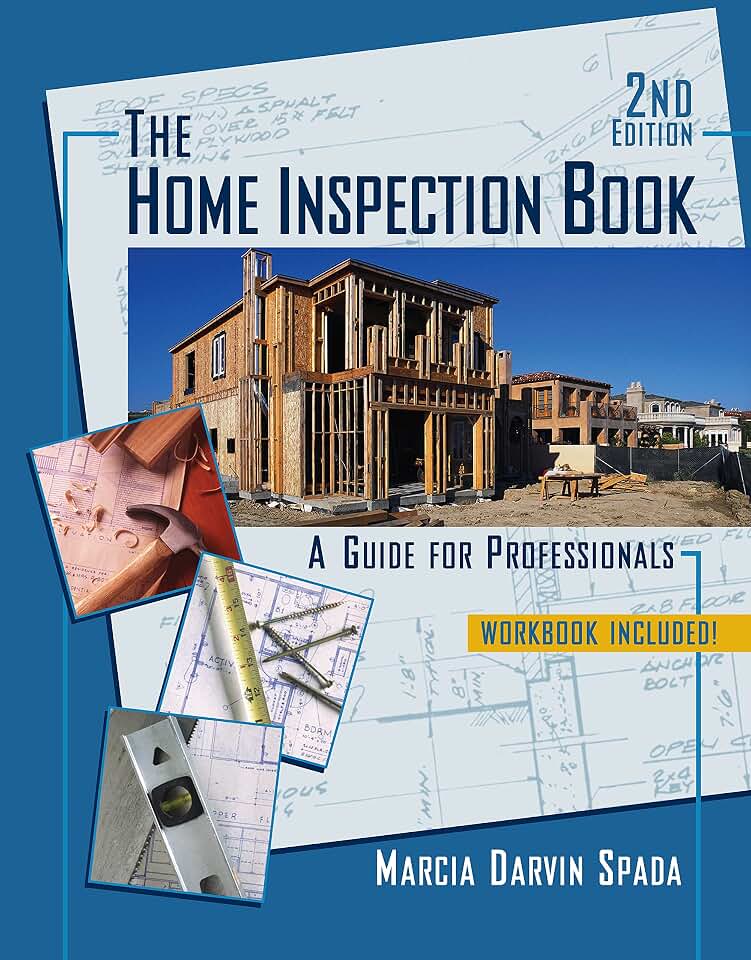

As an Amazon Associate, we may earn from qualifying purchases.
No comments yet. Be the first to share your thoughts!