Bridging ETH from Ethereum mainnet to Base has become a rite of passage for crypto explorers in 2024. The Base chain—Coinbase’s layer-2 built on Optimism’s OP Stack—has rapidly evolved into a vibrant hub for DeFi, NFTs, and memecoins. But before you can join the Base party, you’ll need to move your ETH across the bridge. For many, this is both an exciting leap and a slightly nerve-wracking one: nobody wants their funds floating in limbo between chains! Let’s walk through what you need to know to bridge ETH to Base safely, efficiently, and without unnecessary fees.
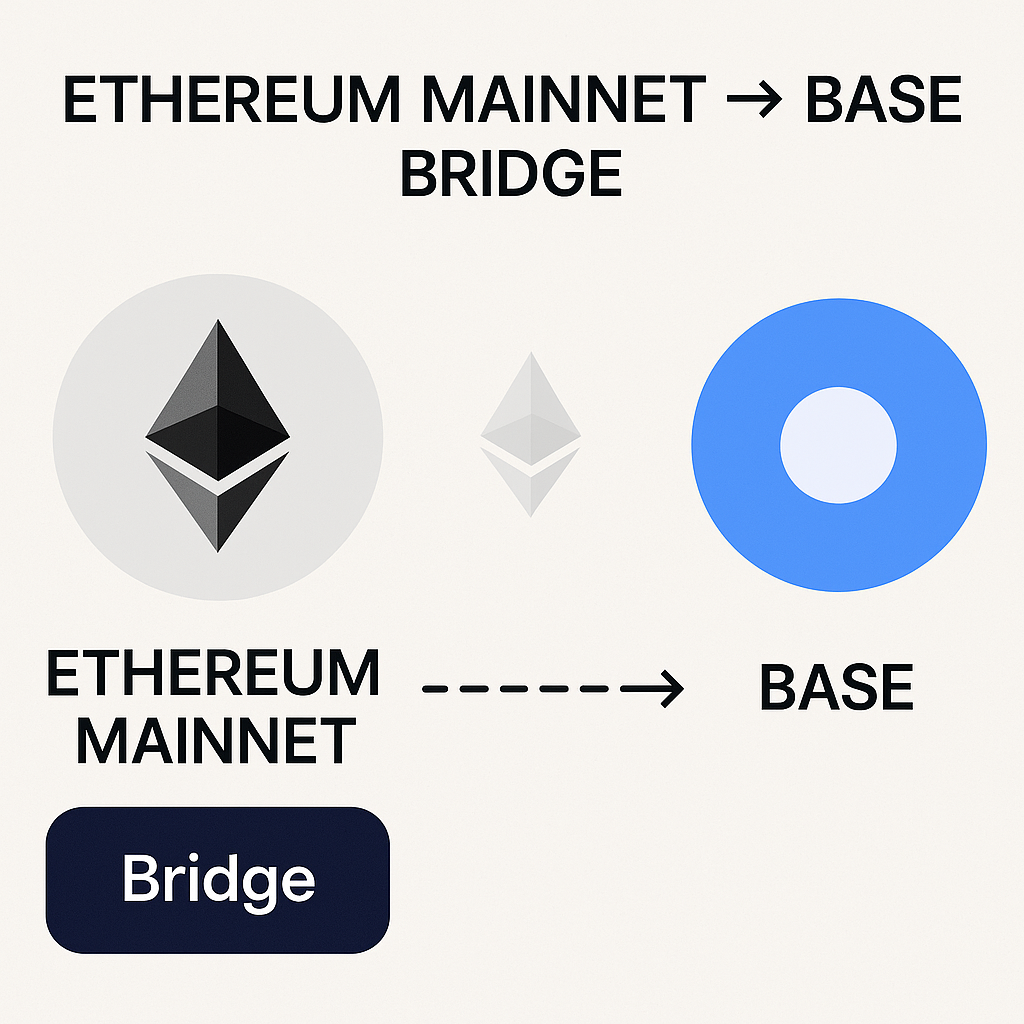
Ethereum mainnet and Base blockchain connected by a digital bridge illustration

Why Bridge ETH to Base?

If you’re reading this, chances are you’ve seen the buzz—Base is where new projects launch fast, gas fees are low, and on-chain action never sleeps. Whether it’s minting the latest NFT drop or swapping into a hot new memecoin before it trends on Twitter, you’ll need ETH on Base to play. But with so many bridges out there (Superbridge, Across Protocol, the official Base Bridge), choosing the right path can feel overwhelming.

Here’s what matters most: security, speed, and fees. Some bridges offer lightning-fast transfers; others boast ironclad security or ultra-low costs. Your choice depends on your priorities—but don’t worry, we’ll break down the options.

The Essentials: What You Need Before You Bridge

  • A wallet like MetaMask: Set up for both Ethereum mainnet and Base networks.
  • ETH on Ethereum mainnet: This will be your fuel for both bridging and paying gas fees.
  • A reliable bridge: We’ll cover how to choose one below.

Your first step is always double-checking that your wallet is connected to the correct network (Ethereum mainnet) before starting any bridging process. It sounds simple—but it’s easy to overlook in the excitement!

Bridging ETH to Base: Your Top Questions Answered

What is the Base network and why bridge ETH to it?
Base is a secure, low-cost Ethereum Layer 2 solution developed by Coinbase, designed to make crypto transactions faster and more affordable. By bridging ETH from Ethereum mainnet to Base, you gain access to a growing ecosystem of decentralized apps, lower gas fees, and exciting new projects—especially in areas like DeFi and memecoins. Bridging empowers you to explore more with your ETH!
🌉
Is it safe to bridge ETH from Ethereum mainnet to Base?
Security is a top priority when bridging assets. The official Base bridge and reputable third-party bridges use robust smart contracts and have undergone security audits. However, always double-check URLs, use trusted platforms, and consider starting with a small amount. Remember, never share your private keys or seed phrases with anyone!
🔒
How long does it take for ETH to arrive on Base after bridging?
Bridging ETH from Ethereum mainnet to Base is usually quite fast—most transfers complete within a few minutes. However, during periods of high network congestion, it might take a bit longer. If your ETH doesn't appear right away, don't panic! Check the transaction status on a block explorer and give it a little time.
Are there fees involved when bridging ETH to Base?
Yes, there are typically two types of fees: Ethereum gas fees (for the transaction on mainnet) and a small fee from the bridge service itself. Gas fees can fluctuate depending on network activity. Bridging to Base is generally much cheaper than using Ethereum mainnet for transactions, making it a cost-effective choice for frequent users.
💸
Can I bridge tokens other than ETH to Base?
While ETH is the most commonly bridged token, many bridges also support popular ERC-20 tokens like USDC, DAI, and more. Check the supported assets list on your chosen bridge before starting. The Base ecosystem is expanding, so expect even more token options in the near future!
🔗

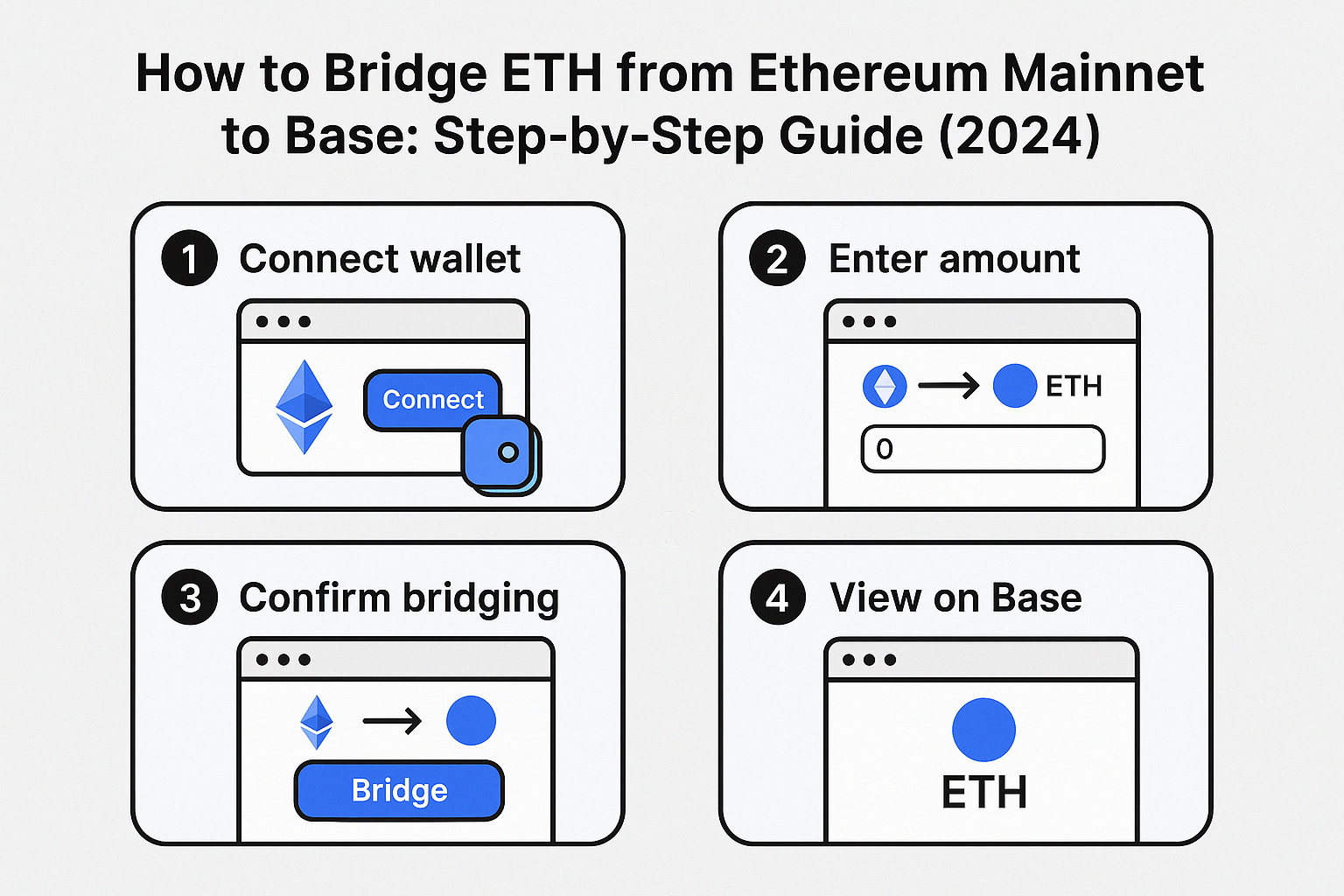
Step-by-Step Guide: How to Bridge ETH from Ethereum Mainnet to Base

No matter which bridge you use—Superbridge, Across Protocol, or another—the fundamentals are similar. Here’s how most users make their first transfer:

Bridge ETH from Ethereum Mainnet to Base: A Simple Walkthrough
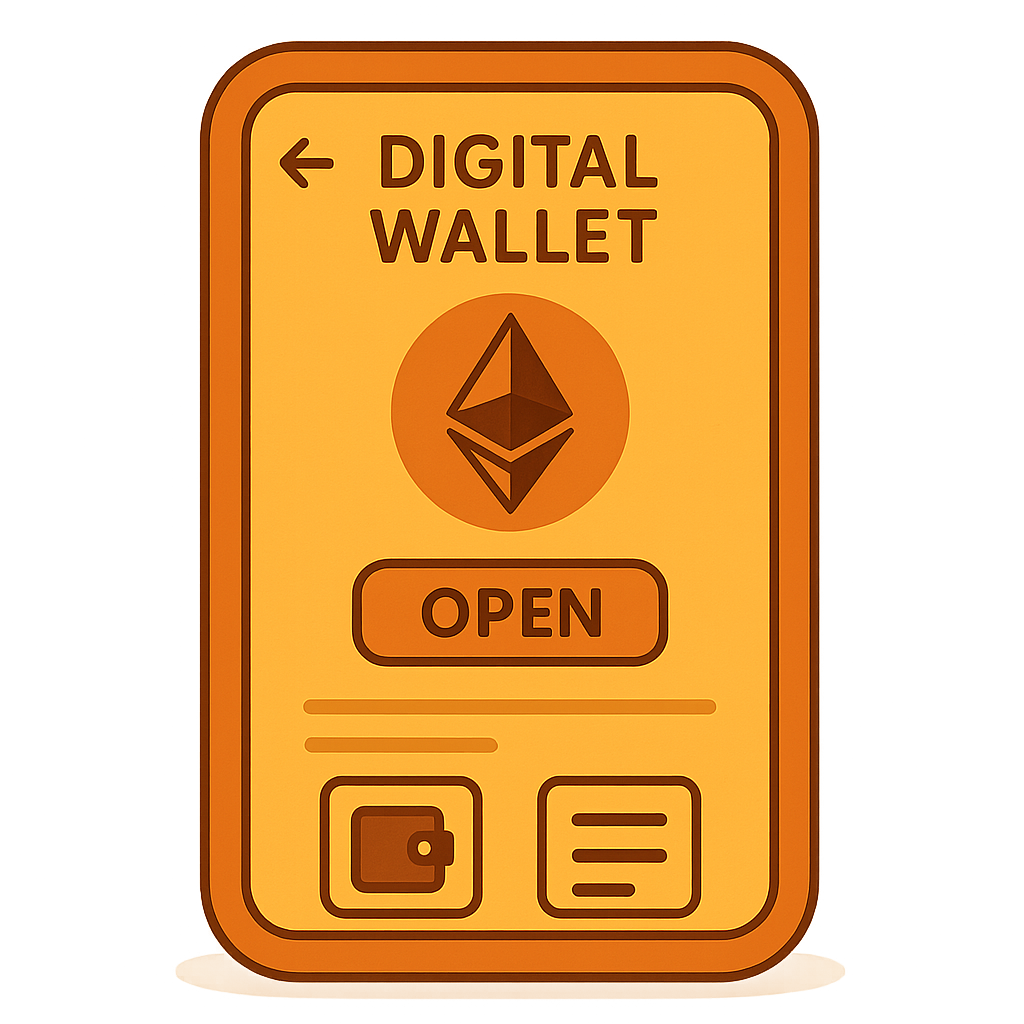
A digital wallet with Ethereum logo, friendly interface, ready for use, warm colors
Get Your Wallet Ready
First, make sure you have a crypto wallet like MetaMask set up and funded with ETH on the Ethereum Mainnet. This wallet will be your passport for the bridging journey.
A secure digital bridge connecting two blockchain islands, with Ethereum and Base logos
Choose a Trusted Bridge
Visit a reputable bridging platform such as the official Base Bridge or a popular third-party bridge like Orbiter Finance. Double-check you're on the correct website to avoid scams.
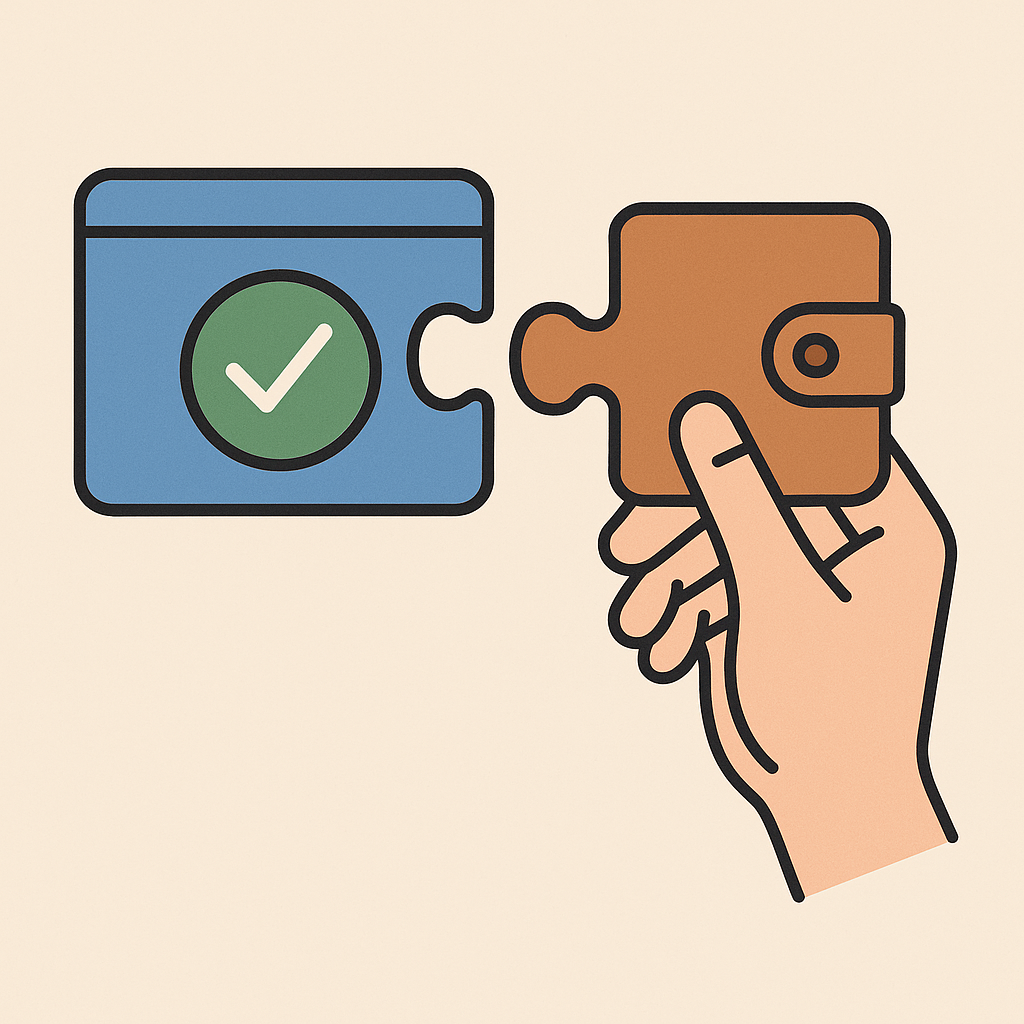
A hand connecting a puzzle piece (wallet) to a digital interface, showing approval checkmark
Connect Your Wallet
Click 'Connect Wallet' on the bridge platform. Approve the connection in your wallet extension. This step allows the bridge to interact with your ETH.
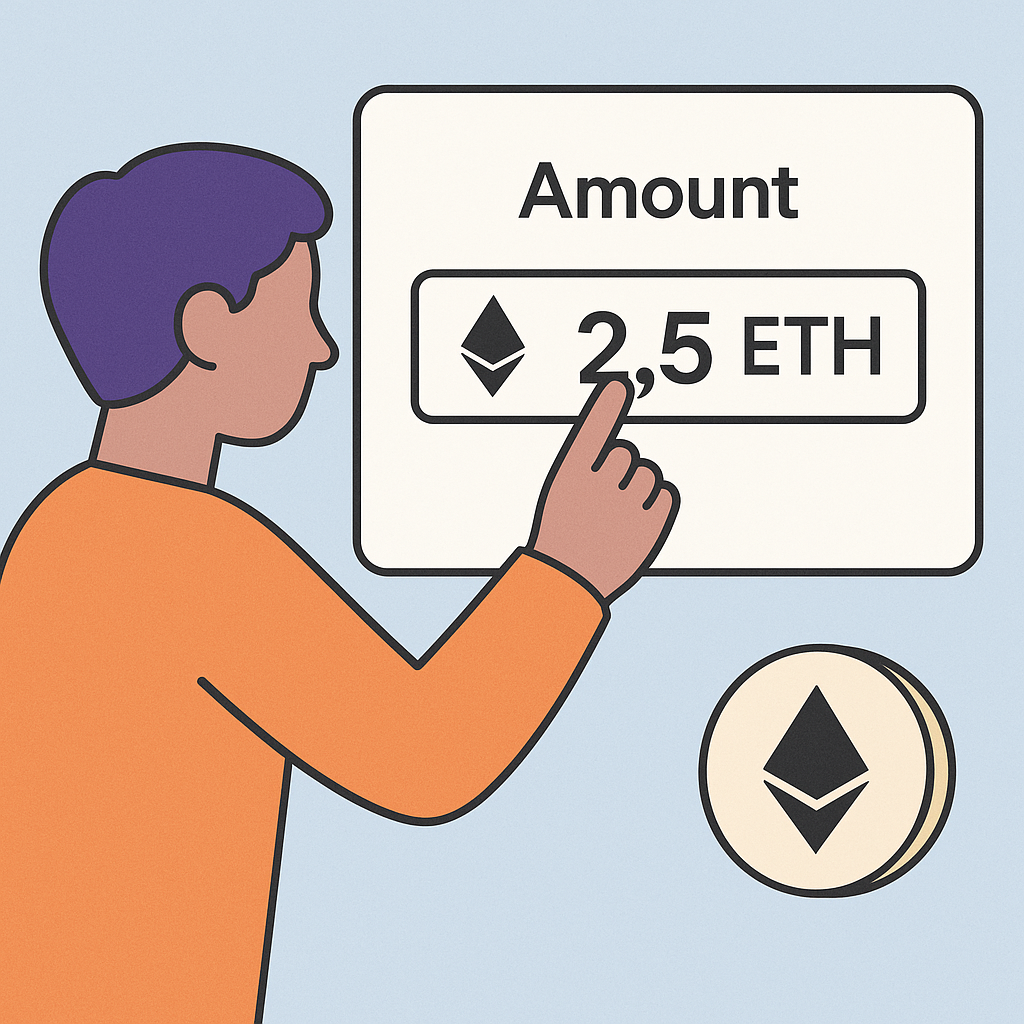
A user entering an ETH amount into a digital form, with a small ETH coin set aside for fees
Enter the Amount to Bridge
Specify how much ETH you want to send from Ethereum Mainnet to Base. Make sure you leave a little ETH for gas fees!
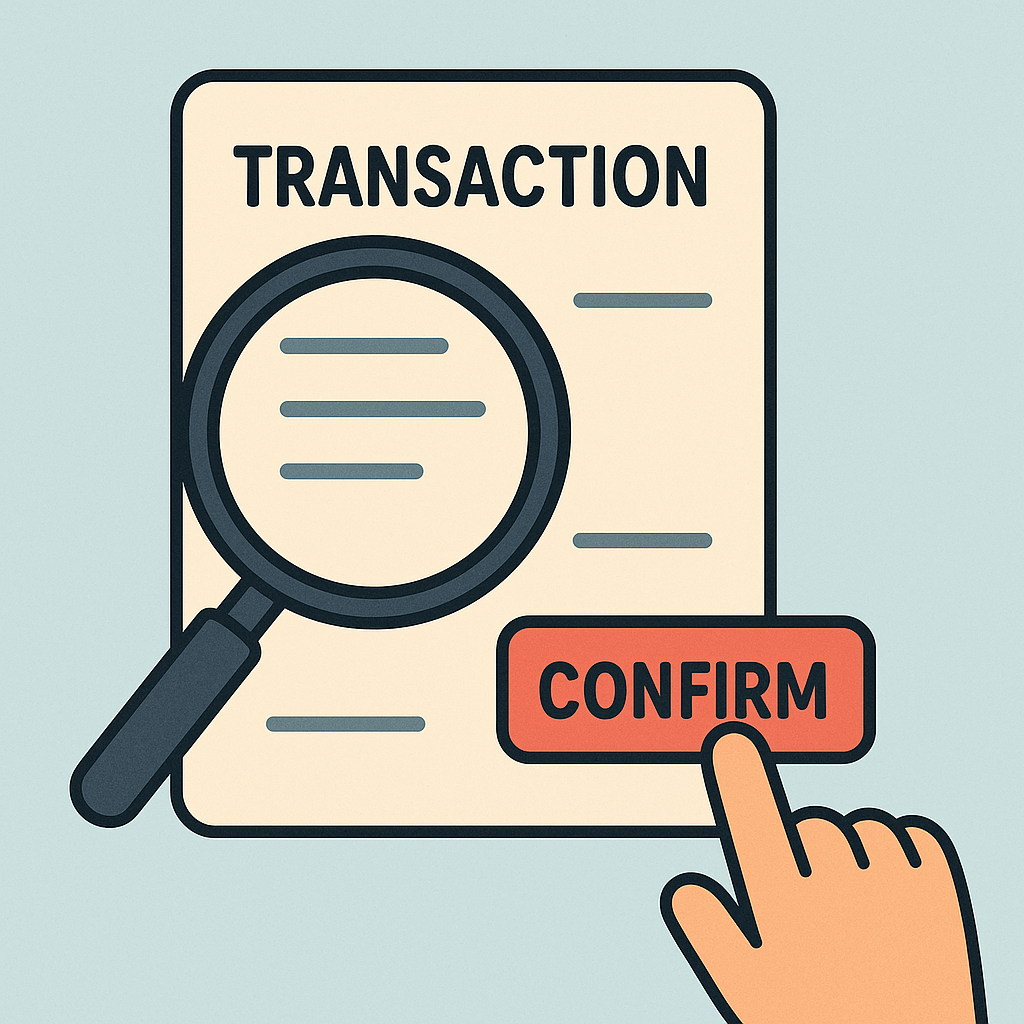
A magnifying glass over transaction details, with a finger pressing a confirm button
Review and Confirm the Transaction
Double-check the details: amount, destination network (Base), and fees. Once ready, click 'Bridge' or 'Send' and confirm the transaction in your wallet.
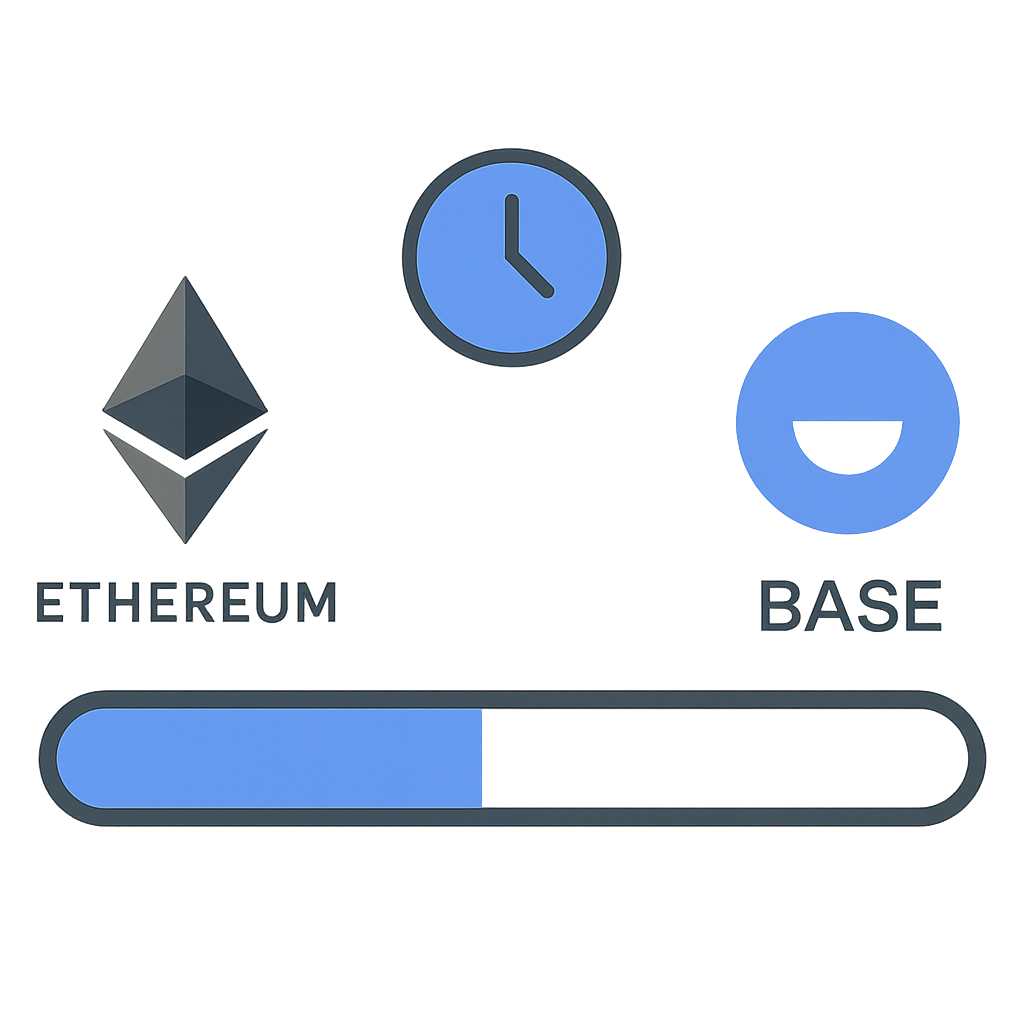
A progress bar filling up between Ethereum and Base logos, with a clock indicating waiting
Wait for the Transfer to Complete
The bridging process may take a few minutes. You can track the status on the bridge interface. Once done, your ETH will appear on Base!
A cheerful person celebrating with ETH and Base tokens, confetti in the air
Celebrate Your Successful Bridge!
Congratulations! You've successfully bridged ETH from Ethereum Mainnet to Base. Your funds are now ready to use on the Base network.

If you’re feeling nervous about sending funds across chains for the first time, remember that even seasoned crypto users started somewhere! Take your time at each step. If possible, try sending a small test amount before moving larger sums—this reduces stress and lets you get comfortable with the process.