Why Base Radar matters for real-time tracking
Base Radar is not a weather tool or a geographic location. It is a specialized analytics interface built on the Base blockchain to surface on-chain activity as it happens. For traders and developers, this means seeing transaction volume, token transfers, and smart contract interactions without the latency of standard block explorers.
The platform aggregates data from multiple sources to provide a unified view of network health. Instead of checking individual blocks, you get a consolidated feed of significant events. This clarity helps you identify trends before they appear in broader market indices.
Using Base Radar requires understanding its specific data layers. It prioritizes high-signal events over raw noise. This focus allows you to track whale movements, new liquidity pools, and contract deployments with greater precision than generic charting tools.
Base radar choices that change the plan
Choosing a base radar for crypto tracking requires balancing speed, depth, and cost. No single platform covers every nuance of on-chain activity. You must decide which metrics matter most for your specific strategy, whether that is high-frequency trading or long-term portfolio analysis.
Latency and Data Freshness
Real-time tracking means different things to different users. For arbitrage traders, milliseconds matter. For investors, a delay of a few seconds is acceptable. Evaluate how often each tool refreshes data. Some platforms offer sub-second updates for specific pools, while others batch updates every minute. Faster data usually comes with a higher subscription cost or stricter API rate limits.
Coverage Depth and Chain Support
Not all radars cover the same ground. Some specialize in Ethereum mainnet, while others focus on Layer 2 solutions like Base itself. Check if the tool supports the specific tokens or protocols you are tracking. A platform might offer excellent Ethereum coverage but lag on emerging Base-based assets. Ensure the radar’s network support aligns with your target chains to avoid blind spots.
Cost and Accessibility
Pricing structures vary widely. Some tools offer free tiers with limited queries, while others provide enterprise-grade access for a flat monthly fee. Consider the cost per API call or the monthly subscription. Free tools may lack historical data or advanced filtering. Paid tools often provide better reliability and priority support. Weigh the value of advanced features against your budget.
| Feature | Speed | Coverage | Cost |
|---|---|---|---|
| Free Tier | Slow | Limited | Free |
| Pro Plan | Fast | Broad | Monthly Fee |
| Enterprise API | Real-time | Full | High |
Choose the next step
Base Radar's works best as a clear sequence: define the constraint, compare the realistic options, test the tradeoff, and choose the path with the fewest hidden costs. That order keeps the advice usable instead of decorative. After each step, pause long enough to check whether the recommendation still fits the reader's actual situation. If it depends on perfect timing, unusual access, or a best-case budget, include a simpler fallback.
Avoid the weak options
The easiest mistake with Base Radar's is comparing options on the most visible detail while ignoring the day-to-day constraint. A choice can look strong on paper and still fail because it is too hard to maintain, too expensive to repeat, or awkward in the actual setting. Use the same checklist for every option: fit, cost, durability, timing, upkeep, and fallback plan. That keeps the comparison practical instead of drifting into preference alone.
The simplest way to use this section is to write down the real constraint first, compare each option against it, and choose the path that still works outside ideal conditions.
Base radar: what to check next
Tracking crypto on-chain activity in real-time often raises practical concerns about cost, complexity, and data accuracy. Below are the most common questions readers ask before choosing a platform like Base Radar.
Helpful gear
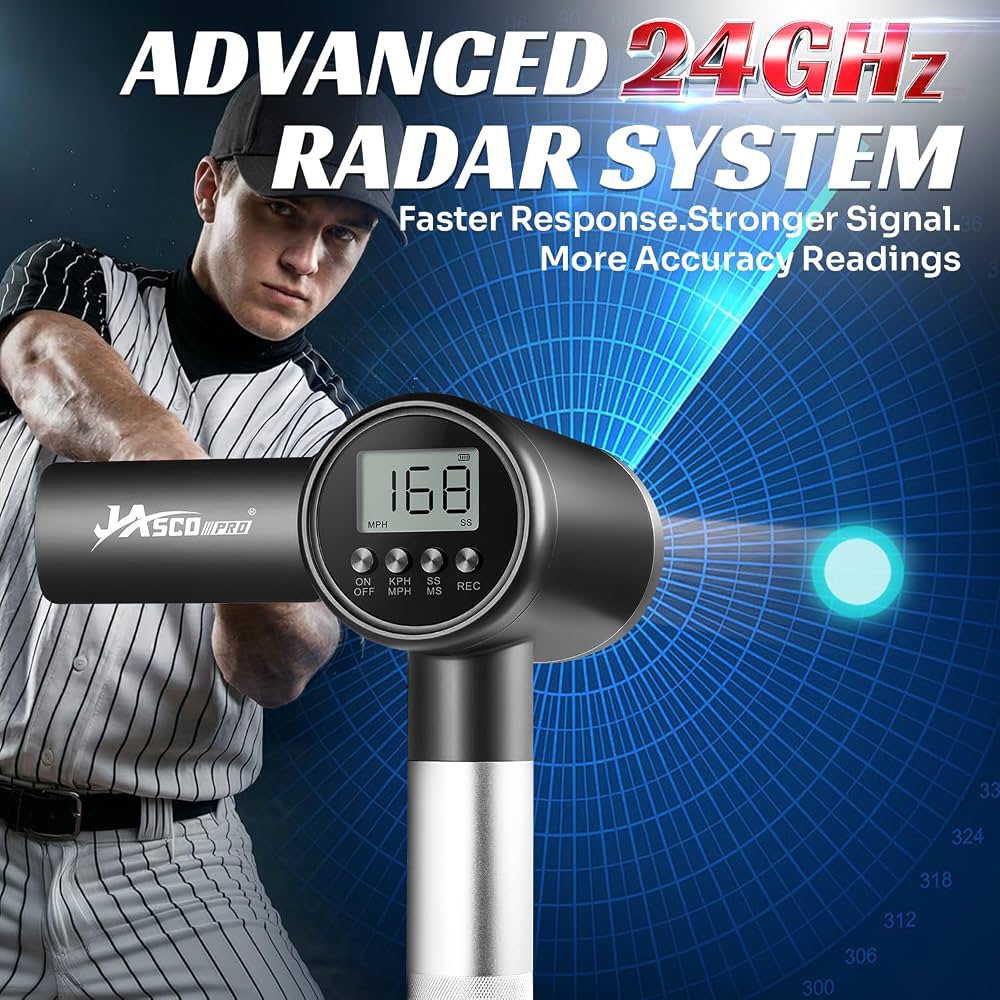
Use these product recommendations as a starting point, then choose the size, material, and price point that fit how you actually use the gear.


As an Amazon Associate, we may earn from qualifying purchases.
No comments yet. Be the first to share your thoughts!