The 2026 compliance deadline arrives
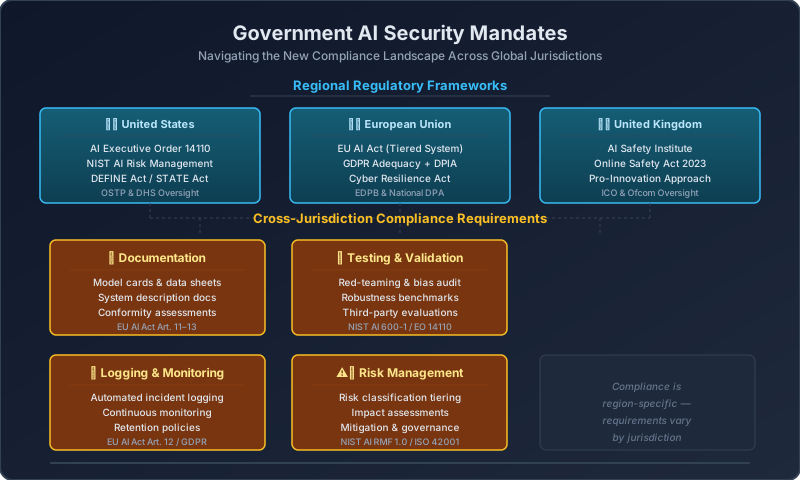
The regulatory horizon for artificial intelligence has shifted from anticipation to enforcement. On August 2, 2026, the European Union’s AI Act enters full applicability, ending the two-year transition period that allowed companies to adapt their systems. This date marks the end of the grace period for high-risk AI models, meaning non-compliance will no longer be a matter of future planning but of immediate legal liability.
The stakes are financial and operational. Regulatory expansion, combined with growing financial exposure, has moved data compliance from a technical checklist to a board-level concern. Companies that delayed integration of risk management frameworks now face the reality of audits, fines, and market exclusion. The EU’s framework is not isolated; it sets a de facto global standard that influences how multinational corporations structure their AI governance.
Meanwhile, the United States is navigating a fragmented landscape. While federal legislation remains stalled, state-level laws are accelerating. Several states have already enacted AI regulations, including California, while others are preparing laws for enforcement in 2026 and 2027. This patchwork creates a complex compliance environment where a single product may need to satisfy different legal tests depending on its deployment location. The convergence of strict EU rules and emerging US state laws means that 2026 will be the year where AI compliance becomes a tangible, daily operational burden rather than a strategic abstraction.
Key regulatory shifts in 2026
The era of voluntary AI governance is ending. In 2026, enterprises face a fragmented but aggressive enforcement landscape where regulatory gaps are closing through state-level statutes and aggressive FTC actions. Companies can no longer treat AI compliance as an optional IT project; it is now a board-level fiduciary duty.
Agentic AI and Liability
As AI systems move from passive tools to autonomous agents, the legal definition of negligence is shifting. Regulators are increasingly holding organizations strictly liable for harms caused by AI agents acting beyond their intended parameters. If an autonomous system makes a decision that violates consumer protection laws or causes financial harm, the deploying enterprise—not just the software vendor—is the primary target for enforcement. This shift demands rigorous "human-in-the-loop" verification protocols for any high-stakes automated decision-making.
Copyright and Fair Use Reckoning
The legal ambiguity surrounding generative AI training data is resolving into concrete liabilities. Courts and legislative bodies are tightening the definition of "fair use," particularly for commercial entities that scrape copyrighted works without license. Organizations using public AI tools for client work or internal content generation without proper verification and licensing are exposing themselves to significant litigation risk. The ethical and legal standard now requires clear audit trails of data provenance.
The State-by-State Patchwork
While federal AI legislation remains stalled, a de facto national standard is emerging through state laws. Colorado, California, Texas, and Illinois have enacted active AI regulations that impose strict requirements on risk assessments, bias testing, and consumer disclosure. These laws often have extraterritorial reach, affecting any company doing business in these states regardless of where they are headquartered. The Federal Trade Commission (FTC) is also leveraging existing consumer protection statutes to issue fines for deceptive AI practices, creating a unified enforcement front even without a dedicated federal AI act.
Base Radar for automated auditing
As 2026 approaches, the margin for error in AI compliance has effectively vanished. The EU AI Act’s full enforcement and the patchwork of state-level regulations in the US mean that manual audit trails are no longer sufficient to protect organizations from significant legal liability. Base Radar addresses this gap by providing a technical infrastructure designed for continuous, automated auditing rather than sporadic, reactive checks.
The platform functions as a centralized governance layer, ingesting data from disparate AI systems to verify compliance against predefined regulatory frameworks. Instead of relying on static documentation that becomes outdated immediately, Base Radar monitors model behavior and data flows in real time. This approach shifts compliance from a periodic administrative burden to an embedded operational standard.
Manual vs. Automated Auditing
The distinction between traditional compliance methods and automated auditing is stark. Manual reviews are slow, prone to human error, and unable to scale with the velocity of modern AI deployment. Automated systems like Base Radar provide consistent, auditable logs that satisfy the rigorous documentation requirements of both the EU AI Act and emerging US state laws.
| Feature | Traditional Manual Auditing | Base Radar Automated Auditing |
|---|---|---|
| Frequency | Quarterly or annual reviews | Continuous, real-time monitoring |
| Scope | Limited to sampled data points | Full dataset and model behavior analysis |
| Documentation | Static PDF reports | Immutable, timestamped digital logs |
| Risk Response | Post-violation remediation | Pre-violation alert and prevention |
| Scalability | Low; requires significant human resources | High; scales with AI system complexity |
Governance and Legal Risk
For general counsels and compliance officers, the primary value of Base Radar lies in its ability to generate defensible evidence. When regulators or plaintiffs demand proof of due diligence, the platform provides granular, machine-readable records of every compliance check performed. This transparency is critical in high-stakes environments where the cost of non-compliance includes severe financial penalties and reputational damage.
The system also supports cross-border compliance by mapping local regulatory requirements to technical controls. Whether navigating the high-risk classifications of the EU AI Act or the specific transparency mandates of California and Colorado, Base Radar ensures that governance policies are consistently applied across all jurisdictions.
Integrating governance at scale
As 2026 mandates take effect, the gap between policy intent and operational reality defines legal exposure. Enterprises must move beyond isolated compliance checks and embed governance directly into existing data infrastructure. The goal is not to build parallel systems but to weave oversight into the data lifecycle, ensuring that every model deployment is traceable and auditable.
Integrating Base Radar into this stack requires a structured approach. The following steps outline how to align governance protocols with current technical workflows.
Before automation can enforce rules, you must know where data originates. Audit all pipelines feeding AI models to identify sensitive categories. Base Radar uses this lineage map to flag high-risk data sources that require stricter handling under new state and federal laws. Without this visibility, compliance efforts remain theoretical.
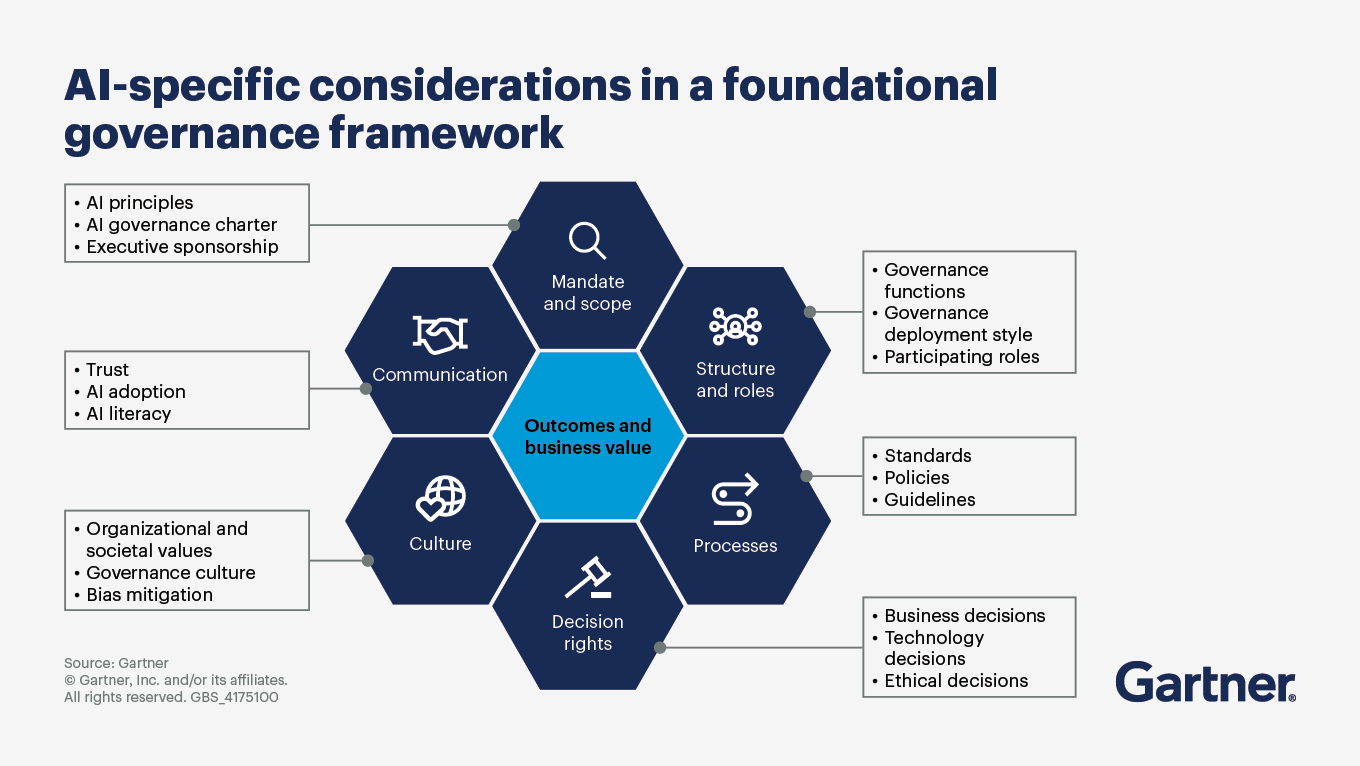
Generic risk scores are insufficient for 2026 mandates. Configure Base Radar to reflect specific regulatory requirements, such as the EU AI Act’s high-risk categories or emerging US state laws. This alignment ensures that the system prioritizes the most legally significant violations, reducing noise and focusing board-level attention on material risks.

Compliance is not a one-time audit. Integrate Base Radar to monitor model outputs and data inputs in real time. Automated alerts should trigger when deviations from approved parameters occur, allowing teams to intervene before violations escalate into regulatory penalties or reputational damage.

Governance data must reach decision-makers. Base Radar should generate concise, evidence-based reports that translate technical metrics into legal and financial implications. This transparency enables boards to oversee compliance effectively, demonstrating due diligence to regulators and stakeholders.
This integration transforms compliance from a reactive burden into a proactive control mechanism. By anchoring governance in existing data stacks, enterprises can meet 2026 mandates with precision and accountability.
Technical Chart
Helpful gear
Use these product recommendations as a starting point, then choose the size, material, and price point that fit how you actually use the gear.


As an Amazon Associate, we may earn from qualifying purchases.
No comments yet. Be the first to share your thoughts!