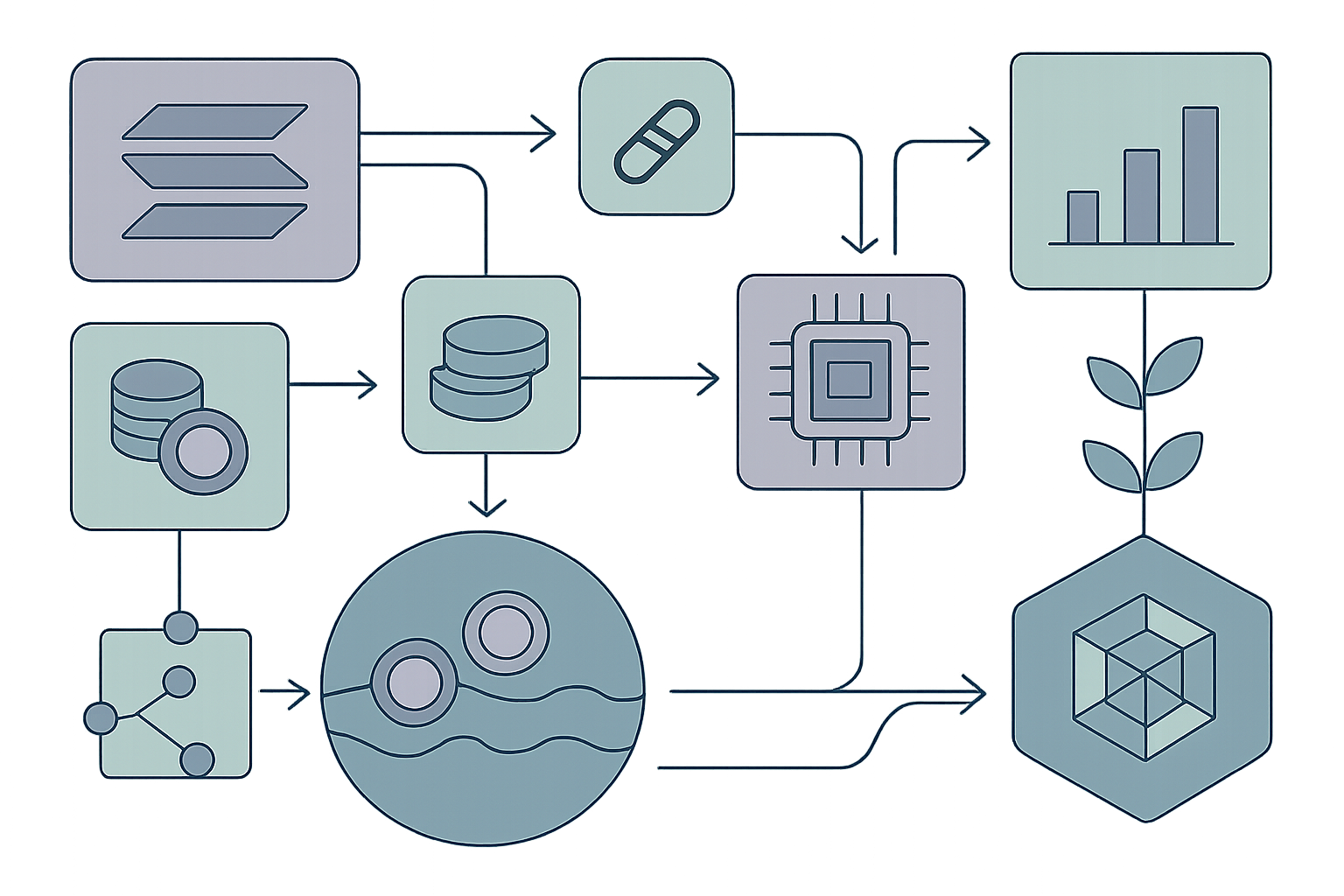
Bridging tokens from Solana to Base Chain in 2025 is now a streamlined process, thanks to the maturation of cross-chain infrastructure and the proliferation of secure, low-latency bridges. With Base Chain’s rapid rise as a hub for DeFi and memecoins, capital efficiency increasingly depends on your ability to move assets between Solana’s high-speed L1 and Base’s EVM-compatible ecosystem. This guide delivers an in-depth, step-by-step breakdown of the most reliable methods for bridging your tokens while minimizing risk and fees.
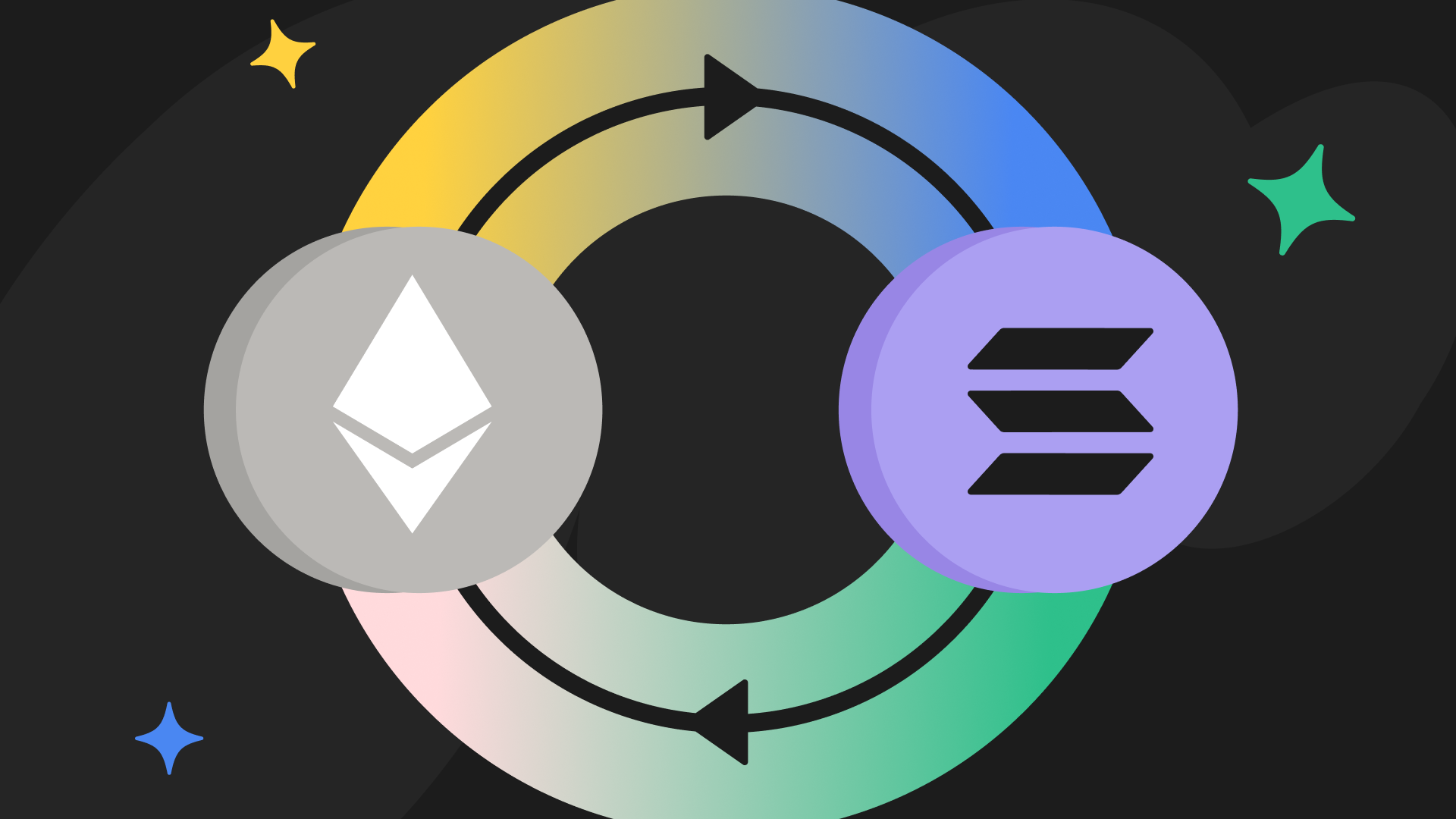
Why Bridge from Solana to Base in 2025?
The rationale for bridging tokens from Solana to Base has never been stronger. Solana, with its blazing-fast transactions and robust NFT/memecoin culture, remains a dominant force for retail traders. However, Base Chain has evolved into a liquidity-rich environment favored by sophisticated DeFi protocols, options markets, and emerging meme assets. By moving capital between these chains, you can execute arbitrage strategies, access exclusive yield opportunities, or simply take advantage of lower trading fees on Base.
The key drivers behind this cross-chain movement include:
- Diversification: Hedge exposure across ecosystems with different technical risks.
- Yield Optimization: Access higher APYs on new protocols launching natively on Base.
- Meme Market Cycles: Rotate profits between trending coins on Solana and Base.
- Fee Arbitrage: Transact during periods of congestion when one chain offers lower gas costs.
The Most Trusted Bridges: deBridge, Symbiosis and Allbridge
The competitive landscape for cross-chain bridges in late 2025 is defined by a handful of platforms that have proven both resilient and user-friendly. Below we dissect the three leading options for bridging from Solana to Base:
- deBridge: Known for audited security and flat fees (0.001 ETH), deBridge offers near-instant finality when transferring assets like USDC from Solana to Base. It supports major wallets such as Phantom (Solana) and MetaMask (Base).
- Symbiosis WebApp: A seamless interface that supports native token transfers without wrapping or unnecessary complexity. Real-time progress tracking reduces uncertainty during volatile market conditions.
- Allbridge: A versatile platform supporting numerous tokens with broad wallet compatibility. Its intuitive UI lowers the barrier for first-time users while maintaining rigorous security standards.
If you’re looking for more granular walkthroughs or visual demos, see our detailed guides linked above or visit our comprehensive step-by-step visual tutorials specifically tailored for each bridge provider.
Step-by-Step: How to Bridge SOL or SPL Tokens to Base Chain
The process is remarkably similar across all major bridges but does require attention to detail at each stage to avoid costly errors or delays. Here’s a breakdown using deBridge as an example (the same logic applies broadly across Symbiosis and Allbridge):
Bridge Tokens from Solana (Phantom) to Base (MetaMask): Step-by-Step Guide (2025)
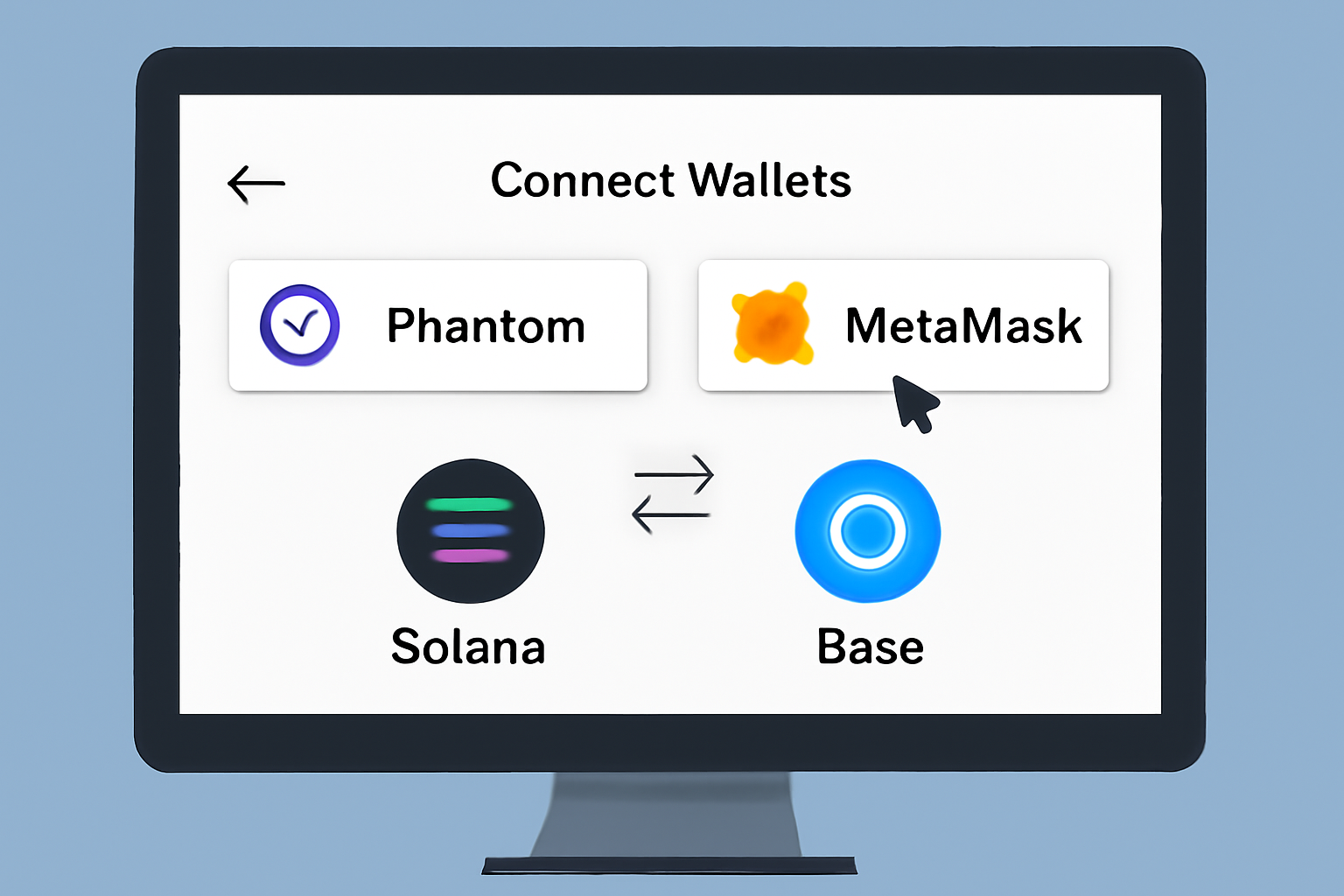
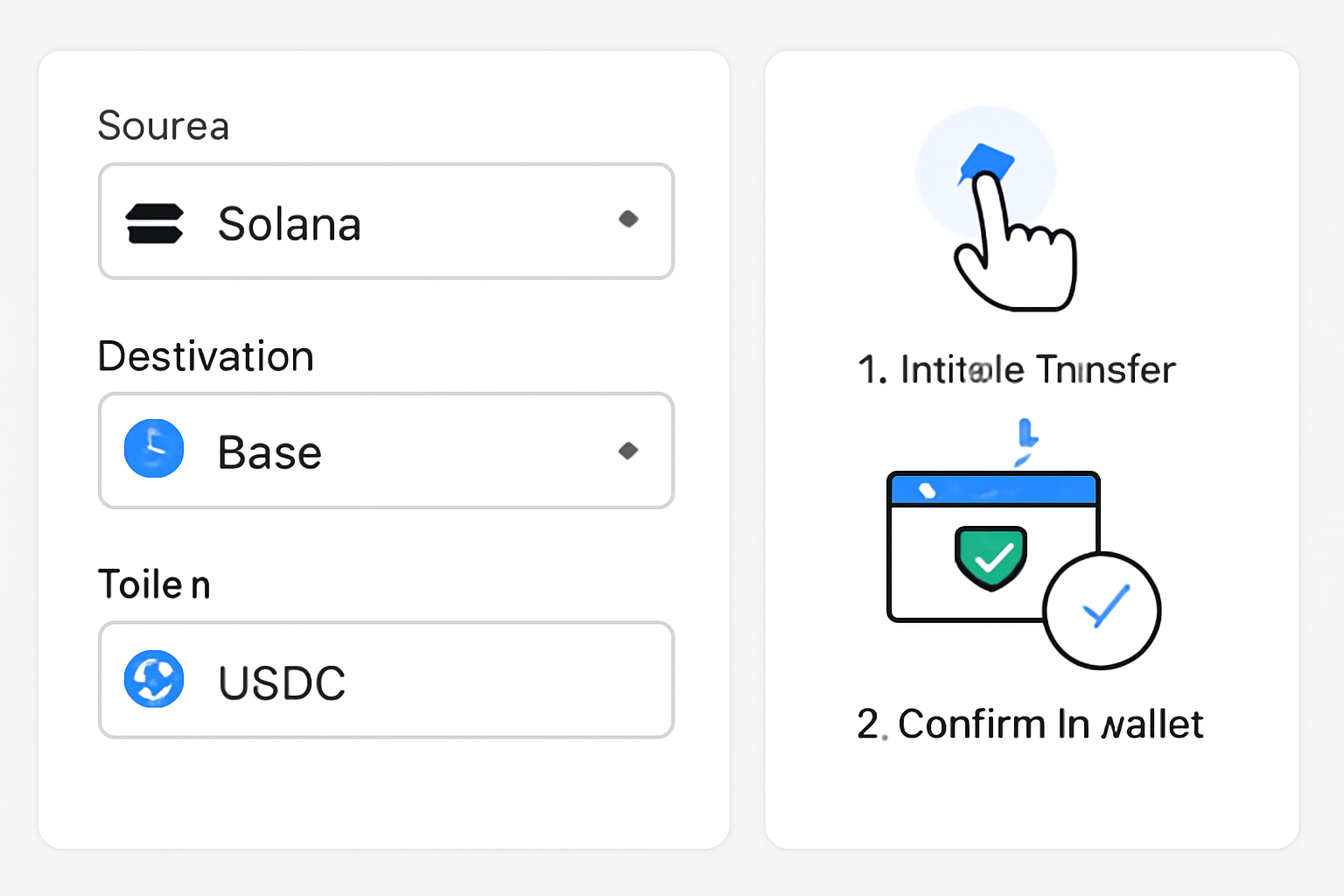
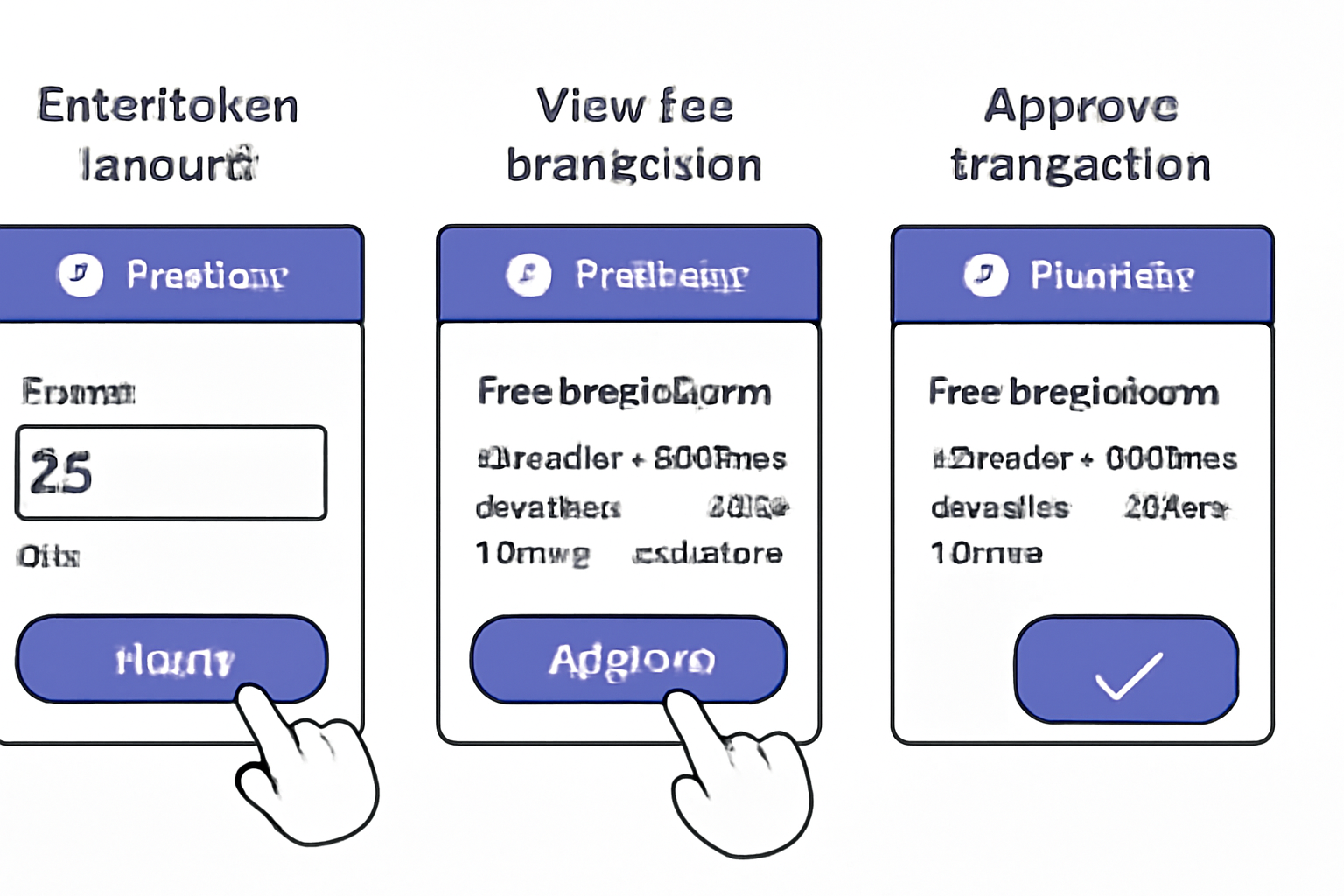
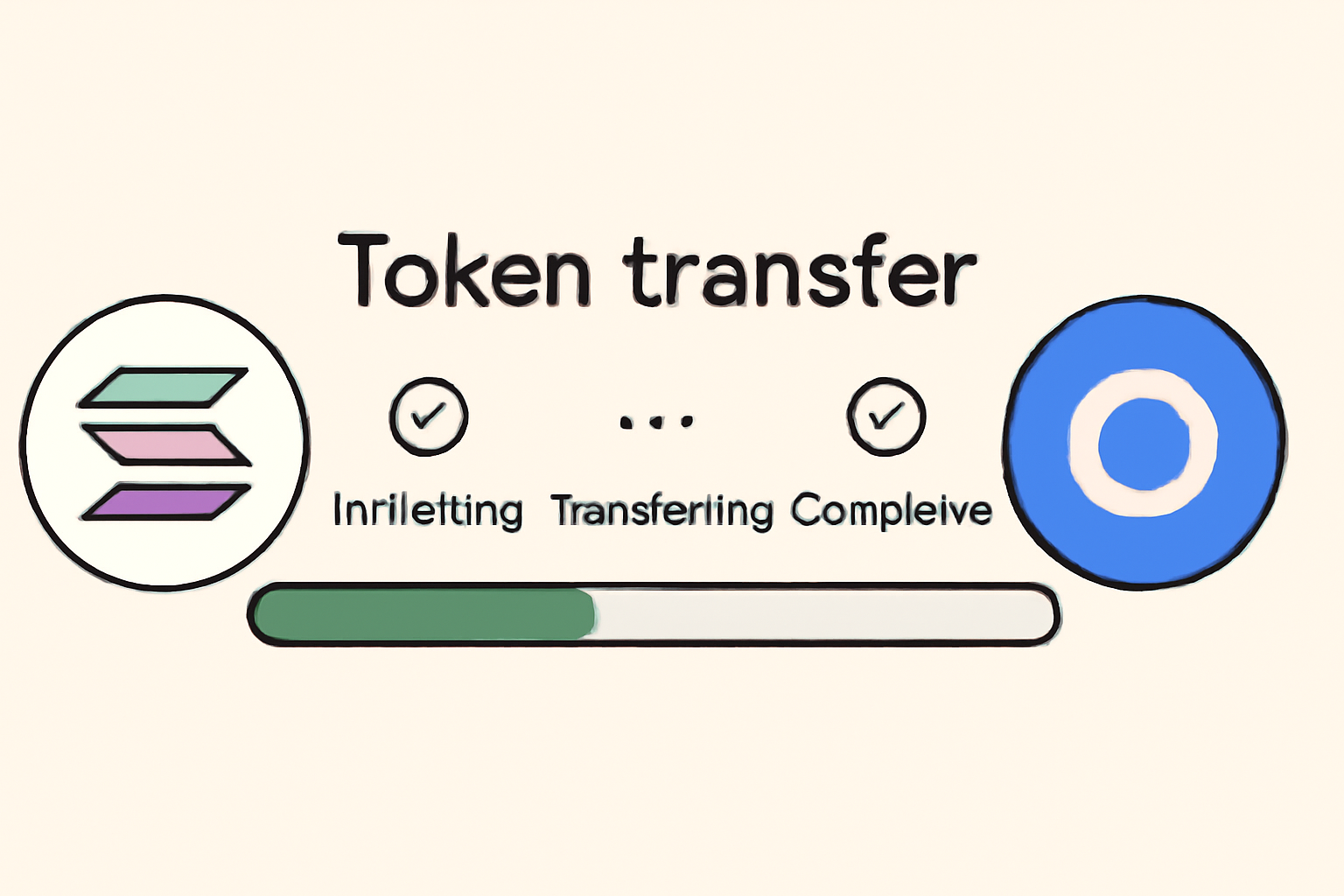
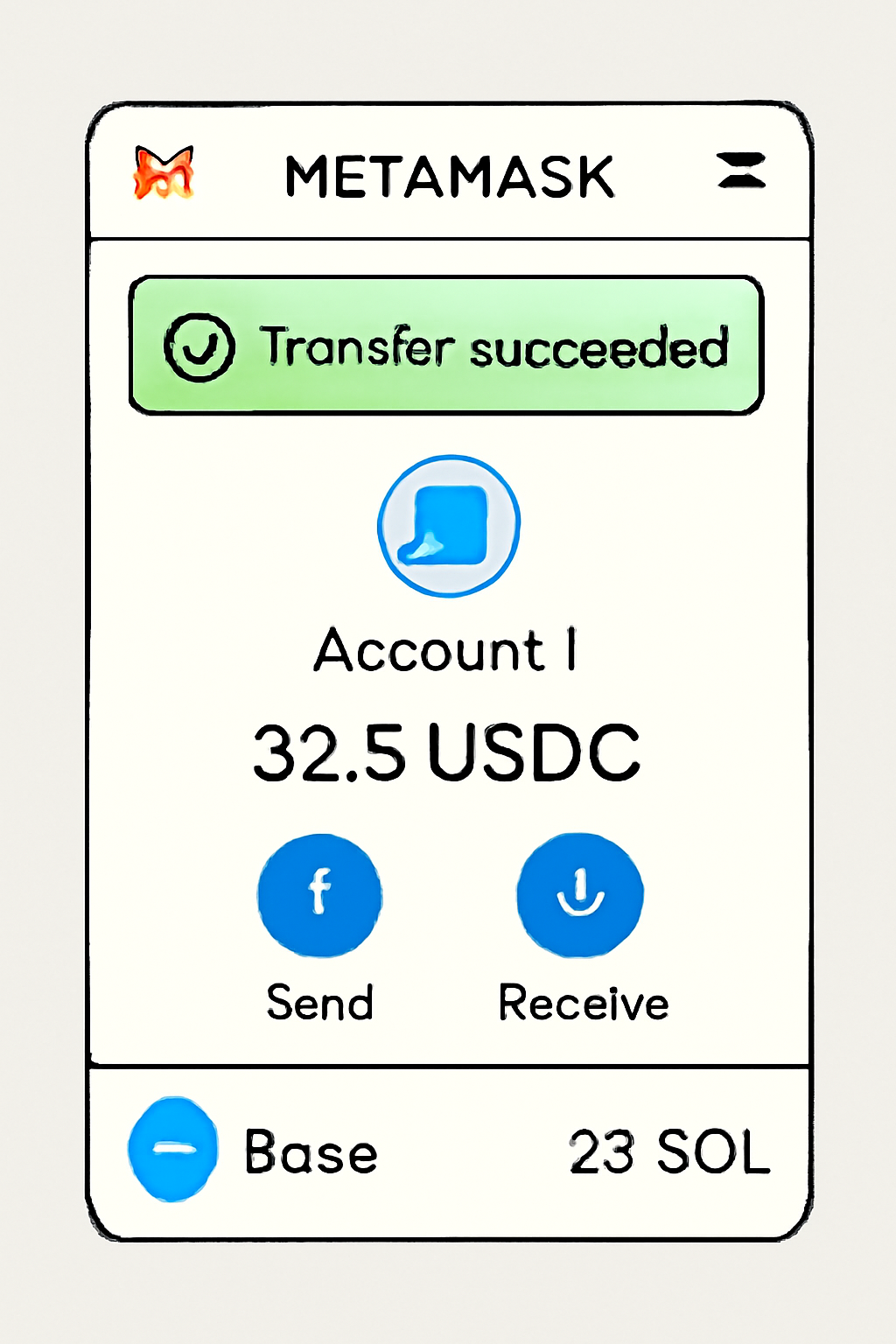
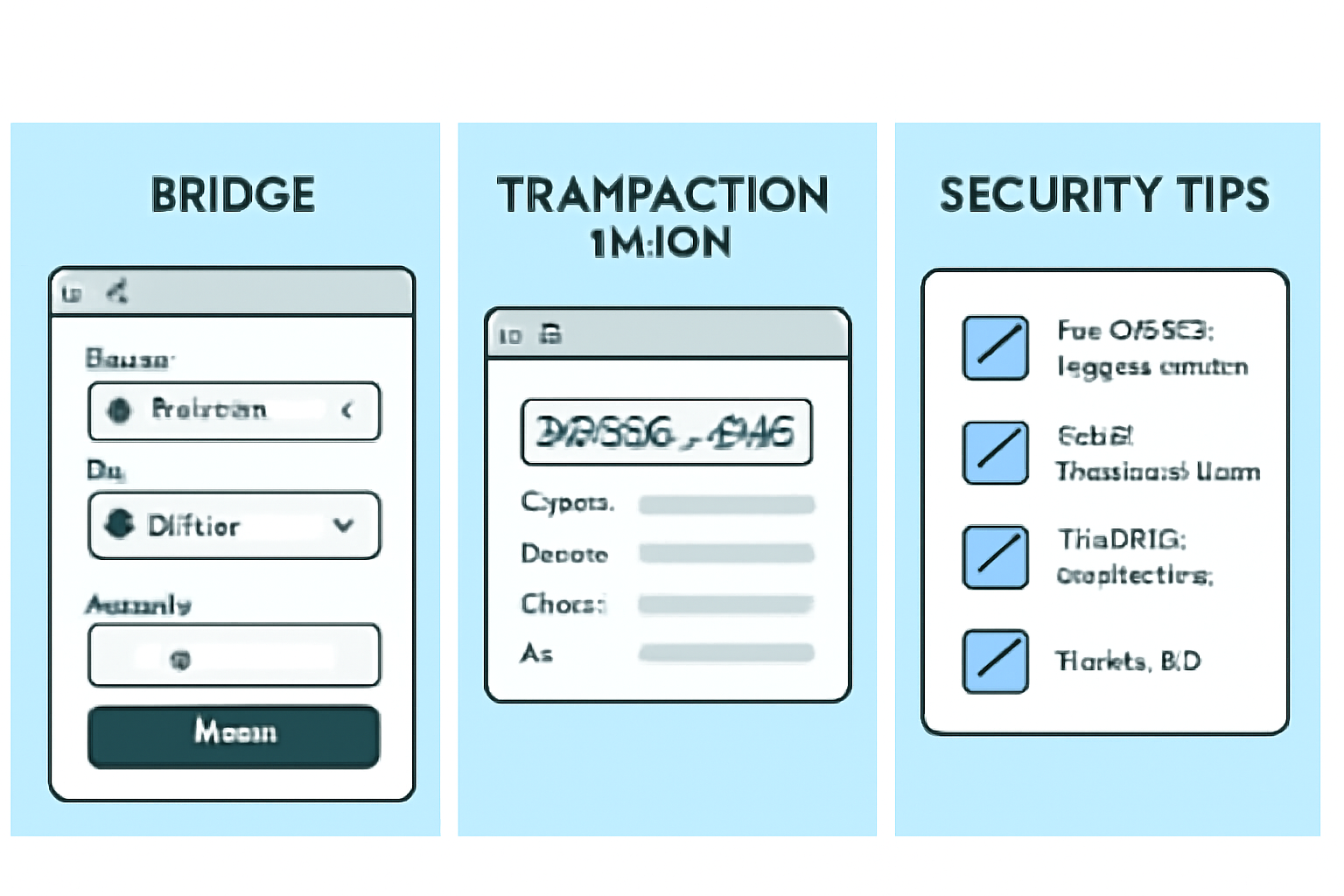
- Connect Your Wallets: Open the bridge platform of choice. Link your Phantom wallet on Solana and your MetaMask wallet configured for the Base network.
- Select Source and Destination Chains: Choose ‘Solana’ as your source chain and ‘Base’ as your destination chain within the UI.
- Select Asset and Amount: Pick which token you want to bridge (e. g. , USDC or SOL). Enter the desired transfer amount, double check decimals if moving SPL tokens other than USDC/SOL.
- Approve and Initiate Transfer: Confirm all details are correct before approving transactions in both wallets. The bridge will prompt you separately on each chain; do not close browser tabs until confirmation is received!
- Monitor Progress and Confirm Receipt: Most transfers complete within one minute under normal network conditions. Use built-in trackers to monitor status; once finalized, verify receipt in your MetaMask wallet under the correct asset tab on Base Chain.
Caveats: Costs, Security Risks and Best Practices
No cross-chain transfer is entirely risk-free. Each bridge charges its own flat fee (e. g. , deBridge at 0.001 ETH per transaction), plus network gas fees which fluctuate based on congestion levels, typically minimal on both Solana and Base compared to legacy L1s like Ethereum Mainnet. Always verify URLs directly via official documentation or trusted sources; phishing remains an ever-present threat in crypto UX flows.
For additional best practices, including how to set up wallets securely or optimize gas settings, refer to our extended tutorials at this dedicated guide.
For power users, consider the timing of your bridge transactions. Solana and Base gas fees are typically low, but during periods of volatility or major NFT/memecoin launches, network congestion can transiently spike costs or delay confirmations. Monitoring block explorers and bridge status dashboards before initiating large transfers is prudent. If you’re bridging uncommon SPL tokens, confirm compatibility with your destination wallet on Base, some assets may require custom token imports or contract verification.
| Bridge Platform | Supported Tokens | Average Fee | Estimated Time |
|---|---|---|---|
| deBridge | SOL, USDC, SPL | 0.001 ETH and gas | and lt;1 minute |
| Symbiosis WebApp | SOL, USDC, SPL (native) | Dynamic (low) | and lt;2 minutes |
| Allbridge | SOL, USDC, multiple SPLs | Varies (competitive) | and lt;3 minutes |
Security remains paramount. Only interact with bridges that have undergone rigorous audits and maintain transparent operational histories. In 2025, most leading bridges employ multi-signature validators and real-time monitoring to mitigate risk of exploits. Still, always double-check the bridge’s URL and never approve transactions from unsolicited DMs or pop-ups.
If you encounter issues, such as stuck transactions or delayed asset arrival, most bridges now offer integrated support chat or Discord channels for rapid troubleshooting. Additionally, reviewing recent user experiences on crypto Twitter can provide timely insights into current bridge performance and any emerging issues.
Advanced Tips for Efficient Cross-Chain Transfers in 2025
For those optimizing capital efficiency across ecosystems:
- If moving large sums ( and gt;$10,000), consider splitting transfers into smaller batches to minimize slippage risk and reduce exposure to potential bridge downtime.
- Monitor both Solana and Base network explorers for transaction confirmation rather than relying solely on the bridge UI.
- If bridging ERC-20 versions of tokens (e. g. , USDC), ensure you’re sending the correct variant compatible with your DeFi protocol of choice on Base.
- Bookmark official documentation for each bridge provider so you can quickly verify procedures as platforms update their UIs and supported assets.
The cross-chain landscape will continue to evolve rapidly as new protocols emerge and existing ones iterate on security models. By staying informed about best practices, and leveraging trusted bridges like deBridge, Symbiosis WebApp, and Allbridge, you can confidently execute transfers between Solana and Base Chain throughout the coming year.
If you want a visual walkthrough or need troubleshooting tips for specific tokens/assets, check out our comprehensive visual guide at this resource.




No comments yet. Be the first to share your thoughts!