Drone traffic management 2026 limits to account for
By 2026, the shift from voluntary drone coordination to mandatory traffic management systems marks a high-stakes transition in urban airspace. The Federal Aviation Administration defines Unmanned Aircraft System Traffic Management (UTM) as a collaborative ecosystem for safely managing low-altitude operations. This is no longer just about avoiding collisions; it is about integrating thousands of autonomous flights into controlled environments alongside manned aviation.
The core constraint driving this change is density. As drone deliveries and inspection fleets grow, manual oversight becomes impossible. Systems like Base Radar provide the necessary visibility to prevent airspace violations. Without these digital traffic lights, urban skies would quickly become chaotic and unsafe, forcing regulators to ground commercial operations entirely.
Current regulations are tightening to address these risks. Operators must now navigate complex geofencing requirements and real-time data sharing protocols. The 2026 landscape demands that every flight be tracked, logged, and approved before takeoff. This level of scrutiny ensures that drones do not pose a risk to people or property on the ground or in the air.
For businesses, compliance is no longer optional. The cost of non-compliance includes heavy fines and operational shutdowns. Understanding these constraints is the first step toward leveraging the efficiency of modern drone traffic management.
Drone traffic management 2026 choices that change the plan
The 2026 drone traffic management landscape is defined by a tension between rapid market expansion and fragmented regulatory infrastructure. As the global UTM market approaches a $2.65 billion valuation, stakeholders must weigh the benefits of interoperable data ecosystems against the risks of isolated, local governance models. Choosing the right management strategy requires evaluating latency, liability, and integration depth.
Interoperability vs. Local Control
Centralized UTM systems, supported by FAA guidelines, prioritize seamless data exchange between operators and air traffic services. This approach reduces mid-air collision risks by providing a unified view of low-altitude airspace. However, local governments often resist centralized control, citing sovereignty and data privacy concerns. The tradeoff here is efficiency versus autonomy; centralized systems offer speed and safety, while local models allow for tailored restrictions but risk creating data silos that hinder cross-border drone logistics.
Latency and Real-Time Processing
Base radar and similar tracking technologies rely on low-latency data transmission to function effectively in dense urban environments. A delay of even a few seconds can be catastrophic for autonomous delivery drones navigating between buildings. Providers must balance computational power with network bandwidth. High-fidelity tracking requires significant processing, which can introduce lag if not optimized. For mission-critical operations, the tradeoff is between resolution and reaction time; lower resolution tracking may be faster but less precise, potentially missing smaller obstacles.
Liability and Insurance Structures
As drone operations scale, insurance models are struggling to keep pace with new technologies. Traditional aviation insurance policies often exclude autonomous or semi-autonomous operations, forcing operators to seek specialized coverage. The cost of this coverage varies based on the UTM system’s track record. Systems with proven safety records and real-time intervention capabilities often offer lower premiums. The tradeoff is upfront technology investment versus long-term insurance savings; adopting a robust UTM solution may increase initial costs but significantly reduce liability exposure.
Market Volatility and Adoption Rates
The UTM sector is experiencing a high CAGR, but adoption rates vary wildly by region and use case. Urban delivery services are adopting UTM rapidly, while recreational and small-scale agricultural users lag behind. This disparity creates a fragmented market where interoperability standards are difficult to enforce. Investors and operators must consider whether to wait for standardization or adopt proprietary solutions that may become obsolete. The risk is investing in a system that lacks widespread industry support, limiting its utility as the market matures.
| Factor | Centralized UTM | Local Governance | Hybrid Model |
|---|---|---|---|
| Latency | Low | High | Medium |
| Liability | Shared | Local Entity | Split |
| Interoperability | High | Low | Medium |
| Data Privacy | Low | High | Medium |
How to Choose a Drone Traffic Management System
Selecting the right UAS Traffic Management (UTM) platform requires balancing regulatory compliance with operational scale. The Federal Aviation Administration defines UTM as a collaborative ecosystem for safely managing unmanned aircraft at low altitudes, but implementing it involves more than just buying software (FAA).
Use this five-step framework to evaluate providers and ensure your infrastructure supports the 2026 regulatory landscape.
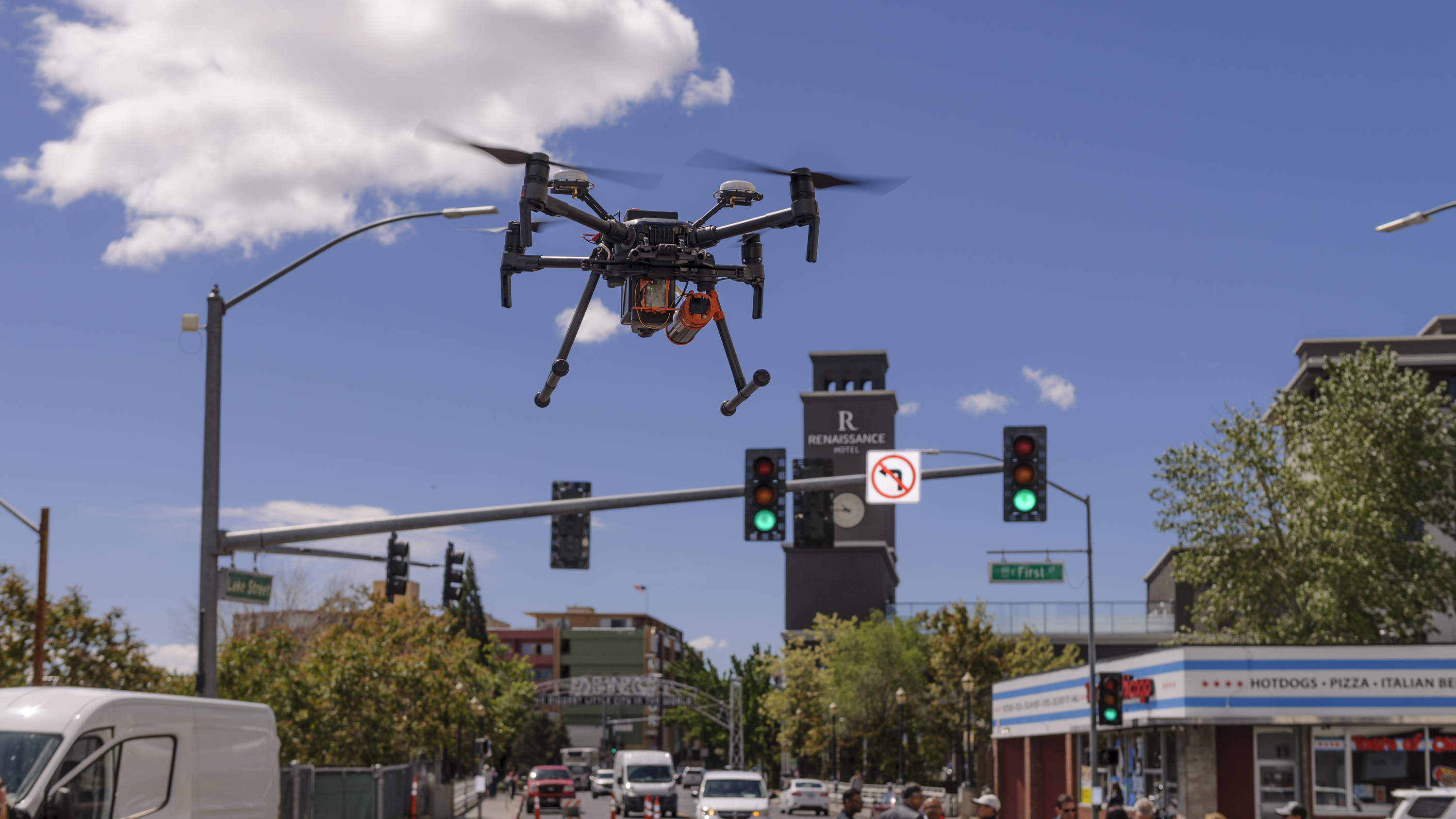
Your platform must interface directly with the FAA’s UAS Data Exchange (UDX) and the Remote ID network. If the system cannot broadcast or receive real-time location data required by Remote ID rules, it will fail basic compliance audits. Prioritize vendors with proven API connections to national airspace authorities.
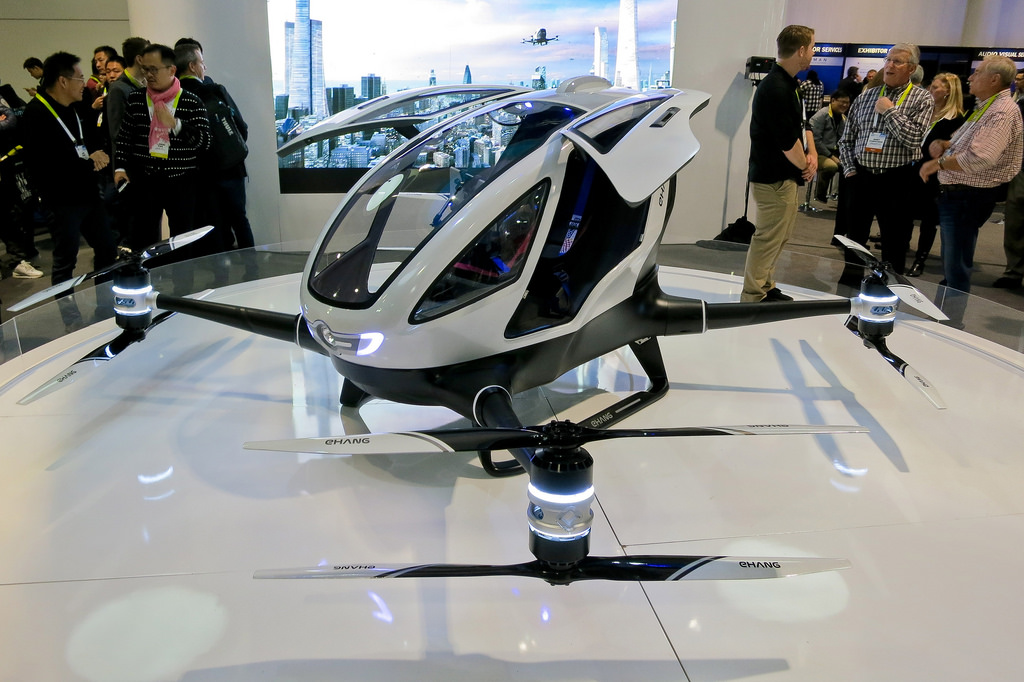
Base radar and similar sensors provide the physical layer for detecting non-cooperative drones. Ensure the system offers automated conflict detection and resolution alerts for both manned and unmanned aircraft. Look for geofencing features that adapt dynamically to temporary flight restrictions (TFRs) near airports or emergency zones.
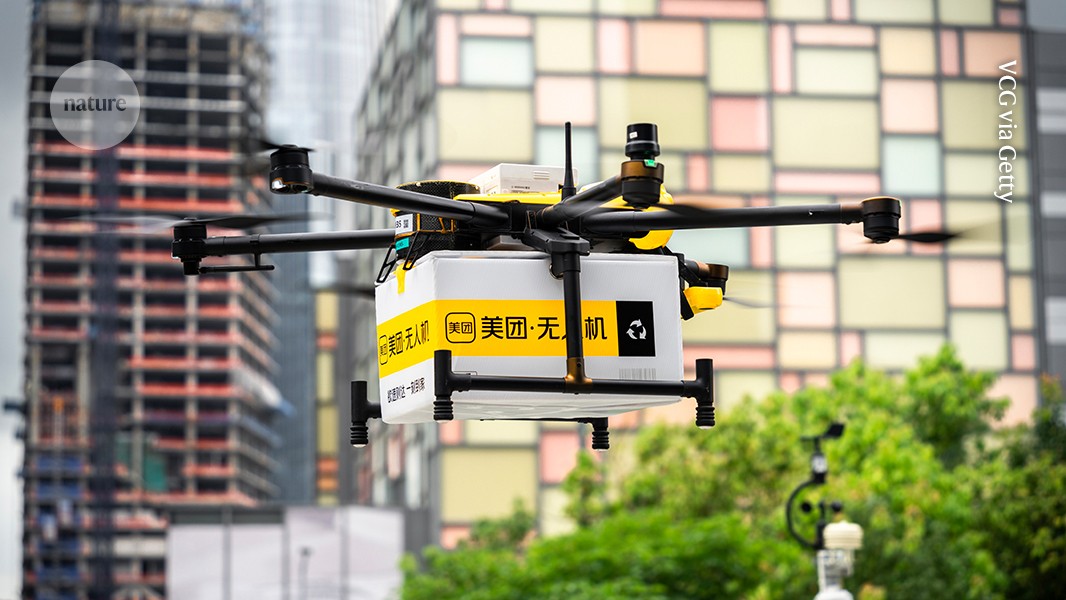
Urban environments require handling hundreds of simultaneous flight paths. Test the provider’s latency metrics under high-load simulations. A system that works for five drones in a field may collapse under the weight of fifty in a city center. Demand third-party stress test results, not just marketing claims.
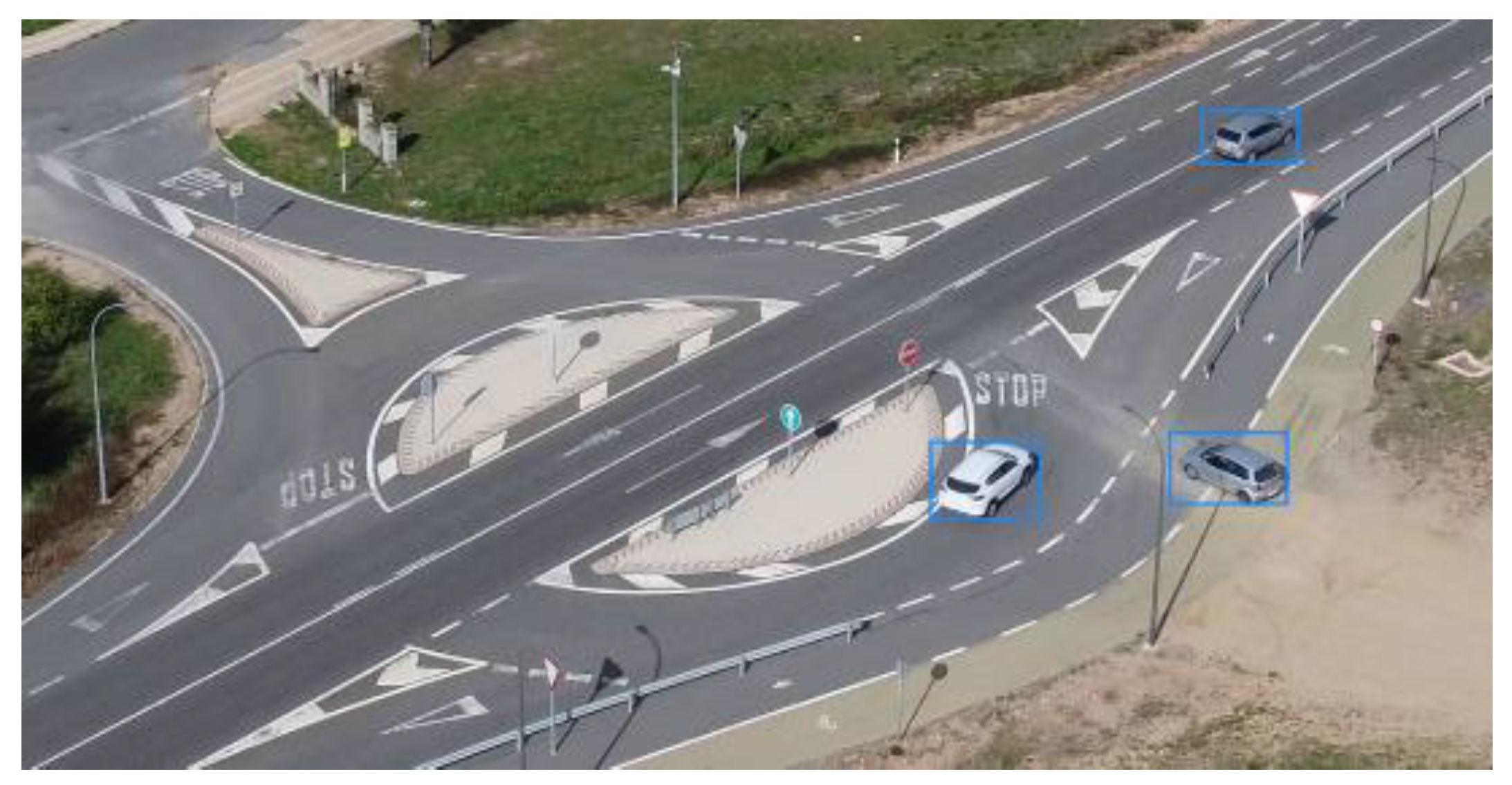
UTM systems collect sensitive flight data. Review the vendor’s data retention policies to ensure you own the telemetry logs. Avoid platforms that claim broad rights to anonymized flight data for resale, as this can create liability issues if that data is used to identify specific operators or routes.
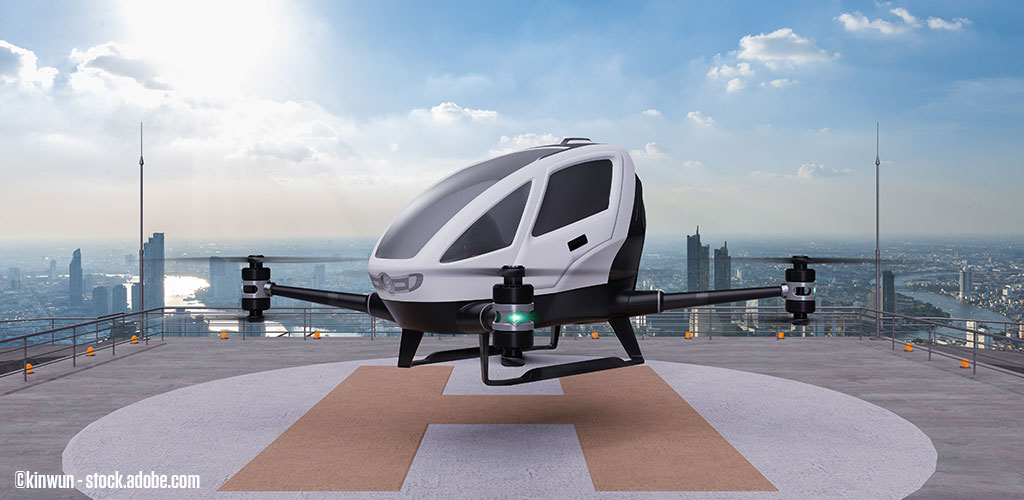
Look for providers with a track record of supporting FAA Part 107 waivers. Their technical support should include assistance with complex operational approvals. A vendor who understands the bureaucratic process saves months of trial-and-error during deployment.
Choosing the right partner turns regulatory hurdles into operational advantages. Focus on integration depth and real-world performance metrics to future-proof your drone fleet.
Spot the weak options in drone traffic management
The push for Base Radar and broader UTM integration is real, but the market is flooded with half-baked solutions. As the FAA defines UTM as a collaborative ecosystem for low-altitude safety, many vendors are selling features that don't actually integrate with that ecosystem. You need to look past the marketing gloss to find tools that truly manage risk on the ground and in the air.
The "See and Avoid" myth
Many consumer-grade drones still rely on pilot visual contact or basic optical sensors. This is not a traffic management system; it is a hobbyist tool. Relying on a pilot to spot another drone in a dense urban environment is a recipe for collision. True traffic management requires digital detection—radar, acoustic, or electro-optical systems—that work independently of human eyesight.
Vague compliance claims
Watch out for vendors claiming "FAA compliant" without specifying which part of the regulation they meet. Compliance with Part 107 is the baseline for operation, not the standard for traffic management infrastructure. A system that doesn't actively broadcast a drone's identity (Remote ID) in real-time to a central UTM server is not managing traffic; it is just logging data. Verify that the software integrates directly with LAANC or equivalent authorization networks.
Ignoring the controller bottleneck
A common mistake is assuming automation removes the need for human oversight. With air traffic controller staffing declining by 6% over the last decade while flight volumes rise, adding complex drone traffic without streamlined interfaces will overwhelm controllers. Choose systems that reduce cognitive load, not those that add more screens and alerts. If the interface doesn't prioritize critical alerts, it is a liability, not a solution.
No comments yet. Be the first to share your thoughts!