

Real estate ai trends in 2026
The conversation around real estate AI trends in 2026 has shifted from speculative hype to operational reality. Industry leaders no longer debate whether to adopt these tools but rather how to integrate them without disrupting existing workflows. According to PwC’s emerging trends report, AI is expected to strengthen operating platforms and enhance capacity across teams, rather than simply reducing headcount. This distinction matters for agents and investors who are evaluating their long-term strategy.
The most visible changes are in predictive analytics and listing generation. AI models now predict home prices with greater granularity by analyzing hyper-local data points, from school district shifts to micro-climate risks. Simultaneously, these tools draft property listings that are optimized for search visibility, saving agents hours of administrative work. Rentana notes that this quiet transformation is reshaping how the industry operates, allowing professionals to focus on high-value client interactions rather than data entry.
For the 2026 market, this means data-driven forecasting is becoming the standard. Agents who leverage these AI tools can offer more accurate valuations and faster market responses. The trend is not about replacing human judgment but augmenting it with real-time, AI-driven insights. As the market evolves, the ability to interpret these AI outputs will be the primary differentiator between successful and struggling practitioners.
Real estate ai trends choices that change the plan
Adopting AI in real estate is no longer about choosing between manual effort and automation. The decision now centers on which specific capabilities justify the cost and integration time for your particular workflow. PwC and ULI note that while AI is not yet reducing headcount, it is strengthening operating platforms and enhancing capacity across teams. This shift means the tradeoff is less about job replacement and more about skill redistribution.
The primary tension lies between predictive accuracy and operational friction. AI models can forecast home prices and draft listings with speed, but they require clean, structured data to function correctly. If your brokerage or agency relies on fragmented records, the initial investment in data hygiene often outweighs the immediate benefits of automation. You must evaluate whether your current infrastructure can support the continuous data flow these tools demand.
To help you weigh these factors, we’ve compared three common implementation approaches used in 2026. This breakdown highlights where AI adds the most value and where it might introduce unnecessary complexity to your daily operations.
| Approach | Upfront Cost | Staff Skill Gap | Best For |
|---|---|---|---|
| Standalone Listing Tools | Low | Low | Solo agents or small teams needing quick content generation |
| Integrated CRM AI | Medium | Medium | Brokerages wanting to automate lead scoring and follow-ups |
| Full Market Prediction Engines | High | High | Investors and large firms with dedicated data analysts |
Beyond software selection, you must consider the changing nature of client trust. AI-driven hyper-personalization allows you to tailor communications at scale, but it risks feeling impersonal if not carefully managed. The most successful professionals use these tools to handle the repetitive tasks—like initial qualification or market updates—so they can focus on the high-touch aspects of negotiation and relationship building. The goal is augmentation, not replacement.
The real estate sector itself is reflecting these shifts in market performance. As AI adoption accelerates, we are seeing a divergence between firms that leverage data for strategic advantage and those that continue to operate on legacy methods. Understanding these tradeoffs is essential for anyone looking to stay competitive in the 2026 market.
How to Choose the Right AI Real Estate Tools
AI is no longer just a buzzword in property markets; it is the engine behind accurate forecasting and operational efficiency. PwC notes that while AI isn't reducing headcount, it is strengthening operating platforms and enhancing capacity across teams. To leverage this, you need to select tools that align with specific market forecasting needs rather than adopting generic software.
1. Define Your Forecasting Scope
Start by identifying whether you need predictive analytics for pricing, demand forecasting for development, or automated valuation models (AVMs) for existing portfolios. AI-driven real estate data is most effective when applied to a specific niche. For instance, if you are tracking commercial leases, prioritize tools with strong commercial real estate (CRE) datasets over general residential ones.
2. Evaluate Data Integration Capabilities
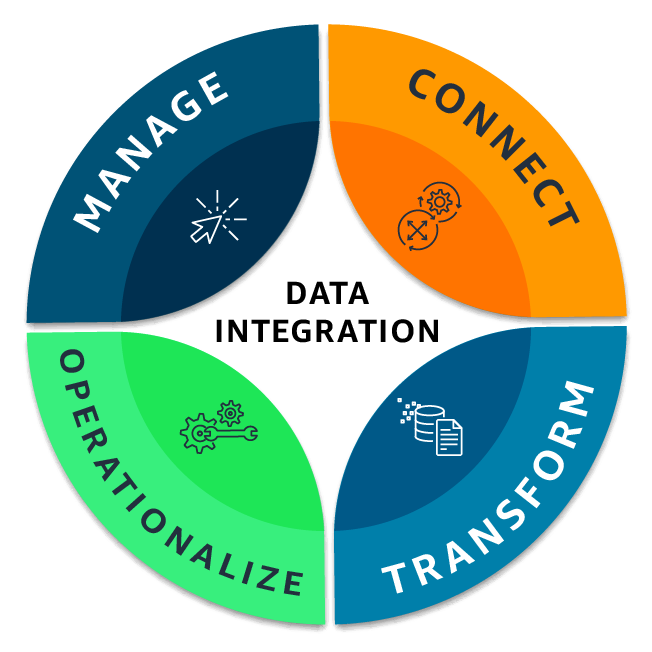
The quality of your forecast depends on the quality of your input. Ensure the platform can ingest local MLS data, public records, and economic indicators. Look for tools that offer API access to third-party data providers, allowing you to layer demographic shifts or zoning changes onto your predictive models. Seamless integration prevents data silos that lead to inaccurate market signals.
3. Assess User Interface and Adoption
Even the most sophisticated algorithm is useless if your team cannot interpret the output. Choose platforms with intuitive dashboards that explain the "why" behind a forecast, not just the result. PwC highlights that AI enhances capacity across teams; this only happens if the tool reduces friction rather than adding complexity. Prioritize solutions with strong customer support and training resources.
4. Compare Pricing and Scalability
AI tools vary widely in cost structure. Some charge per user, others per property or data query. Calculate the total cost of ownership based on your portfolio size. Ensure the tool scales with your growth; a solution that works for 10 properties may become prohibitively expensive or limited when managing 100. Look for transparent pricing without hidden fees for premium data sets.
5. Verify Security and Compliance
Real estate data often includes sensitive client information. Choose platforms that are compliant with data protection regulations like GDPR or CCPA. Check for SOC 2 Type II certification or similar security audits. Data breaches can destroy trust and incur significant fines, making security a non-negotiable factor in your decision framework.


As an Amazon Associate, we may earn from qualifying purchases.
Spotting the Weak Options
The promise of AI-driven real estate data often outpaces its actual utility, creating a landscape filled with misleading claims. Before adopting new tools, you need to separate genuine forecasting advantages from marketing fluff. Many platforms claim to predict market shifts with high precision, yet they rely on historical data that may not reflect current volatility. This section breaks down the common mistakes and weak options that can cost you time and money.
Overreliance on Automated Valuation Models
Automated Valuation Models (AVMs) are convenient but notoriously inaccurate for unique properties. They often fail to account for recent renovations, local micro-market trends, or structural issues. Relying solely on an AVM for pricing decisions is a common mistake. Experts recommend using AVMs only as a starting point, then validating with a comparative market analysis from a local agent. This hybrid approach ensures your pricing strategy is grounded in reality, not just algorithmic averages.
Ignoring Data Source Transparency
Many AI tools do not disclose their data sources, making it impossible to verify the accuracy of their forecasts. If a platform cannot explain where its data comes from, treat its predictions with skepticism. Legitimate providers cite official sources like MLS data, public records, or verified transaction histories. Always check the "About" or "Data Methodology" section of any tool you consider. Transparency is a strong indicator of reliability.
Confusing Correlation with Causation
AI models often identify patterns that look predictive but are actually coincidental. For example, a model might link rising interest rates to specific neighborhood demographics, ignoring the broader economic context. This leads to false confidence in forecasts. To avoid this, look for models that incorporate causal factors, such as local employment rates or infrastructure projects, rather than just historical price trends. Understanding the "why" behind a prediction is as important as the prediction itself.
The Hidden Cost of Subscription Fatigue
The real estate tech market is saturated with overlapping tools. Many agents subscribe to multiple AI platforms, paying for redundant features without gaining a competitive edge. Before investing, audit your current stack. Identify which specific tasks—like lead scoring or property description drafting—each tool performs. If two tools do the same thing, keep the one with better integration and user experience. Consolidating your tech stack saves money and reduces complexity.
When to Walk Away
Not all AI claims are worth pursuing. If a tool promises "guaranteed" sales or requires significant manual data entry to function, it is likely a weak option. The best AI tools augment your workflow, not replace it. They should save time and improve accuracy, not create new bottlenecks. Trust your instincts and prioritize tools that offer clear, measurable returns on investment.
Real estate ai trends 2026: what to check next
The market is shifting from experimental AI tools to integrated operating platforms. Here are the answers to the most common questions about how artificial intelligence is reshaping real estate forecasting and agency work in 2026.
No comments yet. Be the first to share your thoughts!