How much does a home energy audit cost in 2026?
The cost of a home energy audit varies significantly depending on who performs the assessment and whether you qualify for local utility incentives. For most homeowners, the price spectrum ranges from a minimal copay for utility-sponsored programs to several hundred dollars for independent, certified professionals.
Utility-sponsored audits
Many utility companies offer home energy audits at heavily subsidized rates to encourage efficiency upgrades. These programs often cover the majority of the cost, leaving the homeowner with a small copay or no cost at all if income-qualified.
For example, Connecticut’s Home Energy Solutions program requires a $40 copay for the initial visit as of April 1, 2026. In many other regions, income-qualified households can receive comprehensive audits—and even the recommended improvements—for free. You should contact your state energy office or local utility provider to check specific eligibility criteria and available rebates.
Professional third-party audits
If you need a detailed assessment for real estate transactions, specific comfort issues, or want an unbiased opinion outside of utility recommendations, a third-party audit is the standard. These are performed by certified energy auditors using advanced diagnostic tools like blower doors and thermal imaging cameras.
Paid professional audits typically range from $300 to $600. The price depends on the home's size, the complexity of the assessment, and the geographic location. While this requires an upfront investment, these audits provide a comprehensive report that can help you prioritize the most cost-effective improvements, often yielding a return on investment through reduced energy bills.
DIY assessment
A DIY energy audit is the lowest-cost option, requiring only your time and perhaps $20–$50 for basic tools like a thermal leak detector or draft gauge. While this can help you spot obvious issues like drafts around windows or doors, it lacks the diagnostic precision of professional equipment. It serves as a good preliminary step, but for a complete picture of your home’s energy performance, a professional or utility-sponsored audit is necessary.
free utility assessments vs. paid professional audits
Choosing between a utility-sponsored assessment and a paid professional audit depends on your budget and the complexity of your home’s energy issues. Utility assessments are designed to be an accessible first step, often subsidized or fully covered by your electric or gas provider. In contrast, professional audits are comprehensive diagnostic services performed by certified energy raters who use specialized equipment to pinpoint hidden inefficiencies.
what a utility assessment includes
Most utility programs offer a basic evaluation that focuses on visible issues and low-cost fixes. An energy specialist typically visits your home to inspect insulation levels, check for air leaks around windows and doors, and review your HVAC system. They often install no-cost improvements like LED bulbs, low-flow showerheads, and faucet aerators during the visit.
The outcome is usually a simplified report highlighting immediate actions you can take to lower your energy bill. While these assessments are valuable for quick wins, they rarely include advanced diagnostics. You generally won’t see blower door tests or thermal imaging scans, meaning hidden problems like duct leaks in unconditioned spaces may remain undetected.
what a professional audit includes
A professional home energy audit, often called a Level 2 or Level 3 audit, provides a deep dive into your home’s performance. Certified auditors use a blower door test to measure the overall airtightness of your home and identify specific leakage points with smoke pencils or infrared cameras. They also assess combustion safety to ensure appliances like furnaces and water heaters are venting properly.
The result is a detailed roadmap for upgrades, often including cost-benefit analyses for each recommendation. This type of audit is essential if you plan major renovations, have persistent comfort issues, or want to qualify for specific green building certifications. The cost ranges widely, typically between $300 and $600, depending on the home’s size and the auditor’s credentials.
comparing the two options
Use the comparison below to decide which service aligns with your needs. If you are looking for immediate, low-cost improvements and have a standard home, the utility assessment is often sufficient. For older homes, those with moisture problems, or anyone seeking maximum efficiency, the professional audit offers the technical depth required for significant savings.
Calculate your potential energy savings
Estimating the return on your home energy audit starts with a simple baseline. Your current energy bills and home characteristics dictate how much room there is for improvement. A well-insulated, newer home has less waste to capture than an older, drafty property.
Use the calculator below to project your annual savings. It estimates the difference between your current spending and what you might pay after implementing the top recommendations from a professional audit. This figure represents the immediate cash flow impact before accounting for any local rebates.
This estimate assumes a standard set of improvements: sealing air leaks, adding attic insulation, and upgrading to efficient lighting. The actual savings vary based on your local climate and specific HVAC efficiency. For a precise breakdown, pair this estimate with a professional blower door test.
Common problems found during a 2026 audit
A home energy audit acts like a diagnostic scan, revealing exactly where your house leaks money. Auditors don't just guess; they use tools like blower doors and infrared cameras to locate specific inefficiencies that drive up utility bills. Identifying these issues upfront helps you prioritize fixes that offer the best return on investment, rather than spending money on upgrades that barely move the needle.
Air leaks and drafts
The most common and costly issue is unsealed air leakage. Auditors look for gaps around windows, doors, electrical outlets, and where the foundation meets the framing. Even small cracks can allow conditioned air to escape, forcing your HVAC system to work harder. Sealing these leaks with caulk or weatherstripping is often the cheapest and fastest way to improve comfort and lower heating and cooling costs.
Insulation gaps
Insulation is your home's thermal blanket, but it's often installed poorly or settles over time. Auditors check attics, walls, and crawl spaces to see if the R-value meets current standards. Missing batts, compressed insulation, or voids around pipes create thermal bridges that let heat escape in winter and enter in summer. Top-level insulation in the attic is usually the highest-impact upgrade, often paying for itself within a few years through reduced energy bills.
HVAC inefficiency
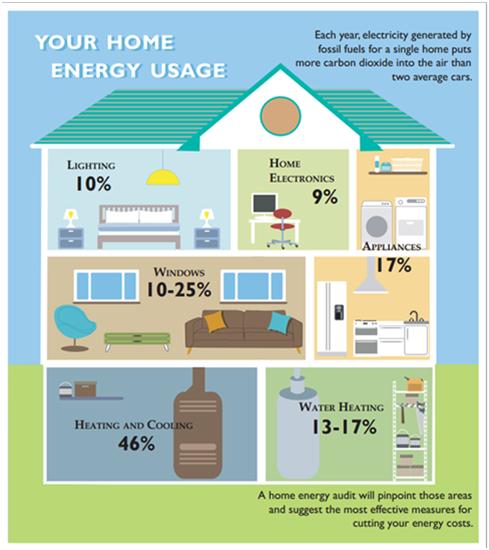
Heating and cooling systems account for nearly half of a home's energy use. Auditors evaluate the age, size, and condition of furnaces, heat pumps, and air conditioners. They also check ductwork for leaks or poor insulation, which can waste significant energy before it ever reaches your living spaces. Replacing an old, inefficient unit or sealing ducts can drastically cut energy consumption, especially when combined with utility rebates.
Steps to schedule your home energy audit
Start by checking your utility provider’s website. Many electric and gas companies offer free or heavily subsidized home energy audits as part of their efficiency programs. For example, Eversource in Massachusetts provides a Home Energy Assessment where an Energy Specialist evaluates your property and installs no-cost improvements. Entergy Arkansas’s Home Energy Solutions program offers similar assessments for homes that are at least 10 years old or have peak bills exceeding $0.10 per square foot. These programs often cover the full cost, making it the most cost-effective first step.
Before calling, gather your recent energy bills. Having 12 months of usage data helps the auditor identify seasonal patterns and baseline consumption. This information allows for a more accurate diagnosis of where your home is losing energy. If you have specific concerns, such as drafts in certain rooms or high humidity, note them down to discuss during the appointment.
When scheduling, ask about the scope of the audit. A standard audit typically includes a blower door test, thermal imaging, and an inspection of insulation and HVAC systems. Confirm whether the provider will seal minor air leaks on-site or if those repairs are billed separately. Most utility-sponsored audits include basic sealing, which can provide immediate savings without additional upfront costs.
Prepare your home by clearing access to key areas. The auditor will need to inspect the attic, basement, crawl spaces, and utility rooms. Move boxes, stored items, or furniture blocking these spaces beforehand. Ensure that pets are secured, as they can distract the auditor or pose safety risks during the inspection. Being prepared ensures the audit is thorough and completed within the estimated timeframe.
Frequently asked questions about audit costs
Is a home energy audit worth the cost?
For most homeowners, the answer is yes, provided you leverage utility programs. A standard audit costs $300–$500, but many utilities offer it for free or at a steep discount. The ROI comes from the specific retrofit recommendations that lower your monthly bills, often paying for the audit itself within the first year.
Do I need an audit before installing solar?
Not legally, but it is financially smart. Installing solar on a drafty, inefficient home means you are paying for capacity you don’t need. An audit identifies low-cost fixes like sealing leaks or adding insulation, which reduces your overall energy load and allows you to size a smaller, cheaper solar system.
How long does a home energy audit take?
A thorough audit typically takes two to four hours. This includes a blower door test, thermal imaging, and a review of your utility bills. The specialist will also inspect your HVAC systems and insulation. You do not need to be present for the entire duration, but you should be there to discuss initial findings.
What if I will not afford the audit fee?
Income-qualified households often qualify for free comprehensive audits and even free improvements. Programs like Connecticut’s Home Energy Solutions or Pearl Score’s initiatives provide these services at no cost to eligible residents. Contact your state energy office to check eligibility.
No comments yet. Be the first to share your thoughts!