2026 compliance deadline arrives
The regulatory landscape for artificial intelligence is shifting from voluntary guidelines to mandatory legal obligations. The European Union’s AI Act, which entered into force on 1 August 2024, will be fully applicable on 2 August 2026. This two-year transition period allows organizations to adapt their systems, but the deadline marks the point where non-compliance carries significant financial and legal risks, including fines of up to 7% of global annual turnover.
This enforcement date is not isolated to Europe. As the EU sets the de facto global standard, other jurisdictions are aligning their frameworks. For instance, California’s AB 2169 amends the CCPA to require AI model deployers to respond to consumer data requests within five business days, while India’s Maharashtra state has introduced its own AI Policy-2026 to boost industry governance. These parallel moves indicate that 2026 is the year AI governance becomes a core operational requirement rather than an optional best practice.
The shift from innovation to compliance requires immediate action. Organizations using public AI tools for client work without human-in-the-loop verification now face clear ethical and legal violations. To prepare, legal and compliance teams must audit their AI systems against the EU’s risk categories and ensure that data handling practices meet the new statutory requirements.
European Commission: AI Act Regulatory Framework
Baker Donelson: 2026 AI Legal Forecast
High-risk categories and industry impact
The EU AI Act draws a sharp line between acceptable risk and prohibited or high-risk applications, forcing specific sectors to overhaul their data governance. In 2026, the strictest scrutiny falls on industries where AI decisions directly affect civil liberties, safety, or fundamental rights. Companies in these sectors must implement rigorous transparency, human oversight, and data quality controls before deployment.
Healthcare and medical devices face the most immediate compliance hurdles. AI systems used for diagnosing diseases, predicting patient outcomes, or managing clinical trials are classified as high-risk. This classification requires manufacturers to maintain detailed technical documentation, ensure robust data sets free from bias, and provide clear information to healthcare professionals. The European Commission emphasizes that any AI acting as a medical device must undergo strict conformity assessments.
Law enforcement and border control represent another critical tier. AI tools used for risk assessment in migration, polygraph-like systems, or predictive policing are subject to intense legal scrutiny. The EU AI Act mandates that these systems be used only for specific, serious crimes and require explicit authorization. This limits the broad use of biometric identification in public spaces and ensures that law enforcement agencies justify every automated decision with human review.
Financial services and critical infrastructure also navigate a complex regulatory landscape. Credit scoring algorithms and fraud detection systems must demonstrate fairness and explainability to regulators. The financial sector must prepare for cross-border compliance challenges as global standards shift, requiring general counsels to align internal governance with both EU mandates and local state laws like California’s AB 2169.
The market response to these regulations is already visible. As compliance costs rise, the valuation of AI infrastructure companies reflects the heavy burden of regulatory adherence. Investors are closely watching how these firms manage the transition from development to compliant deployment.
Base Radar governance features
Compliance is no longer a static checklist; it is a continuous flow of data. Base Radar was built to map directly onto the operational demands of the EU AI Act and emerging state-level mandates. Instead of treating governance as a backward-looking audit, the platform integrates monitoring, reporting, and risk assessment into a single, coherent workflow. This structure ensures that legal requirements are met in real time, rather than being reconstructed after a regulatory inquiry.
Continuous risk assessment
The EU AI Act classifies systems by risk level, requiring dynamic evaluation as models evolve. Base Radar automates this assessment by continuously scanning model inputs and outputs against predefined risk thresholds. This eliminates the need for manual, periodic reviews that often miss subtle drifts in behavior. The system flags high-risk deviations immediately, allowing legal teams to intervene before a violation occurs. This proactive stance is essential for maintaining compliance as AI systems adapt to new data.
Automated monitoring and reporting
Manual tracking of compliance metrics is prone to error and difficult to scale. Base Radar replaces fragmented spreadsheets with automated monitoring dashboards that capture audit trails, data lineage, and decision logs. These reports are generated on demand, ensuring that organizations can produce the necessary documentation for regulators or internal audits within minutes. The platform’s ability to aggregate data from multiple sources provides a unified view of compliance status, reducing the administrative burden on legal and compliance teams.
Bridging the gap between law and code
The complexity of AI governance lies in translating legal text into technical controls. Base Radar acts as the bridge between these two worlds. By mapping specific regulatory clauses to technical features, the platform ensures that compliance is embedded in the development lifecycle. This approach not only satisfies the letter of the law but also strengthens the overall integrity of AI systems. As global regulations continue to shift, this adaptable framework provides a stable foundation for responsible AI deployment.
Manual tracking vs. automated monitoring
| Feature | Manual Compliance Tracking | Base Radar Automated Monitoring |
|---|---|---|
| Audit Speed | Days to weeks | Real-time |
| Error Rate | High (human error) | Low (automated validation) |
| Scalability | Limited by staff | Infinite |
| Data Aggregation | Siloed and fragmented | Unified and centralized |
The shift from manual to automated processes is not just about efficiency; it is about accuracy. Manual methods struggle to keep pace with the volume and velocity of AI-driven decisions. Base Radar’s automated approach ensures that every decision is traceable and compliant, providing a level of assurance that manual methods cannot match.
Operationalizing AI Governance
Compliance teams must move from theoretical frameworks to auditable workflows before the 2026 deadlines. This workflow outlines how to implement an AI governance strategy using Base Radar to track compliance artifacts, risk classifications, and control efficacy across your organization.
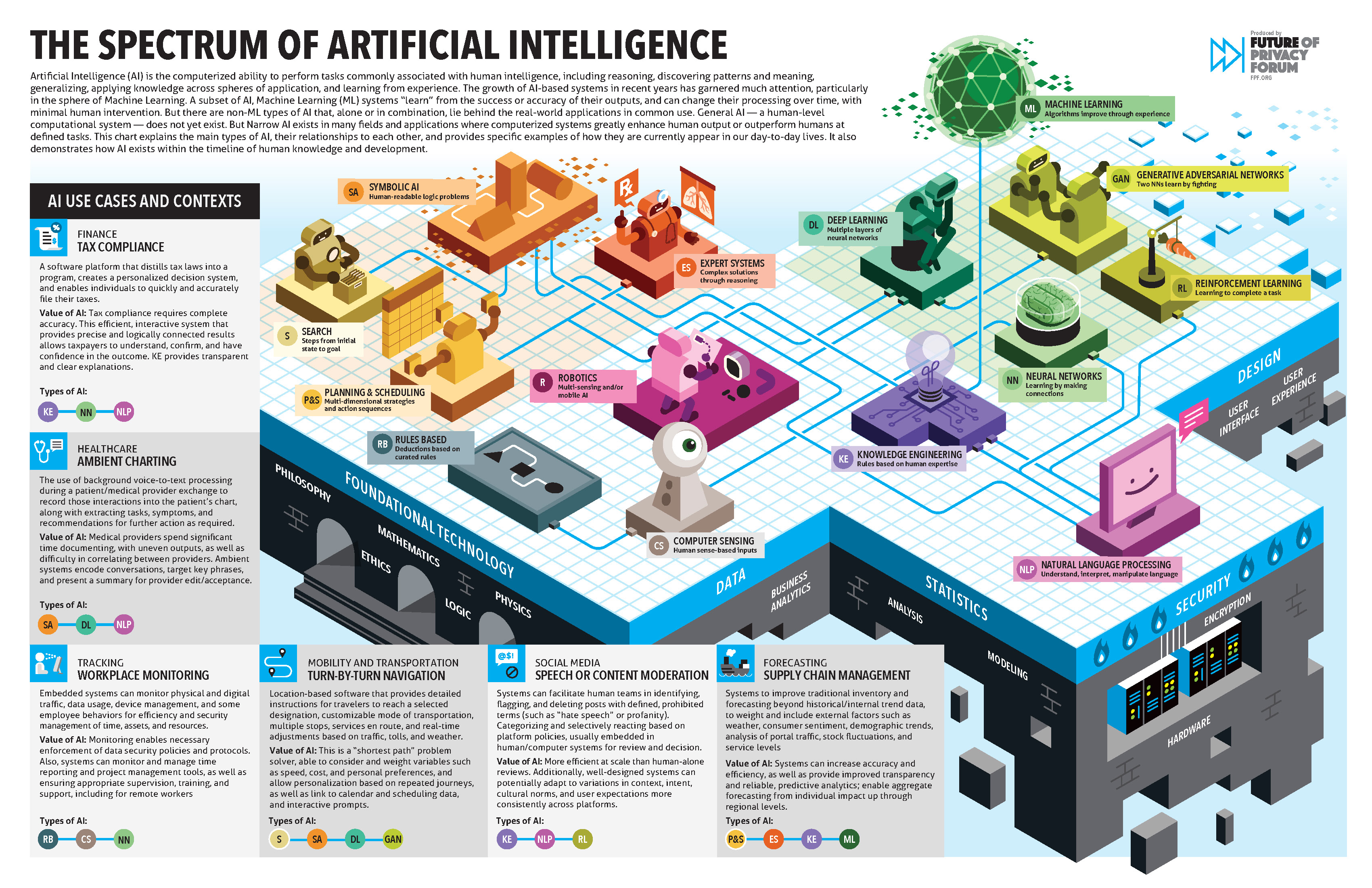
Begin by cataloging every AI model in production. Base Radar ingests your system registry to map each application against the EU’s risk categories. This step is critical for identifying high-risk systems that require conformity assessments before deployment.
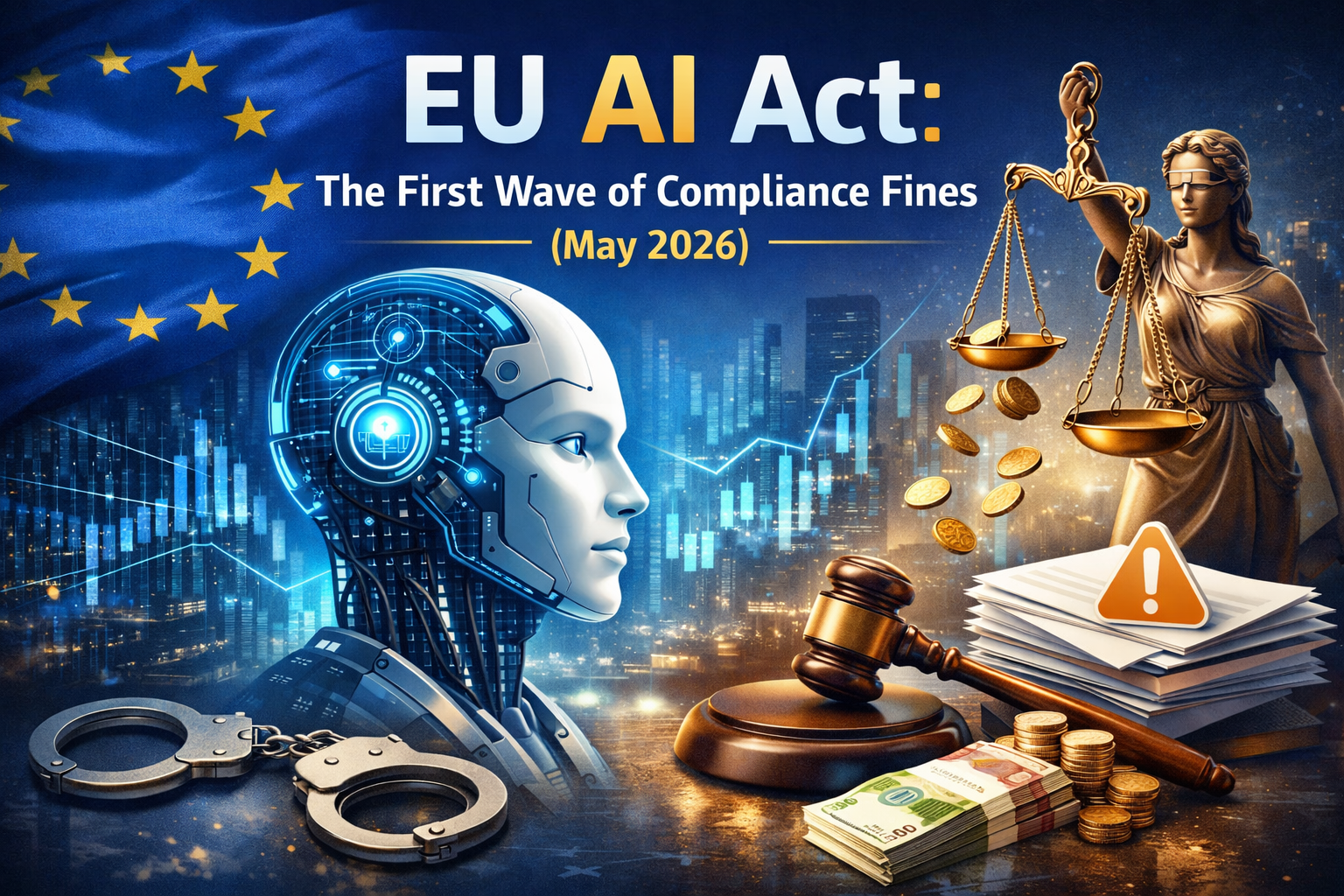
Link specific technical controls to regulatory obligations. For each high-risk system, document data governance, human oversight mechanisms, and transparency measures. Base Radar ensures these controls are traceable to specific articles in the EU AI Act or relevant state legislation, creating an audit-ready evidence trail.

Compliance is not a one-time event. Use Base Radar to monitor model drift and data integrity in real-time. Automated alerts flag deviations from your approved risk thresholds, allowing legal teams to intervene before a violation occurs. This proactive monitoring reduces liability and supports ongoing regulatory reporting.
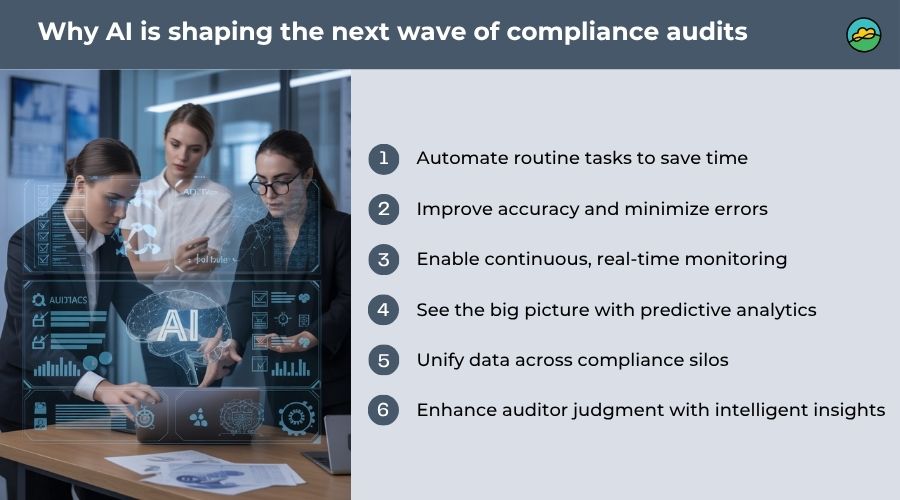
Generate compliance reports directly from Base Radar’s dashboard. These reports consolidate evidence of risk mitigation, control efficacy, and incident response for regulators. By standardizing this output, legal teams can efficiently respond to audits from the EU Commission or state attorneys general.
This structured approach transforms abstract legal requirements into manageable operational tasks, ensuring your organization remains compliant as global AI regulations evolve.
Common questions about AI regulation
The regulatory landscape in 2026 is defined by specific statutory amendments rather than broad, vague guidelines. Understanding these changes is essential for maintaining legal standing.
What is the exact deadline for full compliance? The EU AI Act enters full application on 2 August 2026. While some prohibitions apply earlier, the majority of high-risk obligations require full compliance by this date.
How does the EU AI Act affect non-EU companies? The regulation applies extraterritorially. If you offer AI systems or services in the EU market, or if your AI models output is used within the EU, you must comply regardless of where your company is headquartered.
What are the fines for non-compliance? Fines are tiered based on the violation. Prohibited AI practices can incur fines up to €35 million or 7% of total worldwide annual turnover, whichever is higher. Other violations carry lower caps, such as 3% for failure to comply with governance obligations for high-risk systems.
No comments yet. Be the first to share your thoughts!