
Bridging Ethereum (ETH) to the Base chain has become a streamlined and cost-efficient process in 2025, empowering users to tap into Base’s high-speed, low-fee infrastructure. With ETH trading at $3,209.58 as of today, the demand for efficient cross-chain transfers has never been higher. Whether you’re seeking exposure to Base-native DeFi protocols or aiming for potential airdrops, understanding how to bridge ETH safely and quickly is essential.
Why Bridge ETH to Base Chain in 2025?
The Base chain has emerged as one of Ethereum’s most robust Layer-2 solutions, offering transaction fees significantly lower than mainnet and confirmation times measured in seconds. This makes it attractive for both retail users and institutions looking to minimize costs without sacrificing security. As more dApps migrate or launch exclusively on Base, bridging ETH is no longer optional for active market participants.
Key advantages of bridging to Base:
- Lower transaction fees compared to Ethereum mainnet
- Faster settlement, often under five minutes
- Access to exclusive Base-native tokens and early-stage projects
- Potential eligibility for future airdrops or network incentives
The Current State of ETH Bridging: Fees, Speed and Security
The process of moving assets between chains has matured rapidly. In 2025, leading bridges such as Superbridge, Orbiter Finance, and Stargate dominate the landscape by providing fast confirmations and transparent fee structures. Most services now aggregate liquidity across multiple routes, ensuring users get the best rates with minimal slippage.
Security remains paramount. Opt for bridges that leverage audited smart contracts and have established reputations within the community. Always verify URLs directly from official sources before connecting your wallet.
Step-by-Step Guide: How to Bridge ETH to Base Chain (2025 Edition)
If you’re ready to bridge your ETH from Ethereum mainnet (or another compatible chain) over to Base, follow these precise steps:
Bridge ETH from Ethereum to Base with MetaMask & Superbridge: A Visual Guide (2025)
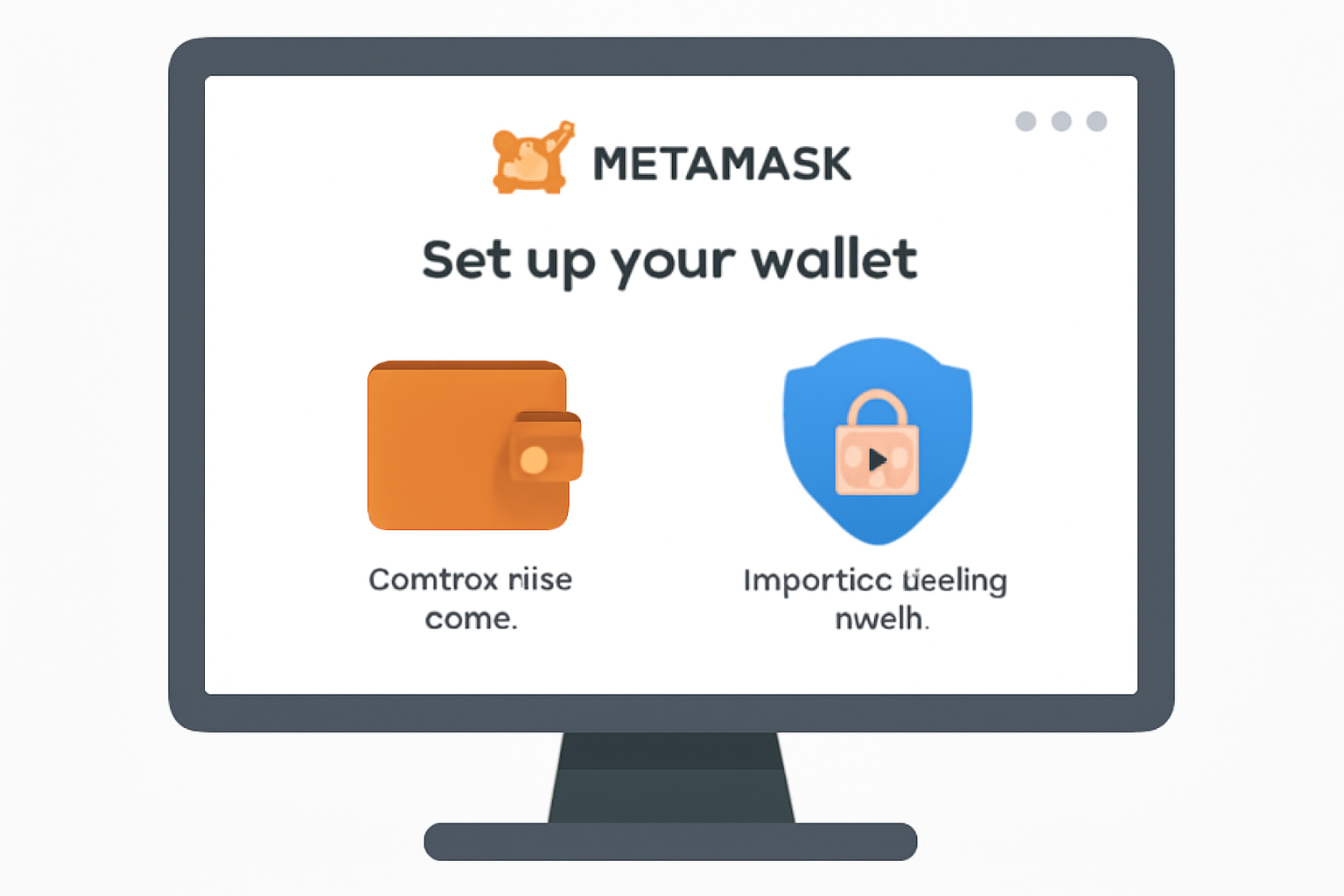
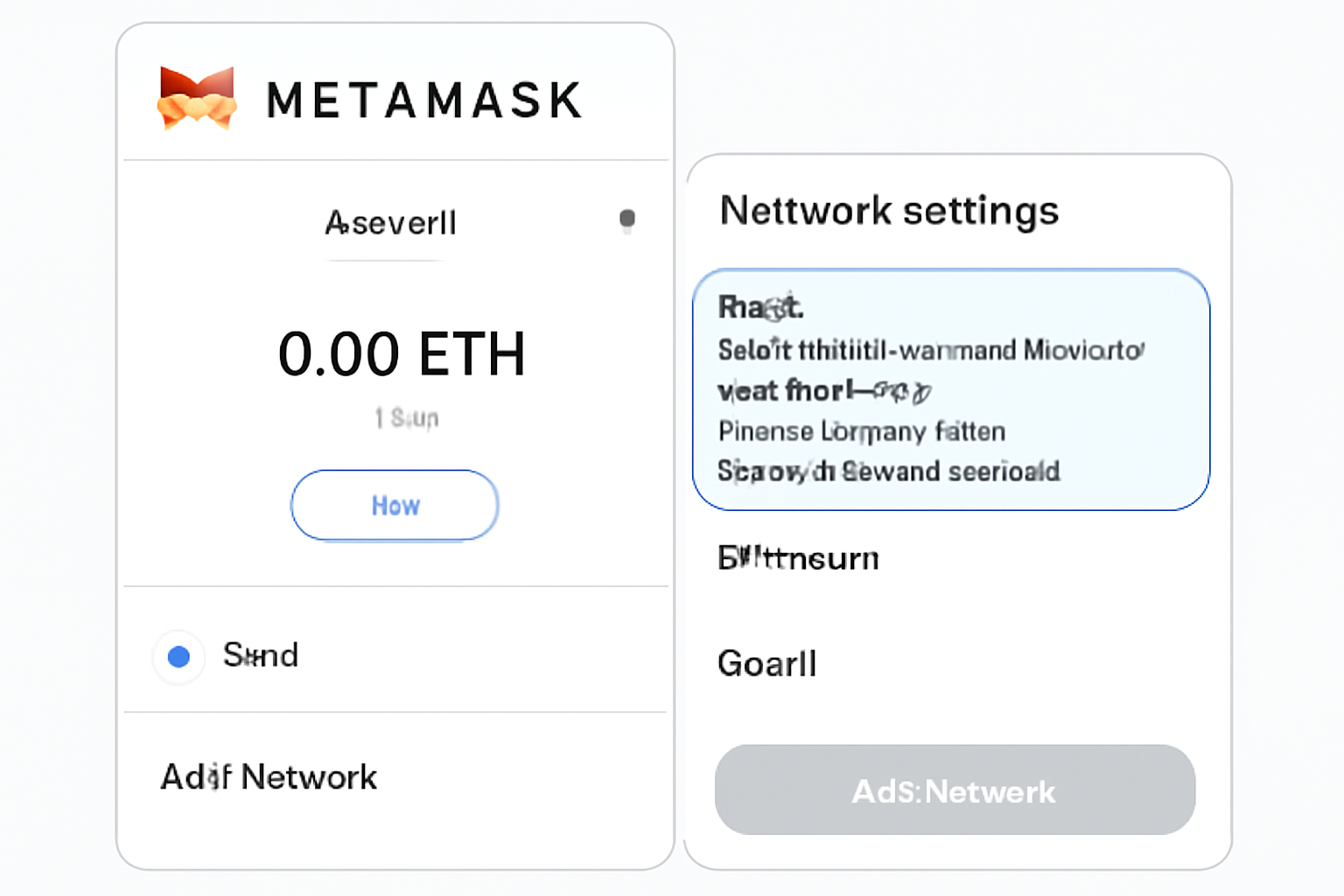
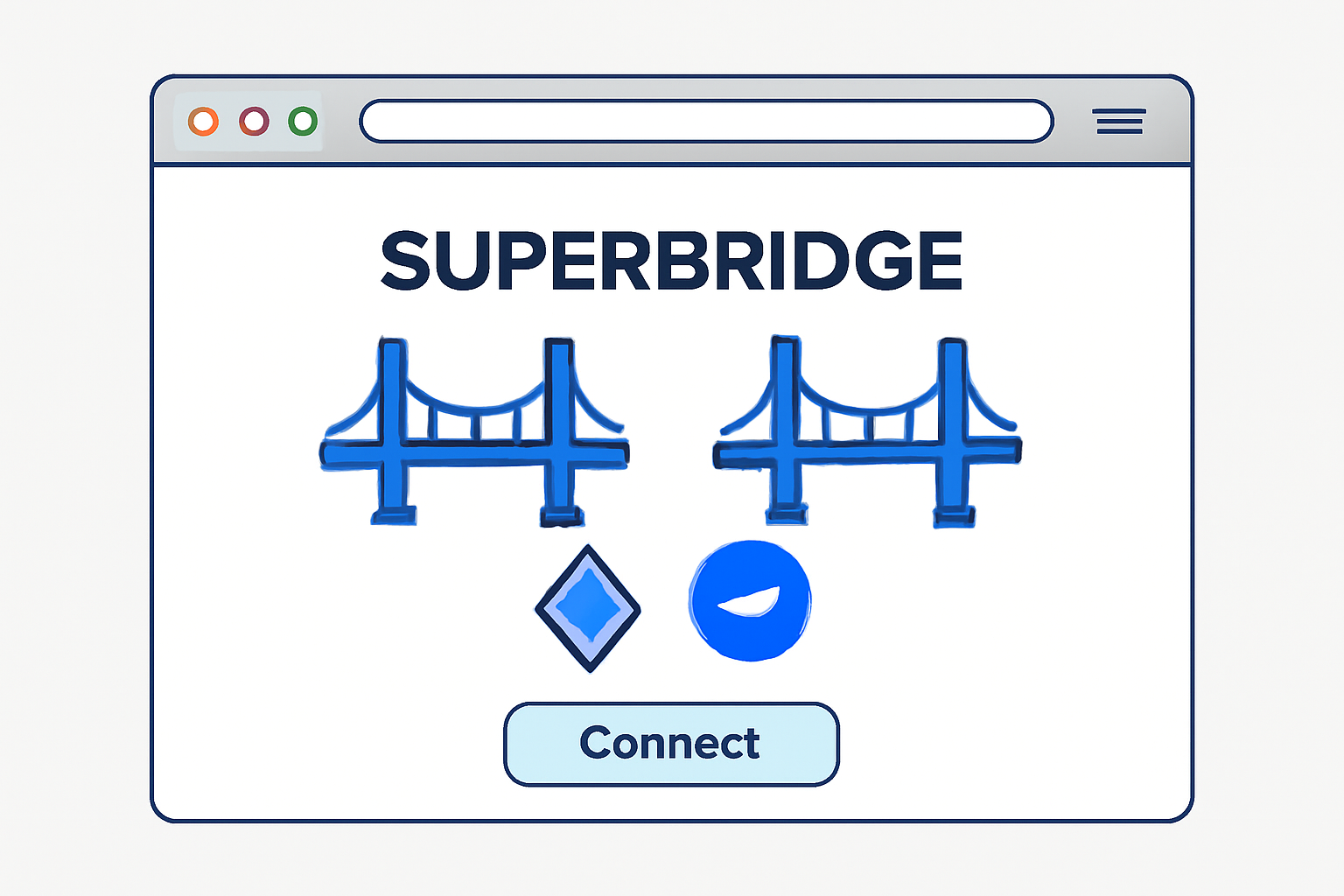

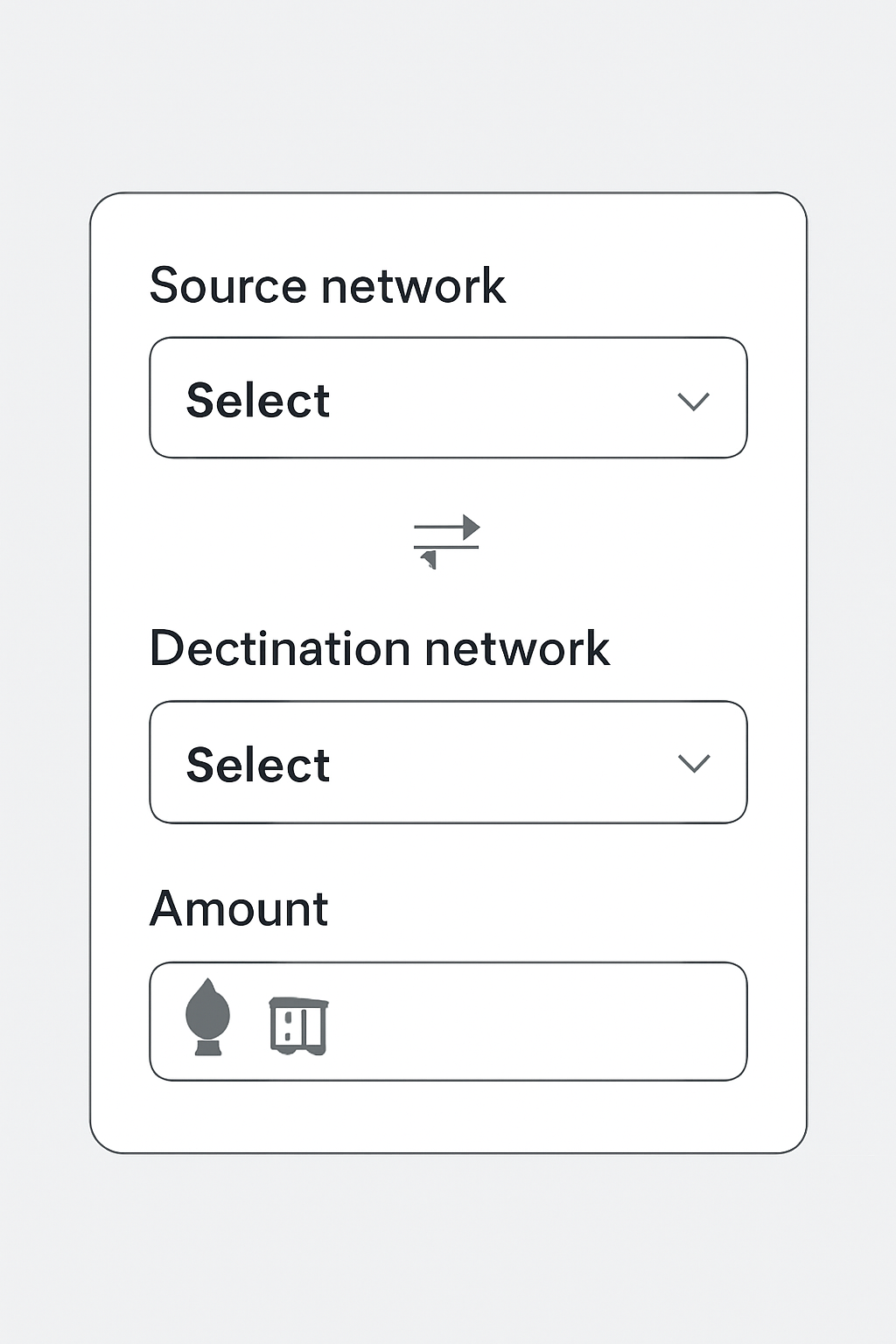
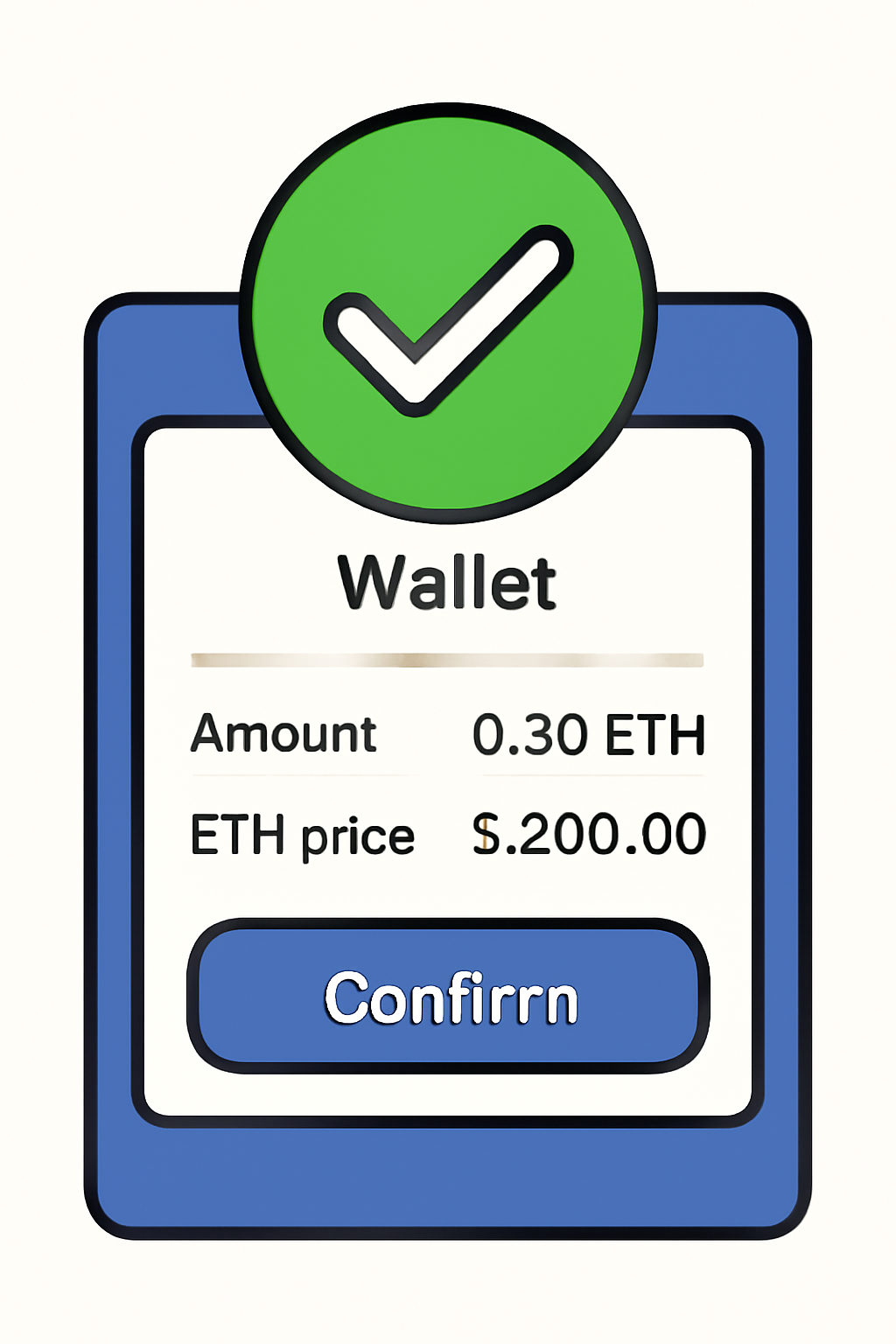
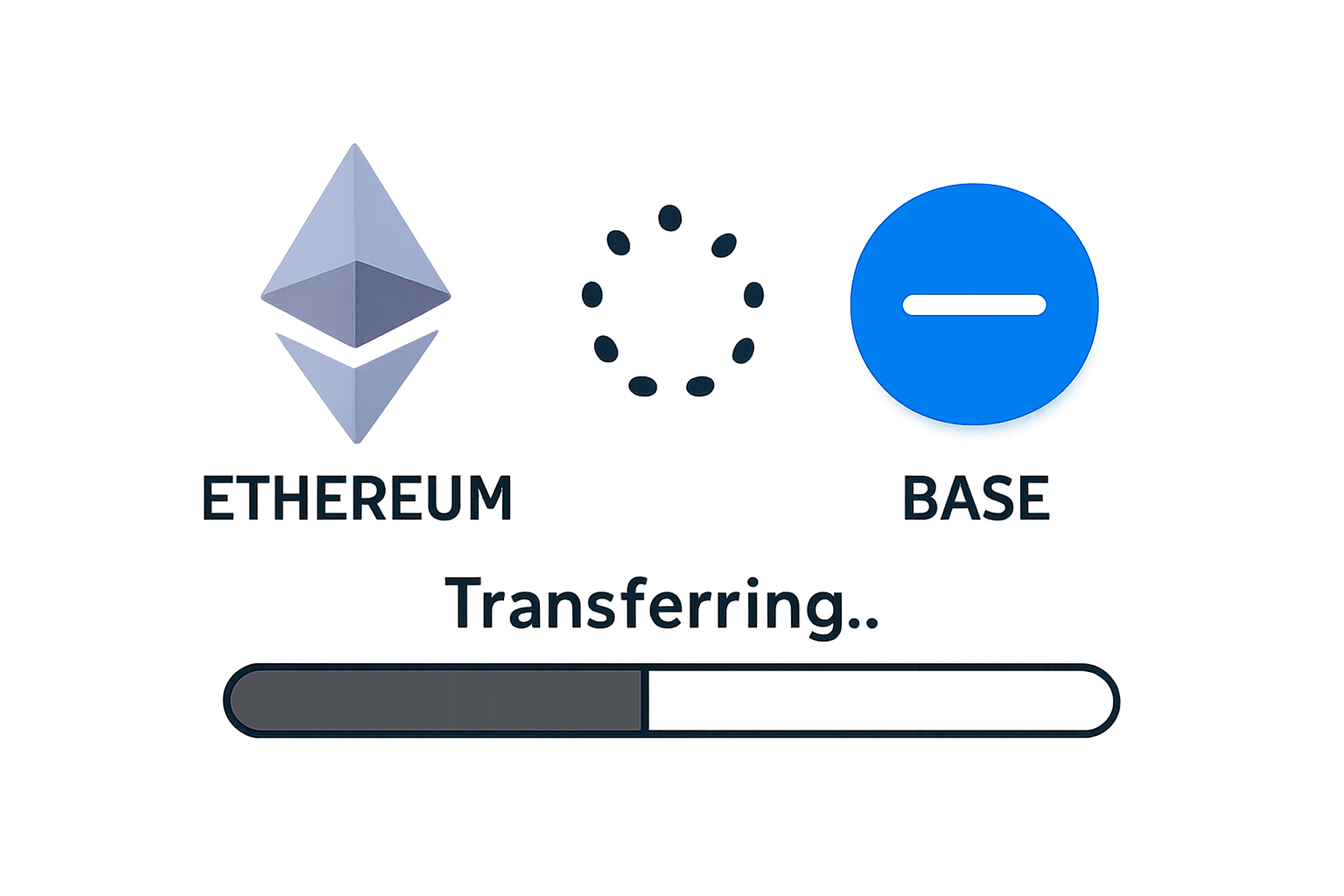
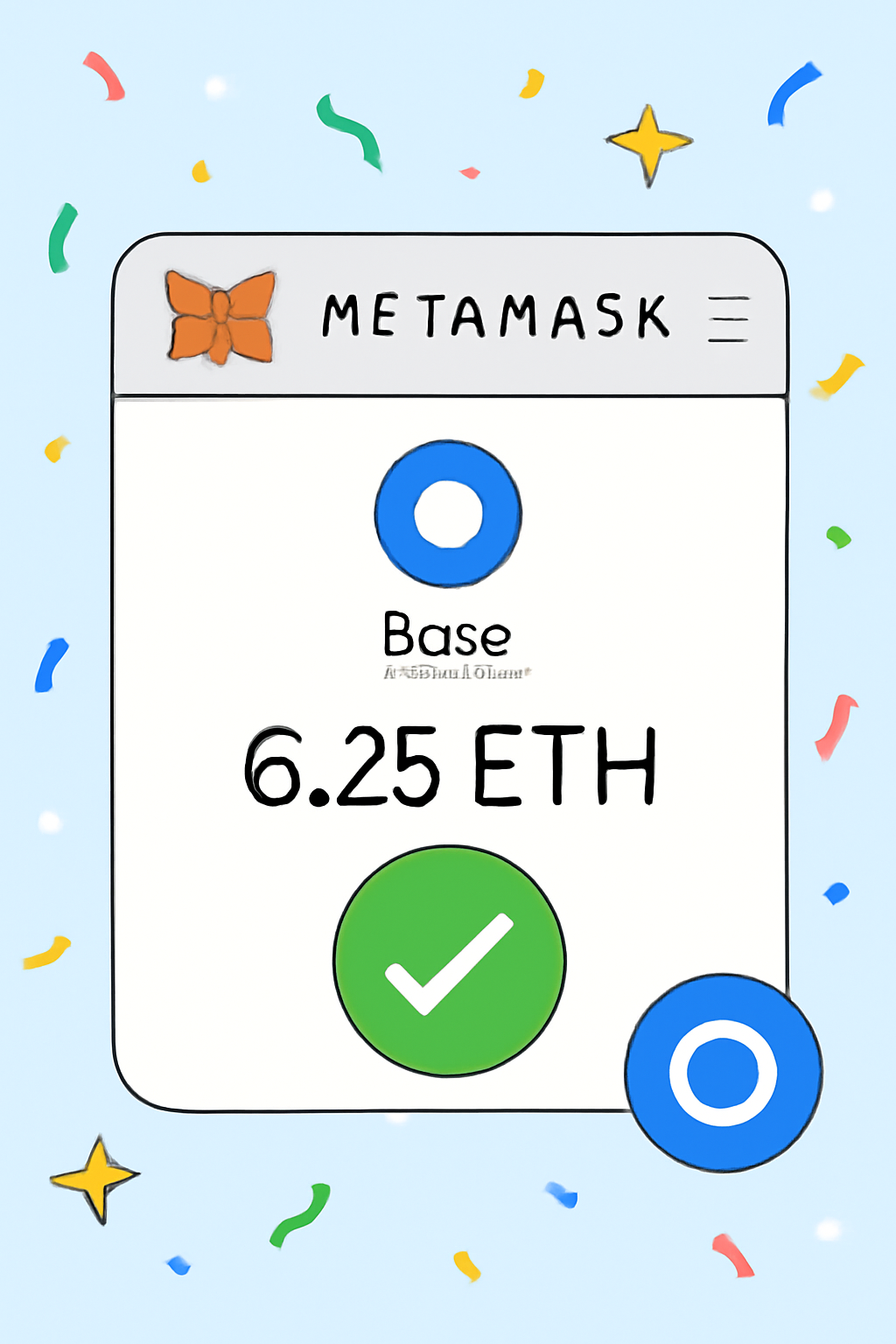
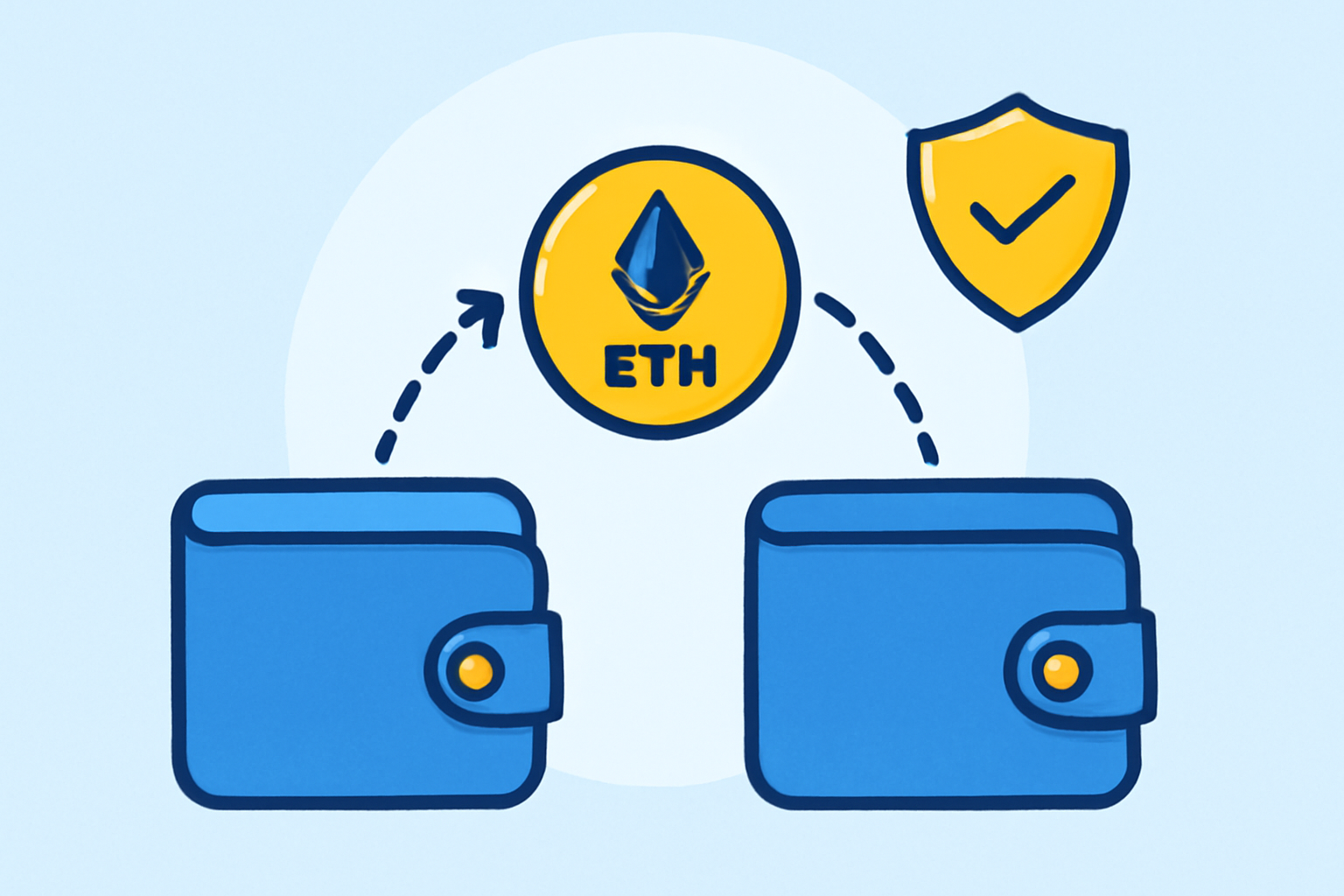
This approach ensures your assets are transferred efficiently while minimizing risk exposure. For an even deeper dive into technical nuances or troubleshooting common issues with different bridge providers, see our extended guides such as this comprehensive walkthrough for 2025.
Preparing Your Wallet and Selecting a Bridge Service
1. Set Up a Compatible Wallet: Ensure you have a Web3 wallet like MetaMask installed, this remains the gold standard for interacting with both Ethereum and Base networks.
2. Fund Your Wallet with Sufficient ETH: Purchase or transfer at least the amount you intend to bridge plus extra for gas fees (which fluctuate but are currently much lower on Layer-2s).
3. Add the Base Network Manually:
- Network Name: Base Mainnet
- New RPC URL: https://mainnet.base.org
- Chain ID: 8453
- Currency Symbol: ETH
- Block Explorer URL: https://basescan.org
You can also use automated tools like Chainlist if you wish to avoid manual entry.
Navigating Bridge Selection: What Matters Most?
Selecting the right bridge depends on your priorities, speed, fee minimization, or cross-chain liquidity access. Explore our full comparison here if you want a side-by-side look at top services.
Once your wallet is configured and funded, the actual bridging process is remarkably intuitive. Still, a few critical best practices can make the difference between a smooth transfer and costly mistakes. Always double-check that you’re connected to the correct networks in your wallet before initiating any bridge transaction. Most reputable bridges display clear network indicators, but it’s ultimately your responsibility to verify.
Monitoring Your Transaction: What to Expect After Bridging
After confirming your transaction on the bridge platform, you’ll typically see a progress bar or status tracker. Transfers from Ethereum mainnet to Base now average between 2-5 minutes for confirmation, thanks largely to improvements in Layer-2 bridging protocols and increased network throughput. If you experience delays beyond 10 minutes, consult the bridge’s support documentation or community channels for troubleshooting.
Pro tip: Use block explorers like BaseScan or Etherscan to track your transaction hash in real time. This transparency ensures you know exactly where your assets are at every stage of the process.
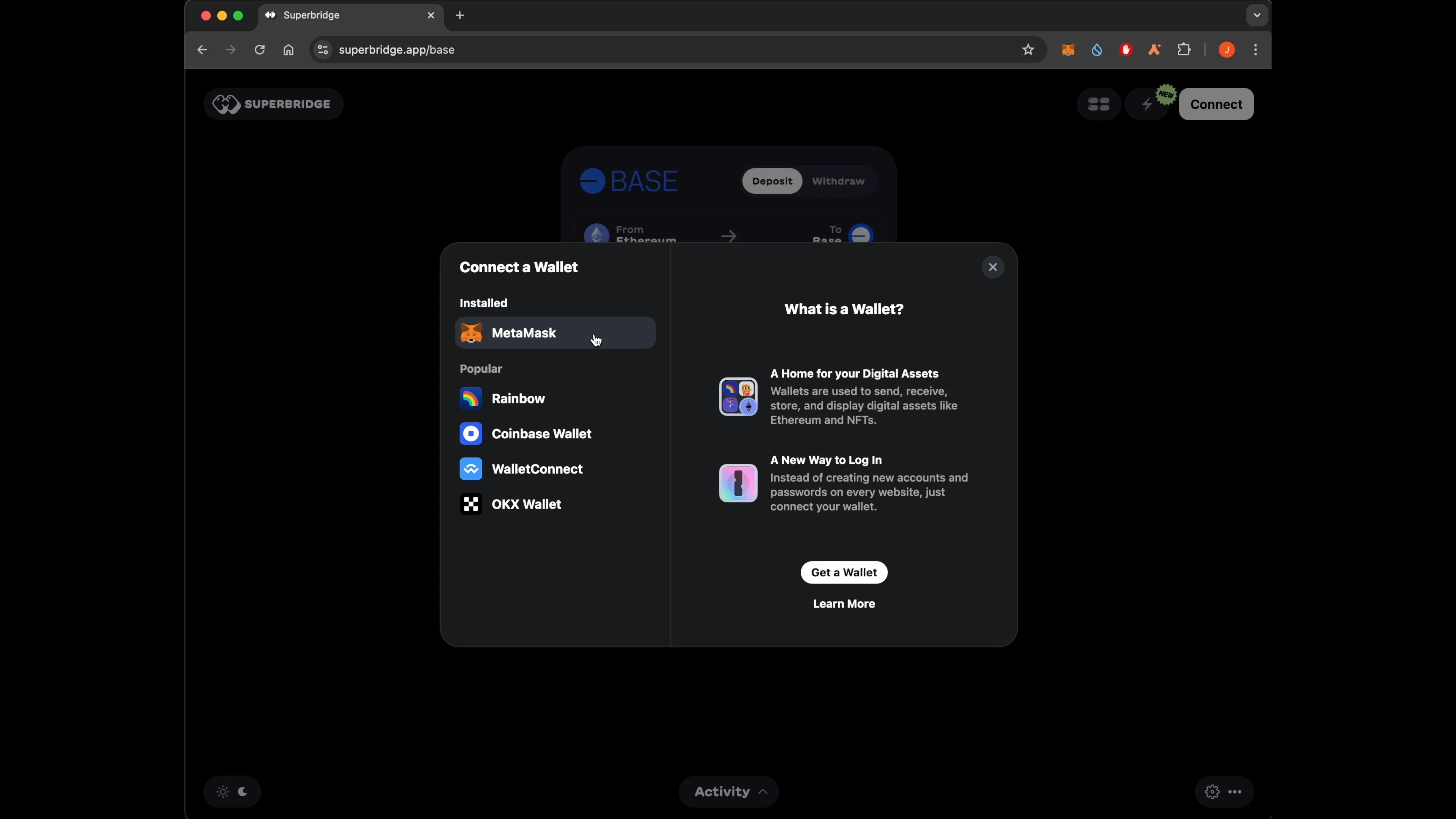
Security Reminders and Red Flags
The popularity of Base chain has attracted both innovation and opportunists. While leading bridges are secure, phishing sites and fake interfaces continue to emerge, especially during periods of high demand or anticipated airdrops. Only access bridges via official links from trusted sources such as the Base website or verified social profiles.
- Bookmark official bridge URLs rather than searching each time
- Avoid unsolicited DMs or links claiming faster/cheaper routes
- Never share your seed phrase with anyone claiming to offer support
- Enable hardware wallet signing for added security on large transfers
- Test with small amounts first, then scale up once confirmed
What Happens After Your ETH Arrives on Base?
Your ETH is now live on Base Mainnet, opening doors to an expanding ecosystem of DeFi protocols, NFT marketplaces, and experimental dApps unique to this Layer-2 environment. Transaction fees remain a fraction of those on mainnet, often less than $0.05 per swap as of late 2025, making even micro-transactions feasible.
If you’re pursuing yield opportunities or hunting for potential Base-native token airdrops, keep an eye on project announcements and snapshot dates. Many new protocols reward early adopters who interact soon after bridging; however, always evaluate risk before locking assets into unfamiliar smart contracts.
Troubleshooting Common Issues When Bridging ETH to Base Chain
If funds don’t appear promptly after bridging:
- Check if your wallet is set to the correct network (Base Mainnet)
- Review transaction status using block explorers (Etherscan/BaseScan)
- Consult the bridge’s FAQ or help center for known delays/maintenance alerts
- If necessary, reach out via official Discords or support channels, never through unofficial Telegram groups or DMs
Key Takeaways: Efficiently Bridge ETH to Base Chain in 2025
- The process is faster and cheaper than ever; most users complete transfers under five minutes with fees significantly below Ethereum mainnet levels.
- Select only audited, reputable bridges, and always verify URLs before connecting wallets.
- Your ETH (currently valued at $3,209.58 per coin) can be utilized instantly across DeFi protocols once it lands on Base.
- Pace yourself with small test transactions if this is your first time using a new bridge service.
- The evolving Base ecosystem rewards early participation; stay informed about upcoming projects and network upgrades.
If you want more detailed visuals or user stories about cross-chain transfers, including tips for maximizing yield post-bridge, explore our other resources like this illustrated guide with real user experiences from 2025.




No comments yet. Be the first to share your thoughts!