Get base radar 2026 right
Before deploying AI-driven asset tracking, you need to calibrate the physical sensing layer. The 2026 shift isn’t just about software; it’s about hardware that can handle higher frequencies and faster data rates. If your base radar setup is outdated, the AI models will have nothing accurate to learn from.
Start with sensor selection. Modern deployments favor multi-static configurations over single-point sensors. This setup reduces blind spots caused by physical obstructions like shipping containers or warehouse racking. A single sensor might miss a pallet behind a forklift, but a distributed array catches it. Check your vendor specs for angular resolution and update rates. If the radar can’t refresh its view every few seconds, the tracking algorithm will drift.
Network latency is your next bottleneck. AI tracking requires real-time ingestion. If your data pipeline adds more than 50 milliseconds of delay, the system’s ability to predict movement degrades. Ensure your local edge computing nodes are close to the radar units. Cloud-only processing is too slow for high-speed logistics environments. You need local preprocessing to filter noise before sending clean data to the central model.
Finally, validate your baseline. Run a week-long test with no AI overlay. Record raw radar returns and compare them against manual counts. If the raw data is noisy or inconsistent, no amount of machine learning will fix it. Fix the hardware and data pipeline first. Then, and only then, layer on the intelligence.
How to deploy AI-driven radar tracking in 2026
Deploying a modern base radar system requires shifting from static observation to dynamic, AI-assisted tracking. The goal is to integrate sensors that can handle the speed and unpredictability of hypersonic and ballistic threats while maintaining clear visibility for asset tracking.
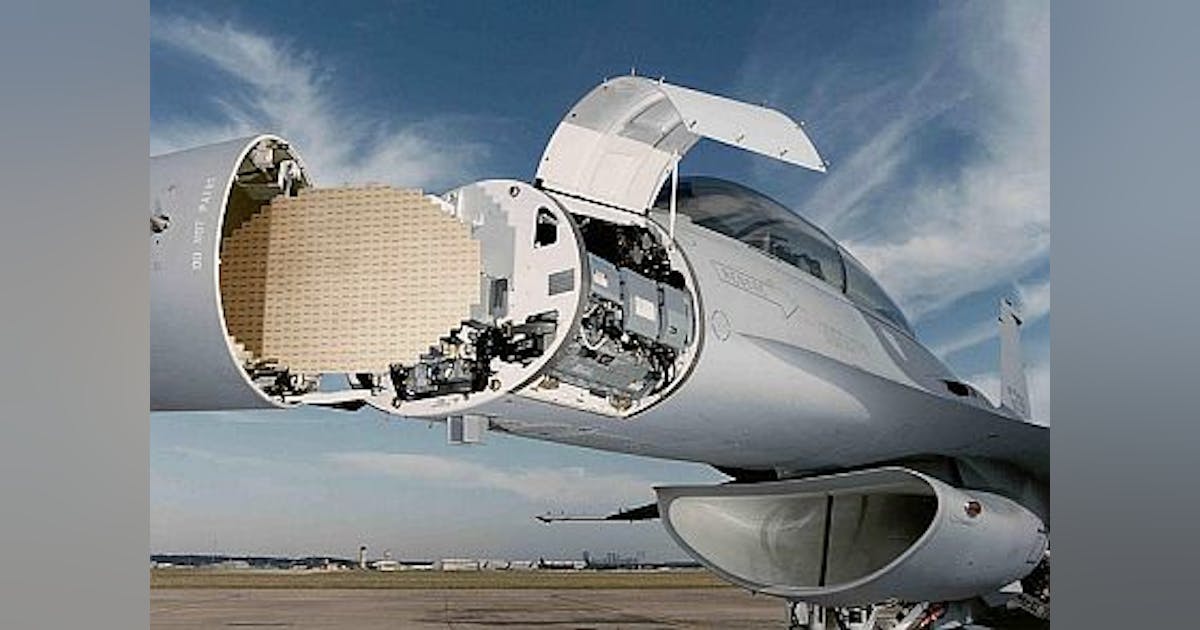
Start by categorizing what you are tracking. Traditional radars often struggle with low-observable or hypersonic targets that glide at high speeds. AI-driven systems need specific training data on these profiles to distinguish them from noise or weather patterns. Clearly defining whether you are tracking ballistic missiles, cruise missiles, or high-speed aircraft ensures the radar’s frequency and pulse repetition rates are calibrated correctly from day one.
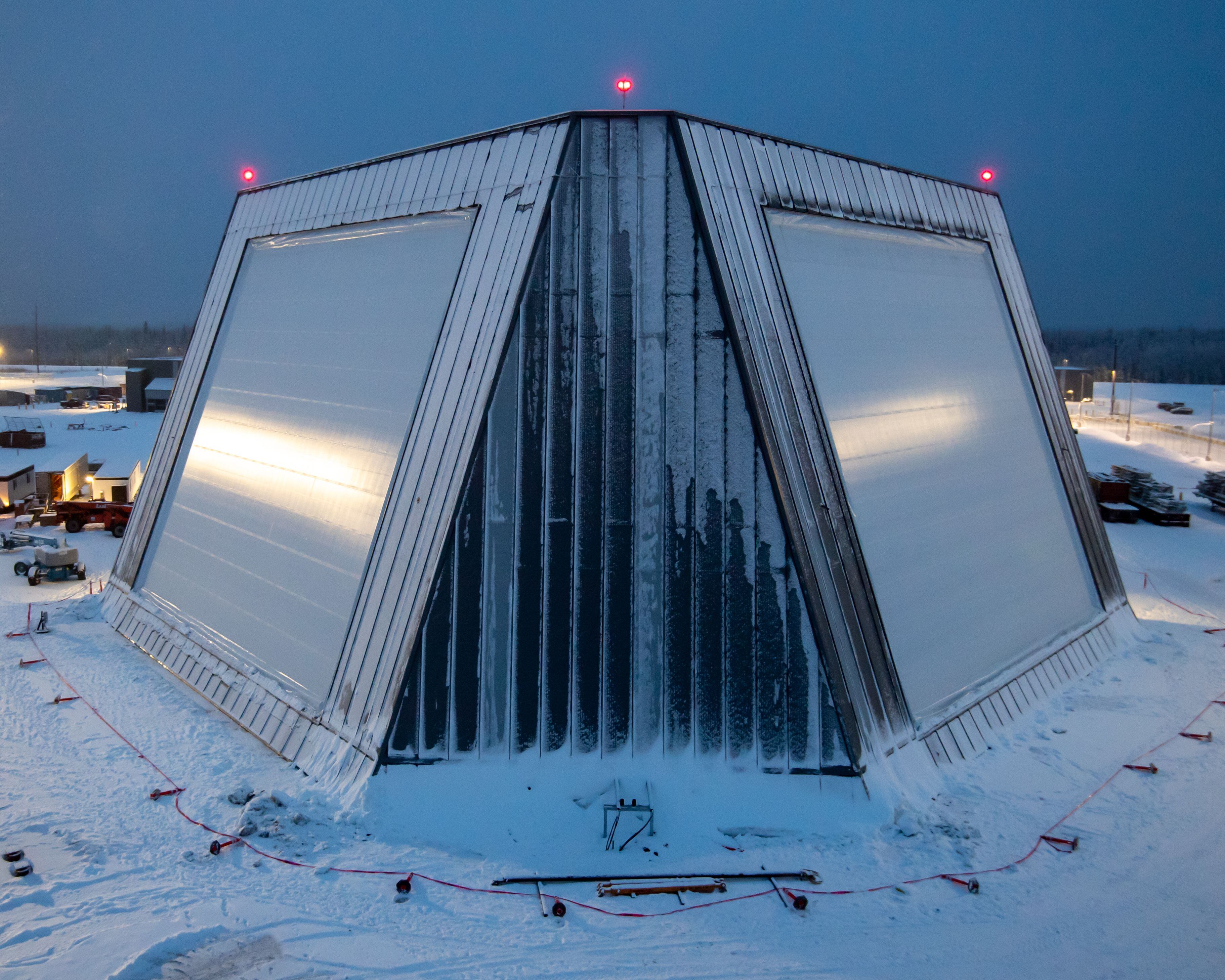
The Missile Defense Agency is actively moving away from fixed installations toward mobile radar platforms. Static sensors create predictable blind spots and are vulnerable to targeted disruption. Mobile platforms offer the flexibility to reposition based on real-time threat intelligence. When evaluating hardware, prioritize systems that can be rapidly deployed and reconfigured, as this mobility is now a core component of effective asset tracking and defense.

Raw radar data is often too noisy for human operators to interpret quickly. AI layers filter this noise, identifying genuine tracks from clutter like birds, weather, or terrain reflections. Ensure your system includes edge computing capabilities to process this data locally before sending it to central command. This reduces latency, which is critical when tracking fast-moving targets where seconds determine the outcome of the engagement.
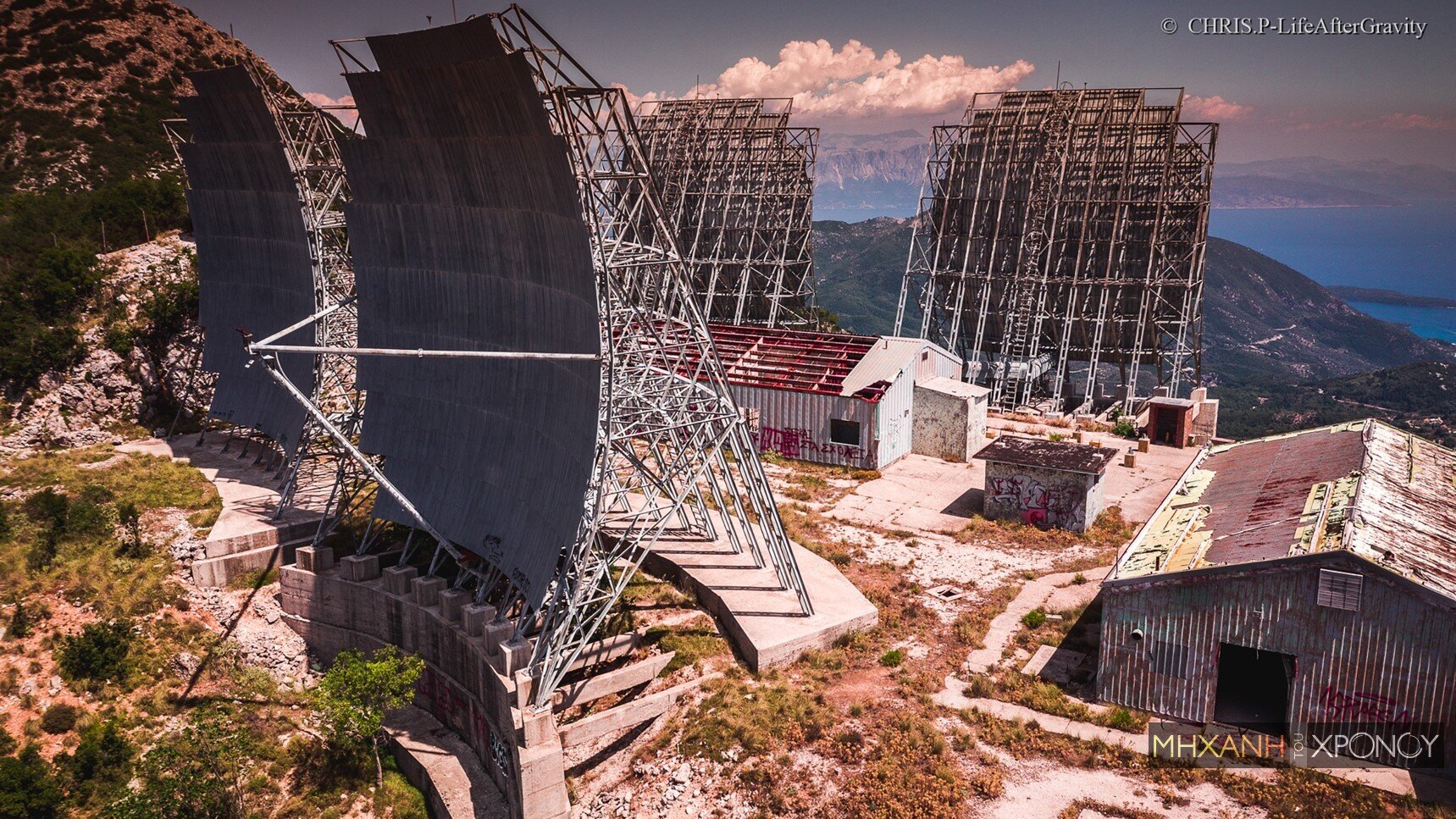
Before full deployment, run the system through rigorous simulation scenarios that mimic hypersonic flight paths and electronic warfare interference. These tests reveal how well the AI handles data gaps and whether the radar can maintain lock on erratic targets. Use these results to fine-tune the sensor fusion algorithms, ensuring the system remains reliable under stress.
-
Confirm AI models are trained on recent hypersonic data
-
Verify mobile radar units can deploy within 4 hours
-
Test edge computing latency under high-data loads
-
Run simulation scenarios with electronic jamming active
Fix common mistakes
Even with advanced AI-driven asset tracking, supply chain visibility fails when operators rely on outdated assumptions about radar performance. The most frequent error is treating static sensors as if they can handle dynamic, high-speed environments. Static radars struggle to track hypersonic or rapidly maneuvering targets because they lack the mobility to adjust their field of view in real time. This mismatch creates blind spots that AI models cannot compensate for, leading to delayed responses when assets move unpredictably.
Another critical mistake is ignoring the difference between simple detection and precise tracking. While basic Doppler radar can identify the presence of an object, it often lacks the resolution needed for accurate asset identification in cluttered environments. Operators sometimes assume that "seeing" an object is enough, but without high-precision data, AI algorithms may misclassify assets or fail to distinguish between legitimate cargo and environmental noise. This ambiguity undermines the entire tracking system, making it unreliable for critical logistics decisions.
Finally, many teams fail to integrate radar data with broader AI analytics pipelines. Radar provides raw signal data, but without proper preprocessing and fusion with other sensors (like GPS or IoT tags), the information remains fragmented. Treating radar as a standalone solution rather than one component of a multi-sensor network leads to incomplete visibility. Ensure your setup includes clear data handoff protocols between hardware and software layers to avoid these pitfalls.
Base radar 2026: what to check next
The shift toward AI-driven asset tracking in 2026 is reshaping how supply chains handle visibility, but practical implementation questions remain. Below are the most common concerns regarding integration, accuracy, and operational impact.
No comments yet. Be the first to share your thoughts!