
Trading across EVM chains has evolved from a technical challenge into a smooth, largely visual experience, thanks to innovations like Base and its growing ecosystem of integrated tools. Whether you’re seeking faster swaps, lower fees, or access to new DeFi opportunities, understanding how to bridge and trade using Base is now essential for any active crypto participant.

Why Cross-Chain Trading Matters in 2025
As more protocols launch on different EVM-compatible chains, liquidity and unique assets have become increasingly fragmented. Bridging assets and trading across chains is no longer a luxury – it’s a necessity. With the rise of on-chain gaming, yield farming, and microtransactions, users demand seamless transfers between networks like Ethereum, Arbitrum, Solana, and Base. Base chain trading now sits at the heart of this multichain reality.
Platforms such as BaseSwap have taken interoperability to the next level. By collaborating with Squid Router and Axelar, BaseSwap lets users perform direct cross-chain swaps without jumping through complex hoops. For example, you can swap Arbitrum USDC for Base BSWAP in one click – a process that used to require multiple transactions and manual bridging.
How Cross-Chain Swaps Work on Base
The magic behind seamless cross-chain trading lies in smart routing and secure bridges. When using platforms like BaseSwap or BasedSwap:
Key Advantages of Cross-Chain Swaps on Base
-
Seamless Onboarding from Any EVM Chain: Platforms like BaseSwap enable users to swap assets directly from networks such as Arbitrum or Ethereum to Base in a single transaction, simplifying the onboarding process.
-
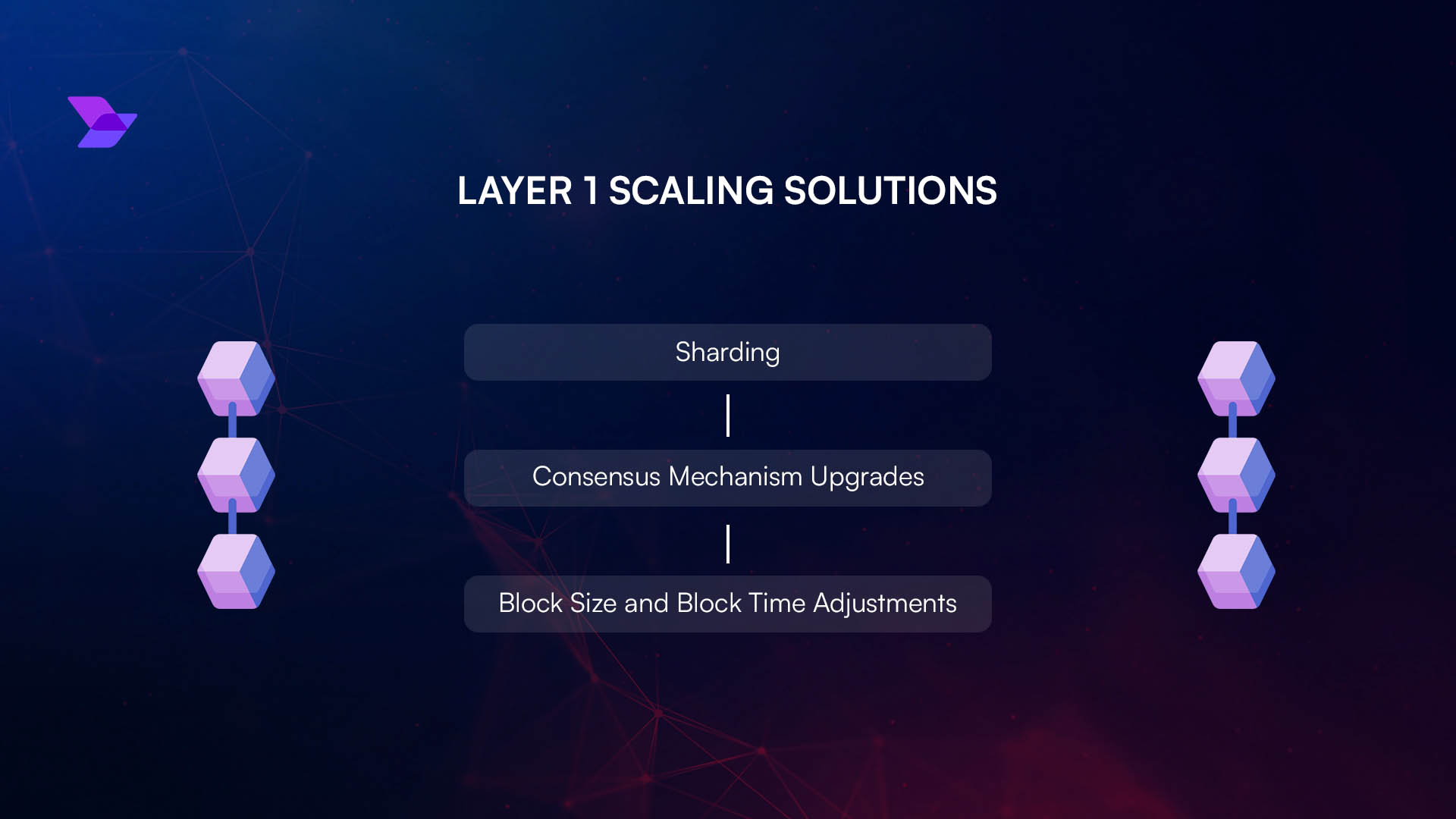
Fast and Cost-Effective Transactions: Cross-chain swaps on Base benefit from the network’s high throughput and low fees, allowing users to move assets and trade efficiently without incurring high costs.
-
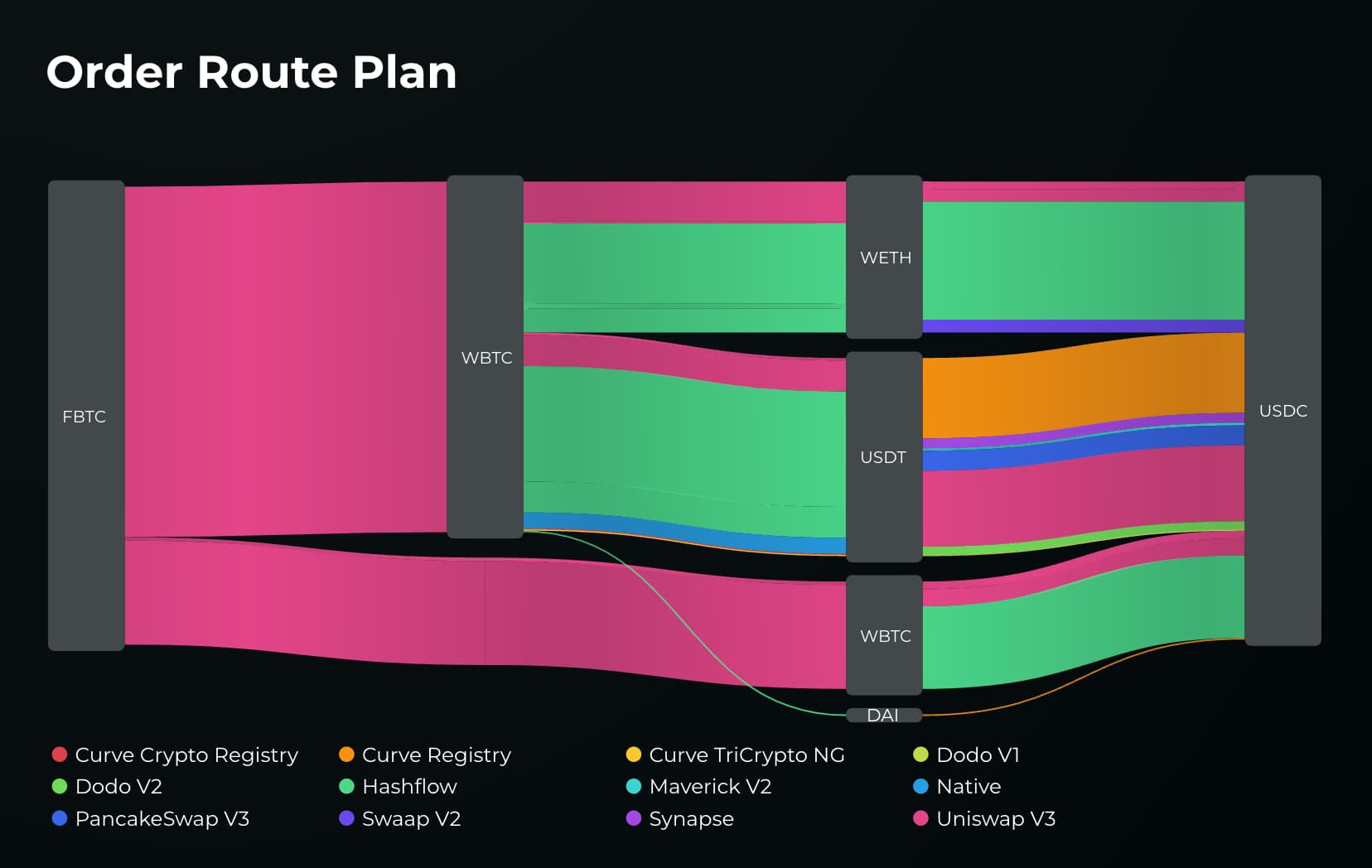
Broad DeFi Integration: Base supports multichain DeFi activities by integrating with major protocols like Uniswap, SushiSwap, Aave, 1inch, and Curve Finance, enabling users to swap, lend, borrow, and yield farm across networks.
-
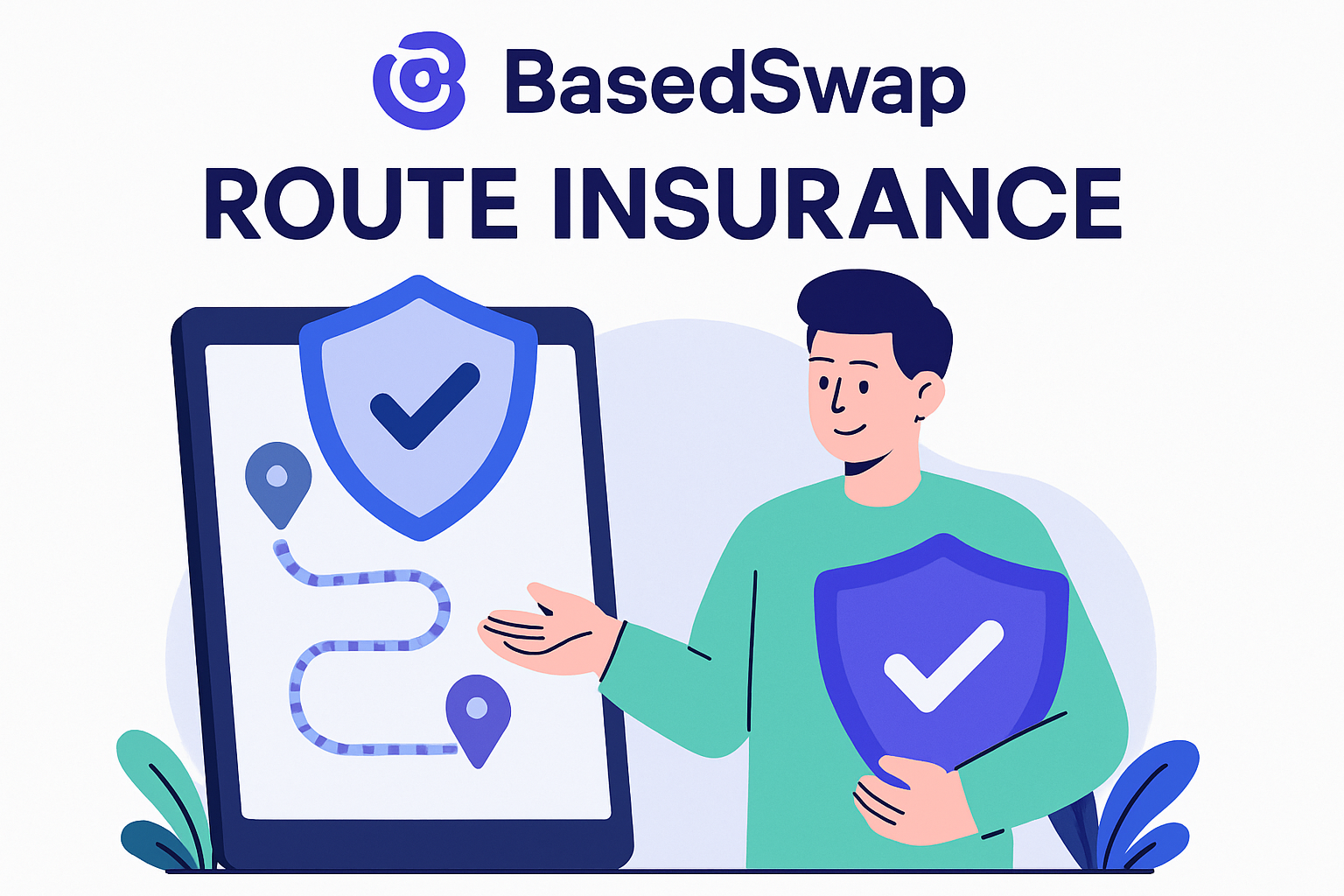
Enhanced Security with Route Insurance: BasedSwap offers route insurance, ensuring that if a bridging transaction fails, funds are safely returned to the originating wallet, reducing the risk of loss during cross-chain transfers.
-
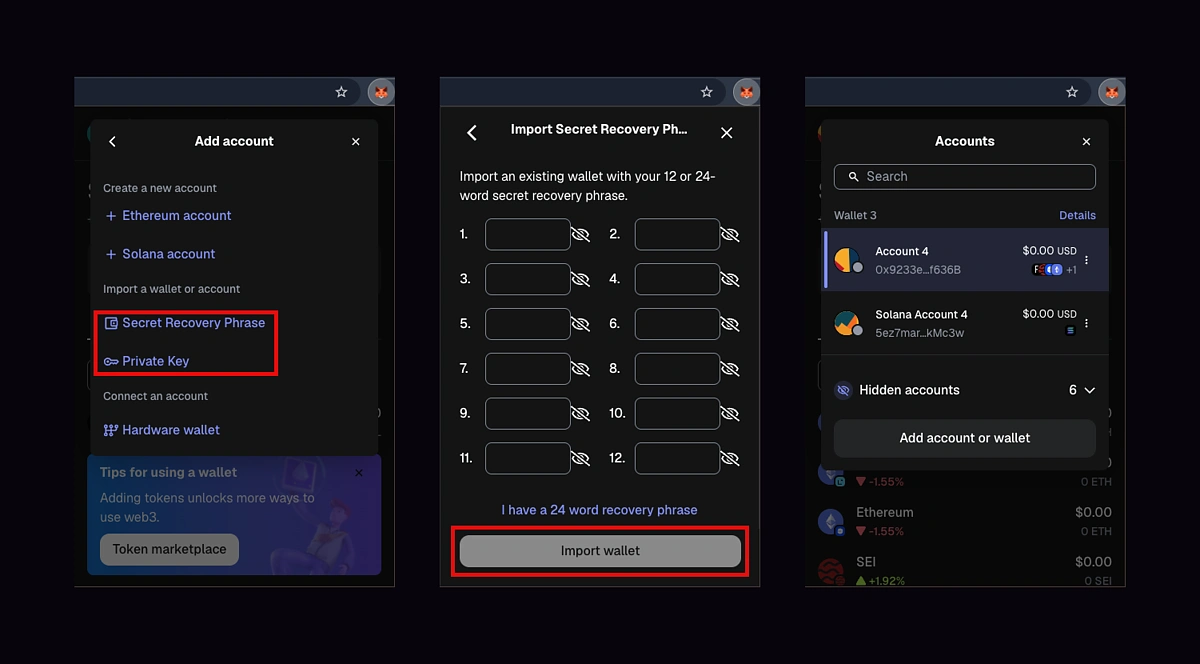
Support for EVM and Non-EVM Chains: Users can connect both EVM wallets (e.g., MetaMask) and Solana wallets, enabling asset transfers between Solana, Base, and other EVM chains for increased flexibility.
-
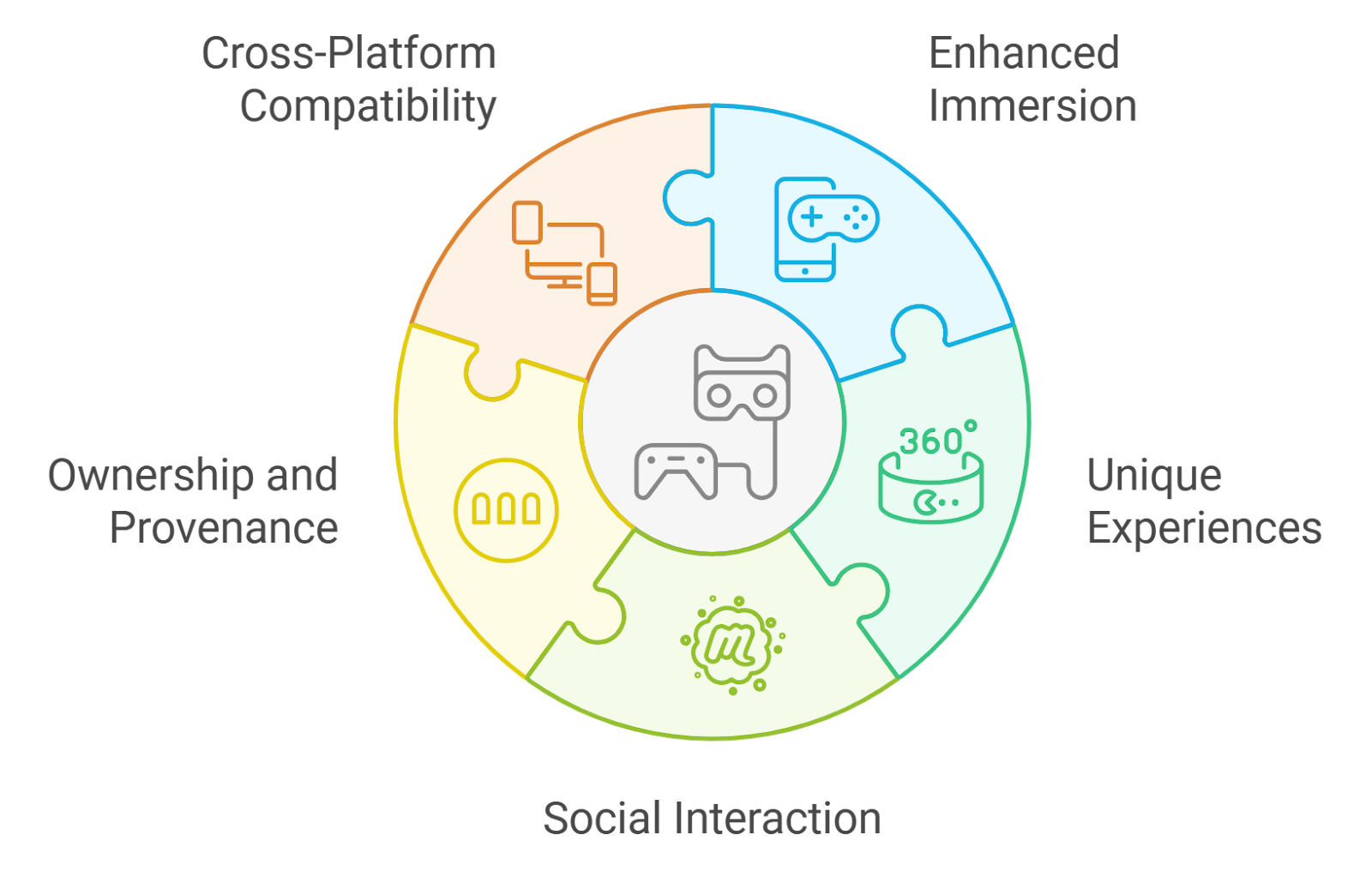
Optimized for On-Chain Gaming: Base’s speed and scalability make it ideal for gaming applications, supporting low-cost microtransactions and easy deployment of game assets via ERC-1155 contracts.
– You connect your EVM wallet (e. g. , MetaMask) and select your source/destination networks. – The platform identifies the optimal route for your assets, often leveraging Axelar or similar protocols. – Funds are swapped and bridged in a single transaction flow, minimizing user error and slippage. – Some platforms offer route insurance, ensuring your funds are returned if something goes wrong during bridging.
This approach not only saves time but also reduces transaction fees and the risk of sending assets to the wrong address. For those bridging from Solana to Base or vice versa, platforms like BasedSwap even allow simultaneous connections with both a Solana wallet and an EVM wallet. This dual-wallet feature streamlines the process and adds an extra layer of safety.
Visual Guide: Bridging Assets to Base
Let’s break down a typical workflow for moving assets from another EVM chain to Base using a visual-first approach:
How to Bridge USDC from Arbitrum to Base Using BaseSwap
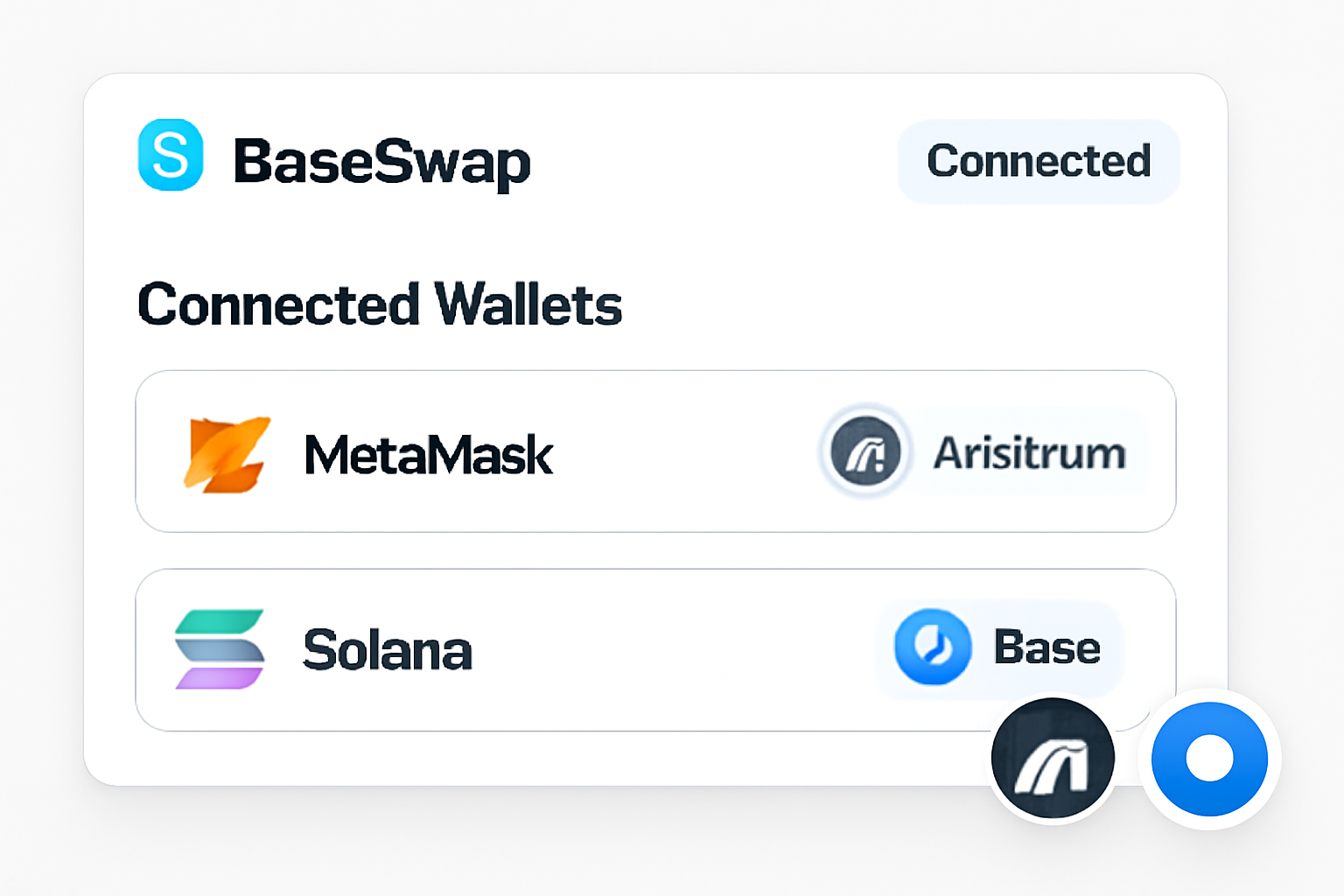
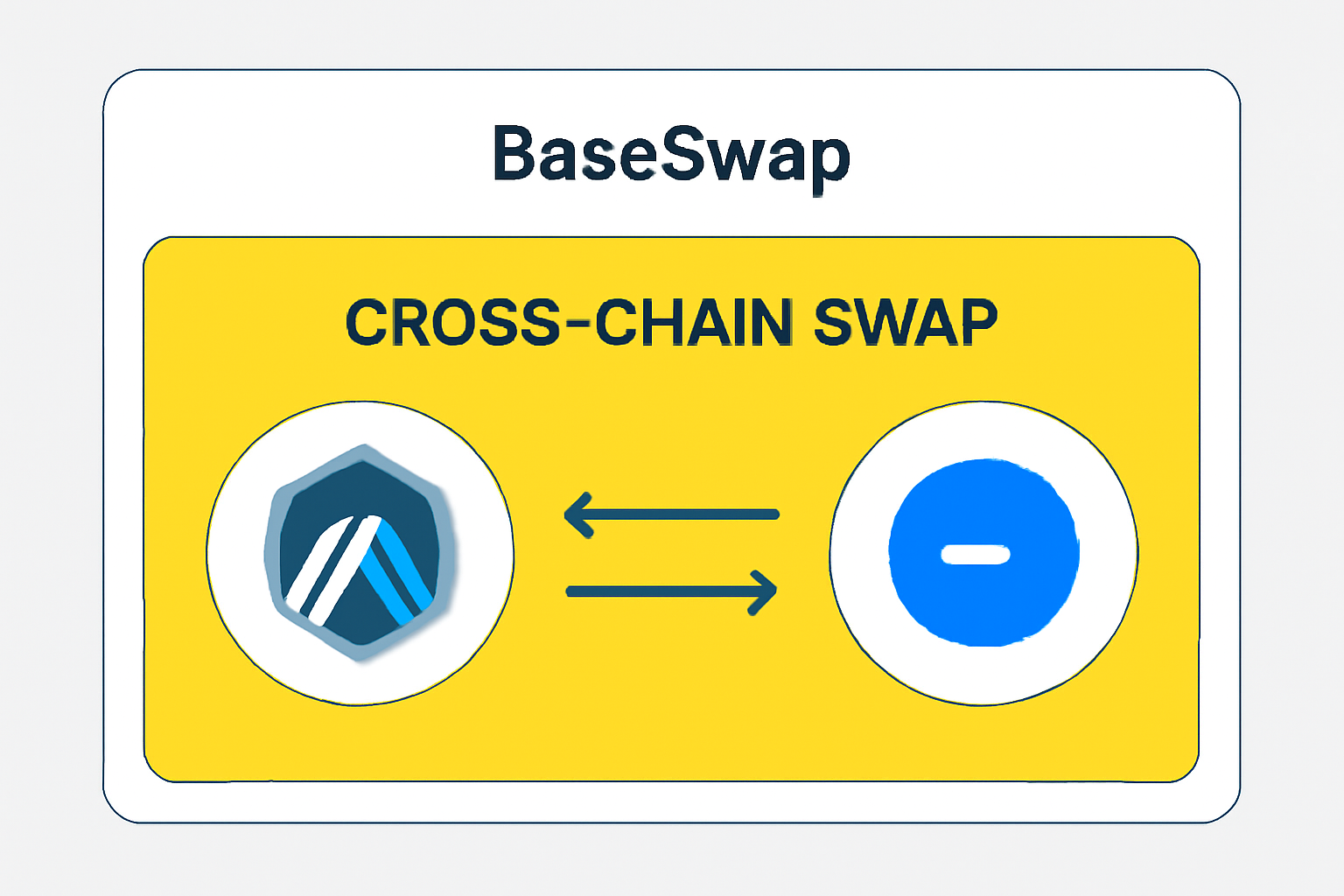
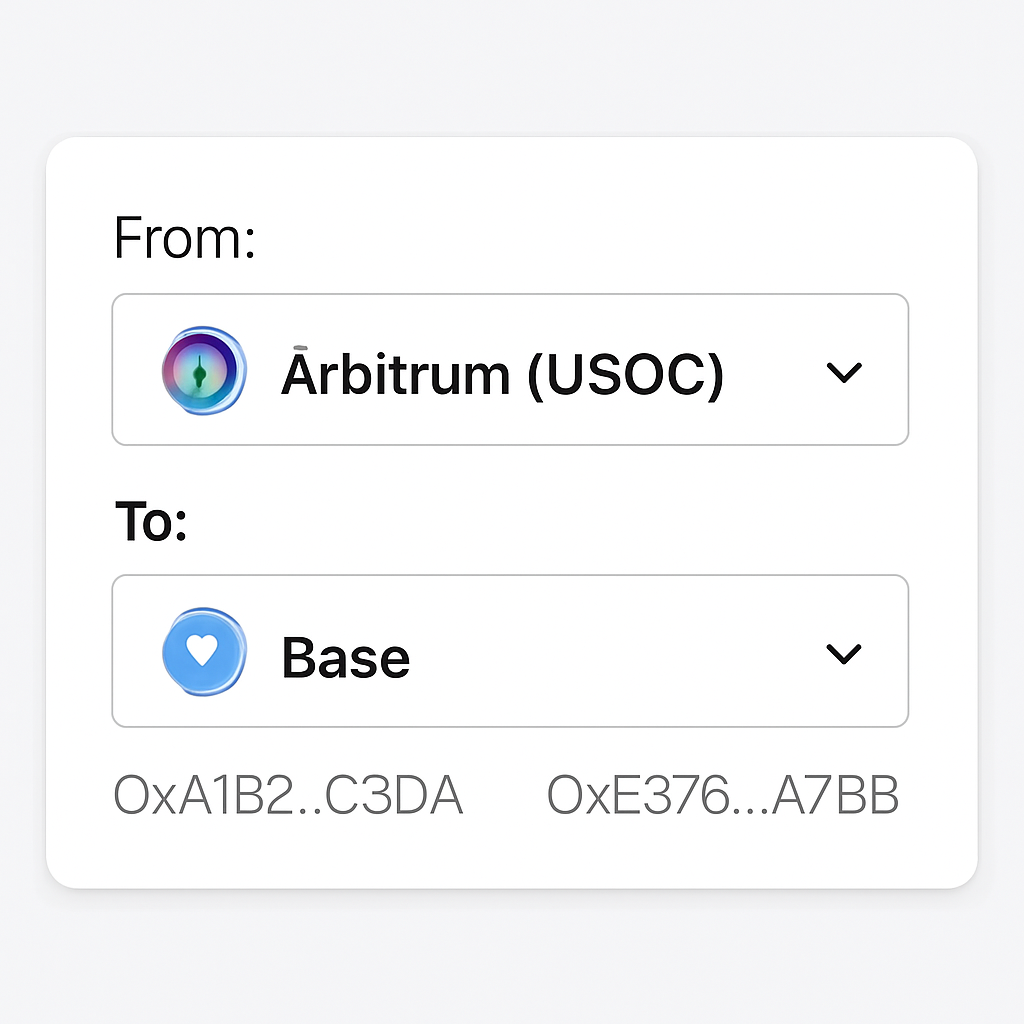
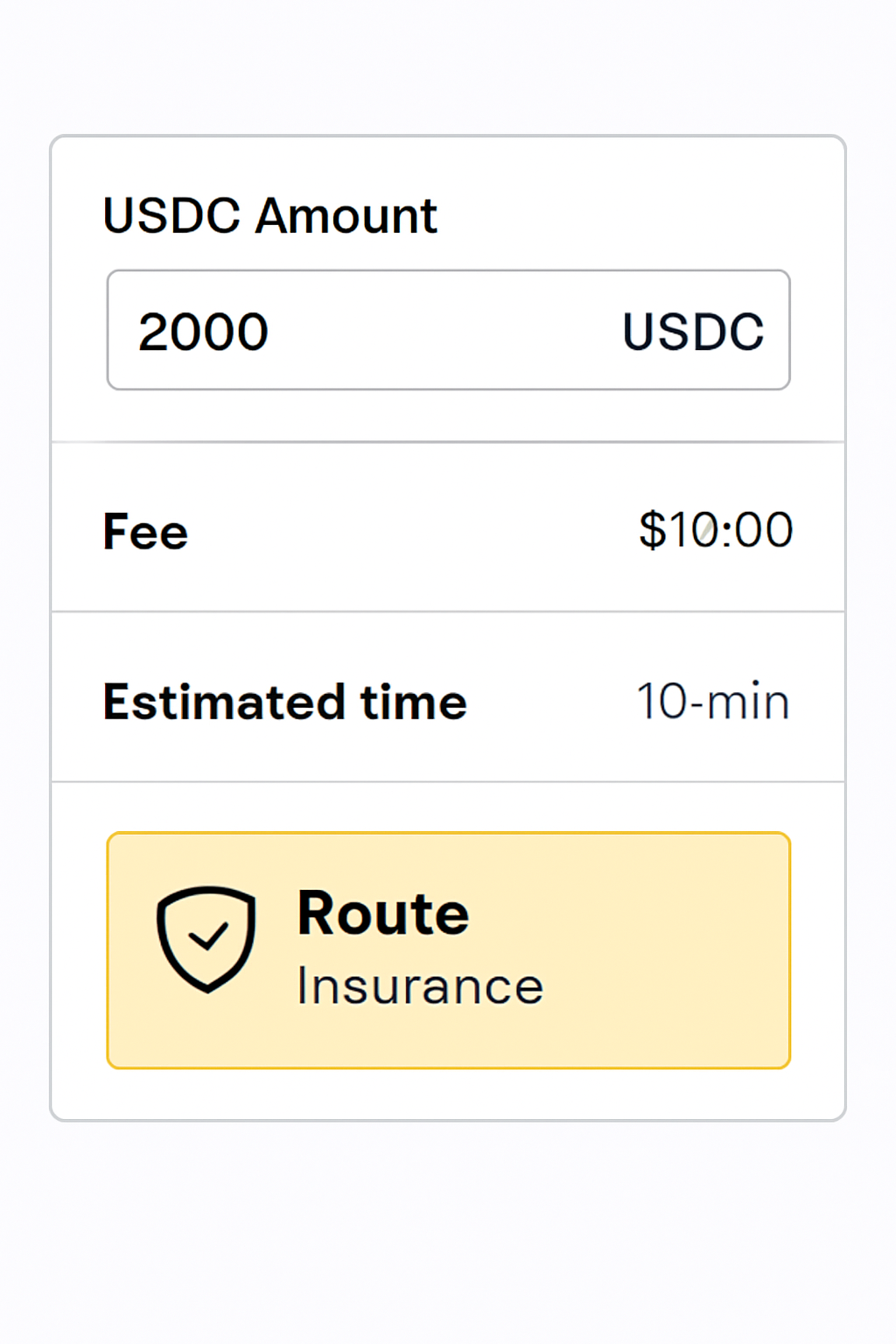
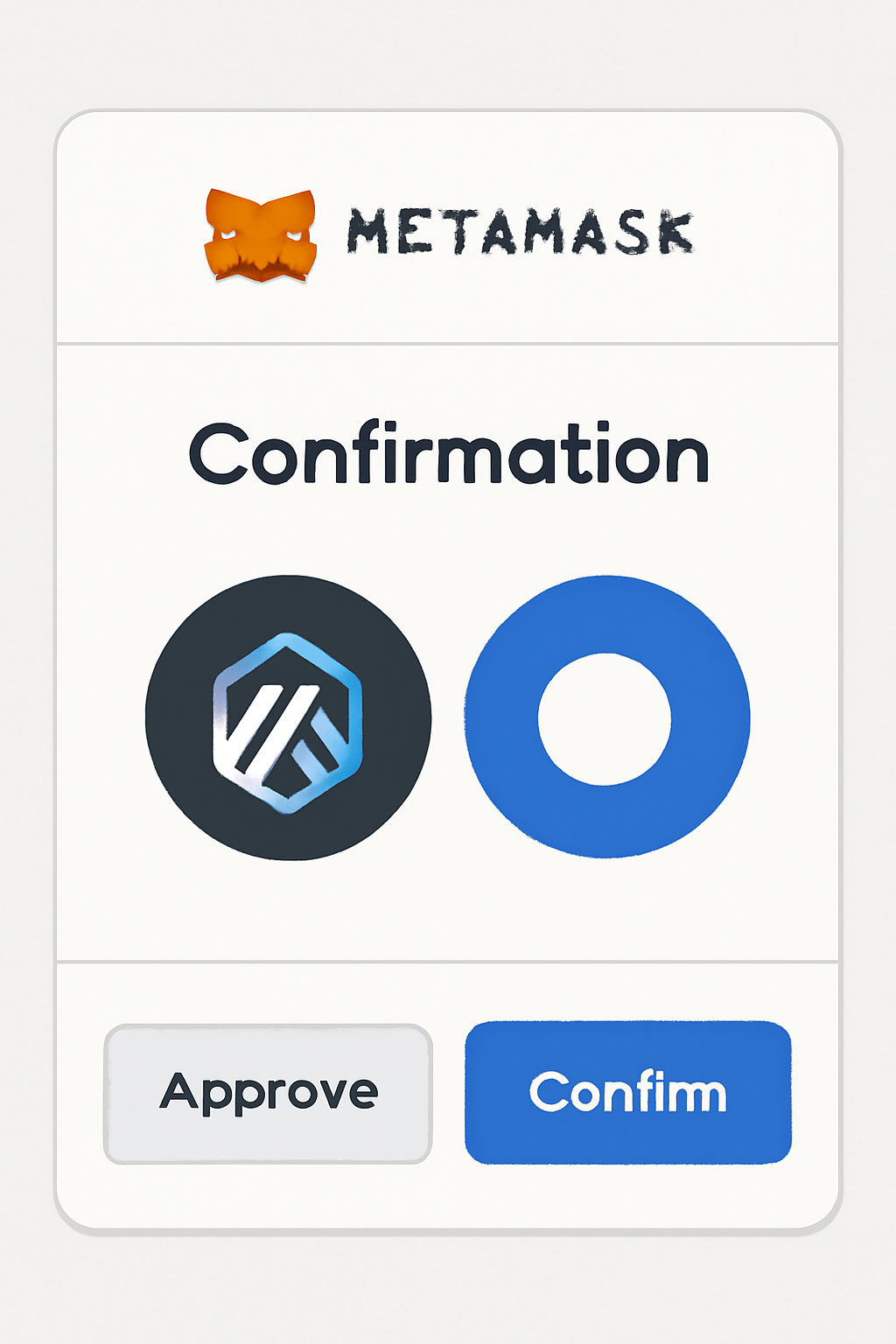
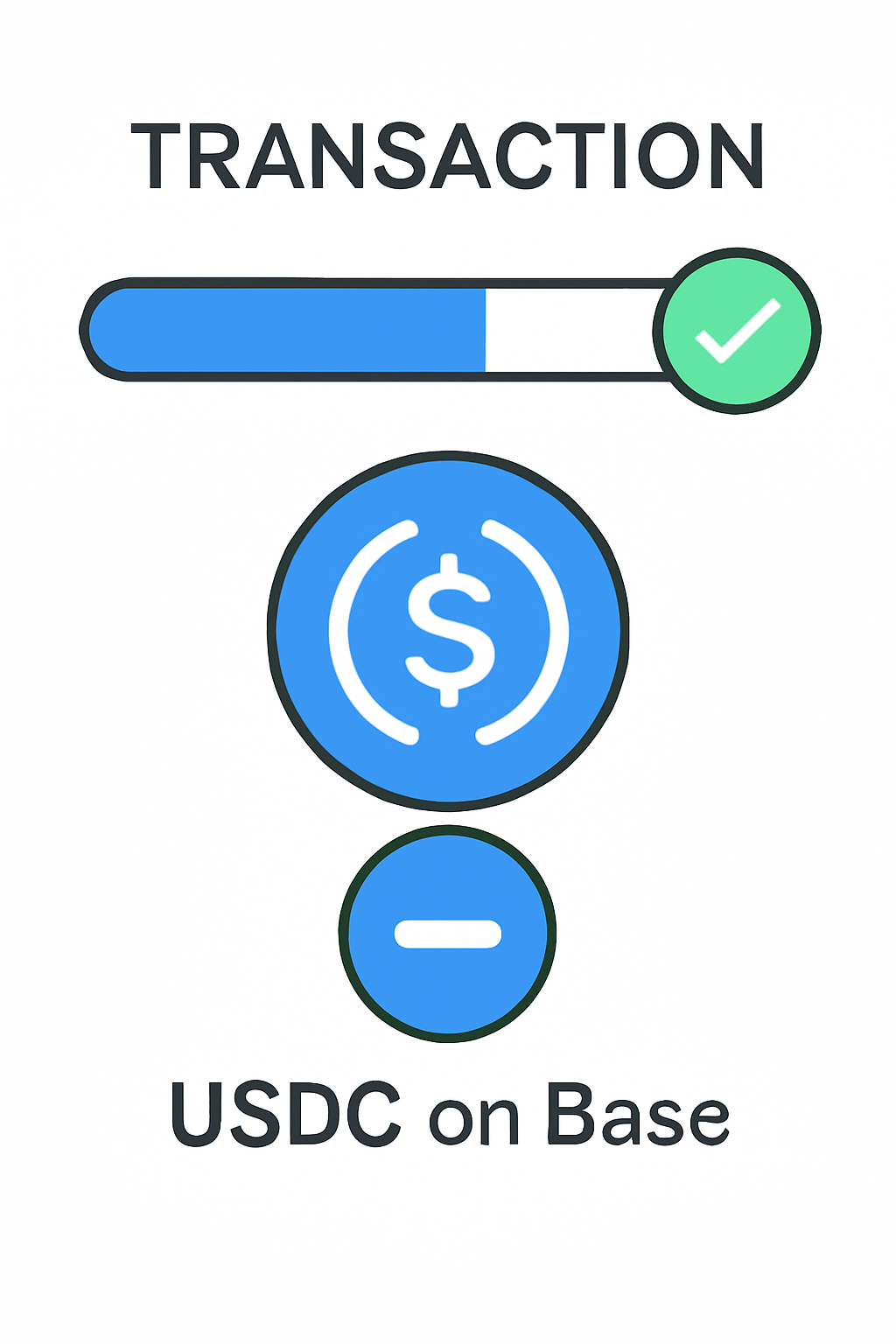

1. Connect your wallet: Open BaseSwap or BasedSwap DApp and link your MetaMask (or compatible EVM wallet).
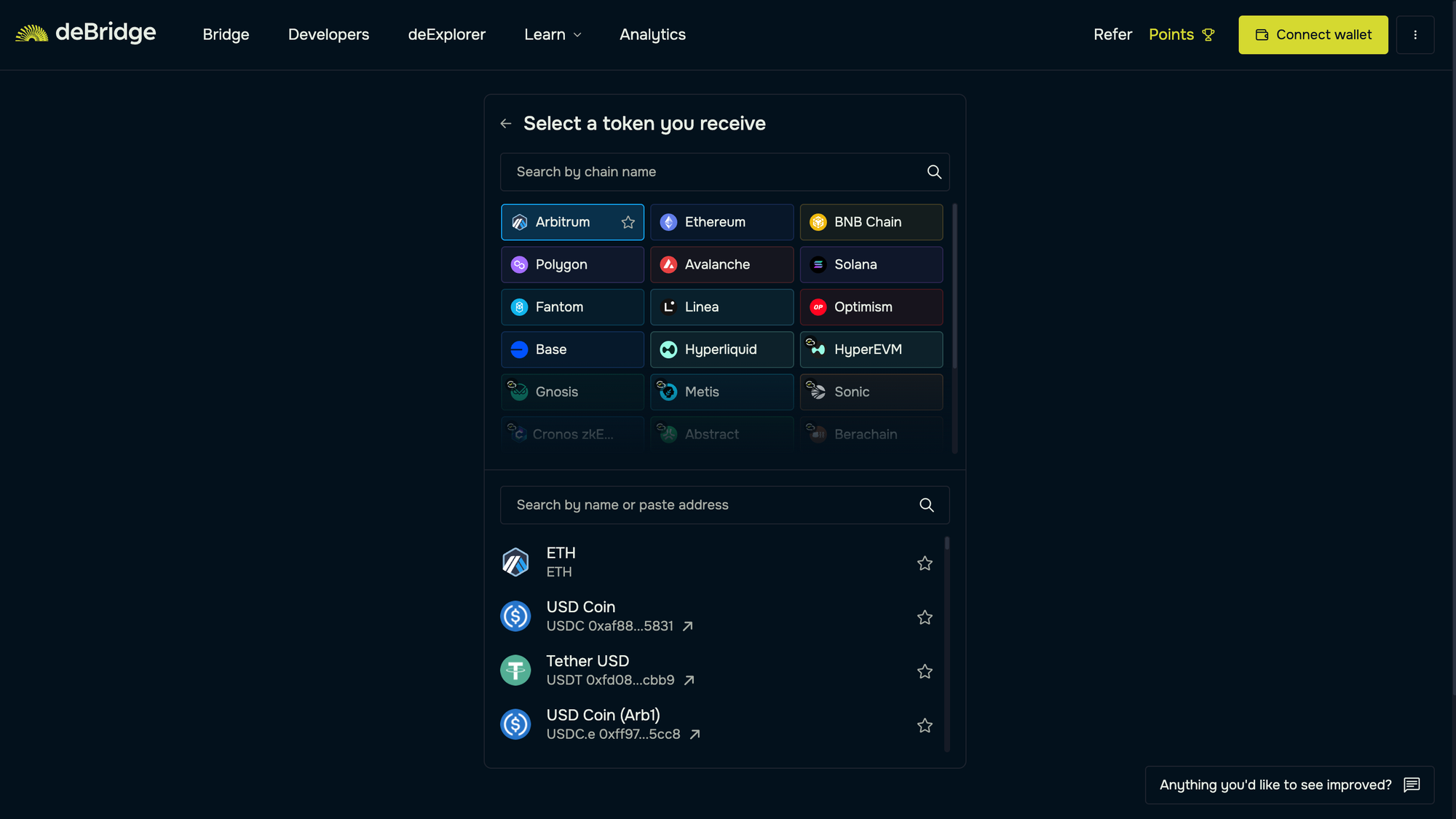
2. Select source and destination: Choose your current network (e. g. , Arbitrum) and select Base as your target.
3. Pick your asset: Select the token you want to bridge/trade (e. g. , USDC).
4. Review route and fees: The platform displays the optimal route and estimated fees. Some platforms show real-time route insurance status.
5. Confirm and execute: Approve the transaction. The swap and bridge occur in a single step.
6. Verify arrival: Check your wallet on the Base network to confirm receipt.
Security and Best Practices
While cross-chain trading has become more accessible, security remains paramount. Always double-check wallet addresses when connecting multiple wallets (especially when bridging between Solana and EVM chains). Use platforms that offer route insurance or robust fallback mechanisms. For a deeper dive into bridge security models, see this visual threat model breakdown.
The evolving landscape of EVM chain bridges means new tools are constantly emerging. Stay updated with trusted sources like BasedSwap’s latest features or BaseSwap documentation to ensure you’re leveraging the most secure and cost-effective routes available.
Cross-chain trading on Base isn’t limited to simple asset transfers. The ecosystem now supports a range of DeFi activities, from swapping and lending to on-chain gaming and liquidity aggregation. With integrations across protocols like Uniswap, SushiSwap, Aave, and Curve, users can bridge assets and immediately put them to work across multiple networks, without ever leaving the Base interface.
For on-chain gamers and NFT enthusiasts, Base’s low fees and Ethereum compatibility make it a go-to network for microtransactions and deploying ERC-1155 game items. The workflow typically involves adding the Base network to your MetaMask, bridging ETH or stablecoins, and then interacting with gaming DApps or marketplaces native to Base. The process is visual, intuitive, and designed for both new and experienced users.
Common Pitfalls and How to Avoid Them
Despite the streamlined user experience, some risks remain. Here are the most common mistakes when bridging and trading across EVM chains, and how to sidestep them:
Top Mistakes to Avoid When Bridging to Base
-
Choosing Unverified or Unsafe Bridges: Avoid using little-known or unaudited bridges. Stick to reputable solutions like Chainlink Transporter, deBridge, Across Protocol, BaseSwap, or BasedSwap to minimize security risks.
-
Ignoring Network Fees and Slippage: Not accounting for gas fees or potential slippage can result in higher costs or receiving less than expected. Check fee estimates and slippage settings on platforms like BaseSwap and Uniswap before confirming transactions.
-
Forgetting to Add the Base Network to Your Wallet: After bridging, you must add the Base network (e.g., to MetaMask) to view and manage your assets. Skipping this step can cause confusion or make you think your funds are missing.
-
Not Verifying Supported Assets: Only bridge assets that are explicitly supported by your chosen platform. Attempting to bridge unsupported tokens can lead to failed transactions or lost funds. Platforms like BaseSwap and BasedSwap list supported assets clearly.
-

Overlooking Route Insurance Options: Some platforms, such as BasedSwap, offer route insurance to protect your funds in case of technical issues during bridging. Failing to enable or understand these features may leave you unprotected.
-
Not Confirming Transaction Status on Both Chains: Always verify that your transaction is complete on both the source and destination chains using block explorers or bridge dashboards. This helps you catch any issues early and avoid assuming funds are lost.

Double-check your destination network. Sending funds to the wrong chain can result in loss or long recovery times. Always confirm you’re bridging to the correct network (e. g. , Base, not Optimism or Arbitrum).
Watch for fake DApps. Only use official sites or links from reputable sources. Phishing DApps can mimic real interfaces and intercept your assets.
Monitor gas fees and slippage. While Base offers low costs, bridging from other chains may incur variable fees. Review all estimates before confirming. Platforms like BasedSwap and BaseSwap display real-time fee data for transparency.
Maximizing Value: Yield, Gaming, and Beyond
Once assets arrive on Base, users can explore a diverse set of opportunities. DeFi users can supply liquidity on 1inch or Curve, earn yield via Aave lending, or participate in cross-chain swaps for portfolio rebalancing. On-chain gamers benefit from rapid, cheap transactions, enabling new game mechanics that weren’t feasible on mainnet Ethereum. For NFT collectors, bridging to Base opens access to exclusive drops and lower minting costs.
To stay ahead, regularly check platform updates and community discussions. The DeFi landscape is evolving fast, with new bridges, insurance options, and integrations rolling out monthly. For a comprehensive overview of current cross-chain DeFi tools on Base, see this resource on multichain features.
Final Thoughts: The Future of Cross-Chain Trading on Base
The days of siloed blockchains are behind us. With visual-first tools, route insurance, and deep protocol integrations, trading across EVM chains using Base is more accessible than ever. As liquidity grows and user interfaces improve, expect even more seamless experiences, whether you’re yield farming, gaming, or simply moving stablecoins.
Base’s role as an interoperability hub is only set to expand as new protocols and bridges emerge. By staying informed and following best practices, you’ll be well-positioned to capitalize on the multichain future, while keeping your assets secure.
About the Author