

In the fast-evolving world of DeFi, transferring USDC to the Base chain remains a cornerstone move for traders and builders seeking low-cost execution on this Ethereum Layer 2 powerhouse. But nothing kills momentum like gas fee surprises during a bridge. As we hit 2026, the official Base Bridge at bridge. base. org stands out for its transparency, letting you bridge USDC to Base chain with full visibility into Layer 1 costs upfront. This Base chain bridging guide 2026 breaks it down simply, so you transfer USDC to Base without those dreaded overcharges.
Base, built by Coinbase, processes billions in volume thanks to sequencer fees often near zero. Yet bridging from Ethereum means paying L1 gas, which fluctuates with congestion. The key? Use the official Base bridge USDC interface, review estimates precisely, and time your tx right. I’ve guided hundreds through this; stick to these steps, and you’ll land USDC on Base smoothly.
Understanding Fees on the Official Base Bridge
Unlike third-party bridges with hidden spreads or exploits, the official tool charges only Ethereum L1 gas plus a tiny protocol fee. No sequencer fees hit you on arrival, but you need ETH on Ethereum for the deposit and a bit on Base for claims if needed. In 2026, with Base’s maturity, average bridges take 10-15 minutes, monitored via BaseScan. Pro tip: off-peak hours slash costs by 50% or more.
Base bridges prioritize security; they’ve handled billions without a hitch.
Current tools like Coinbase Wallet’s simple mode even offer fee-free USDC sends on Base post-bridge, boosting adoption. But for cross-chain, the official path rules.
Gear Up: Wallet and Balance Essentials
Before diving in, prep avoids hiccups. You’ll need an EVM wallet like MetaMask or Coinbase Wallet, USDC on Ethereum, and small ETH balances on both chains. Check chaincost. app for real-time fee previews; Ethereum gas might run $5-20 during peaks, Base under $0.01.
Fund via exchanges if short. For Coinbase users, explore this visual fee guide tying into the official flow. Verify contracts: USDC on Ethereum is 0xa0b. . . (standard), Base native post-burn/mint.
Executing the Bridge: First Two Critical Steps
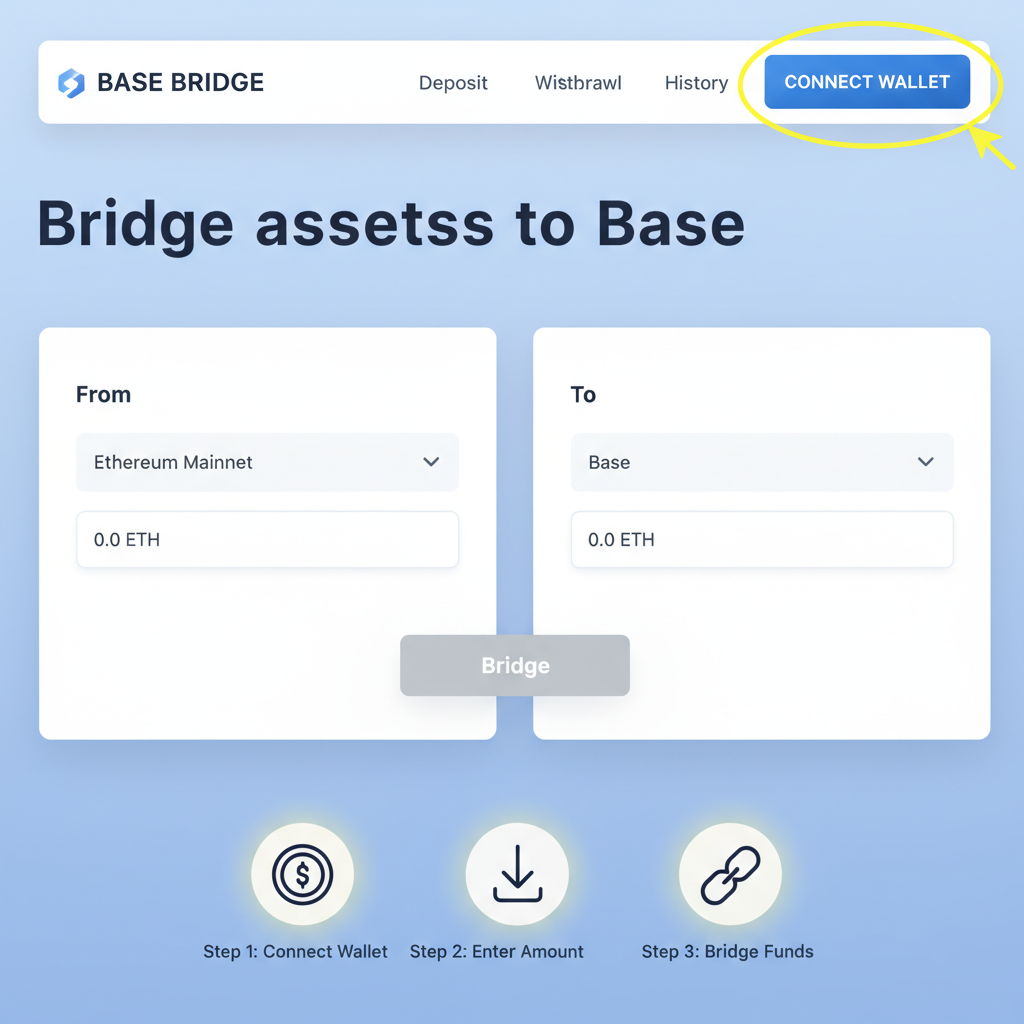
Ready? Launch your Base bridge tutorial now. Head to bridge. base. org – the one-stop for Ethereum to Base transfers.
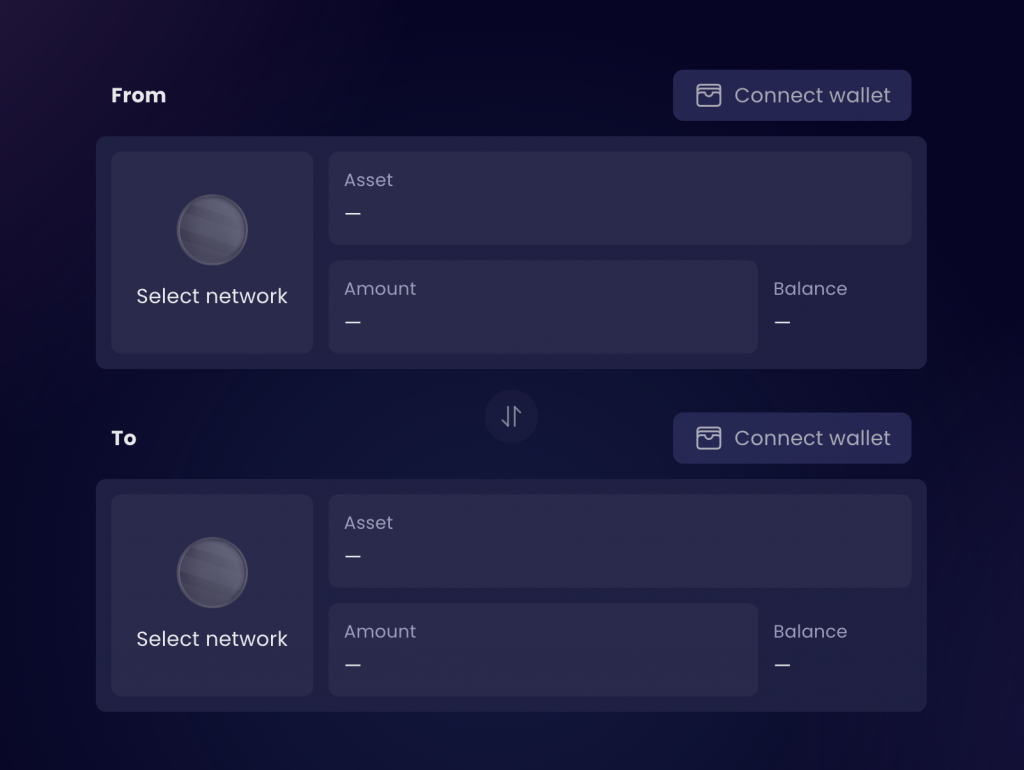
- Visit bridge. base. org and Connect EVM Wallet (MetaMask/Coinbase) to Official Base Bridge. Click ‘Connect’, approve wallet access. See your Ethereum balance load; switch if on wrong chain. This secures your session without seed risks.
Interface loads clean: source Ethereum default, assets including USDC prominent. No clutter, pure function.
Bridge USDC to Base: 4-Step Official Guide (No Gas Fee Surprises)
Next up:
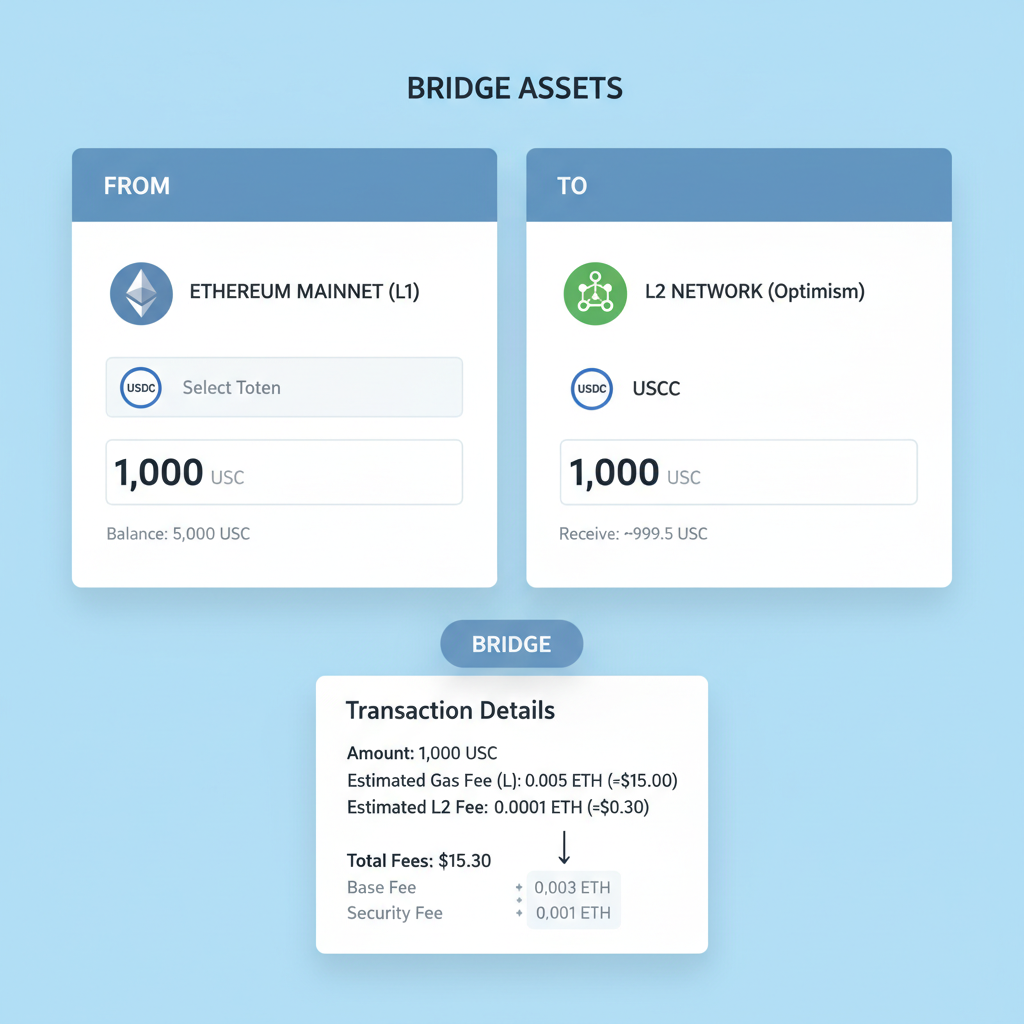
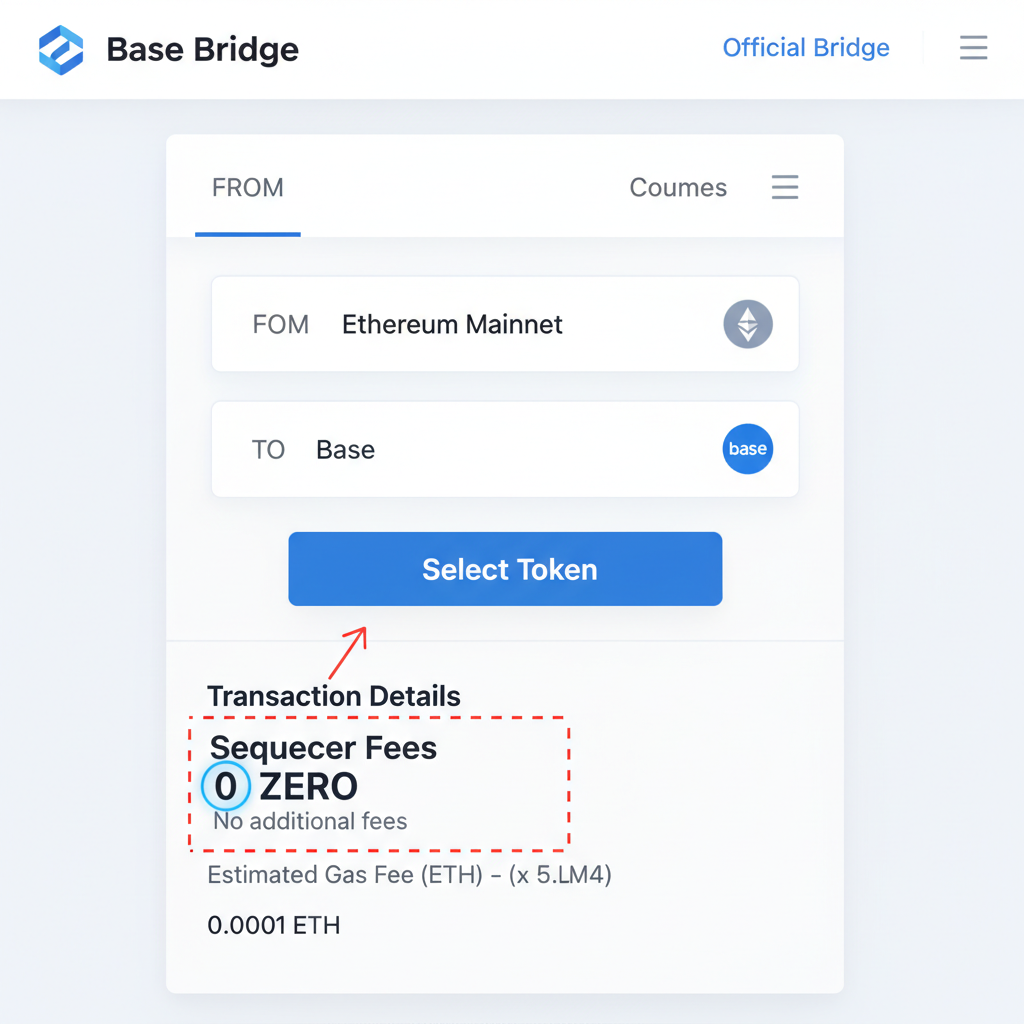
- Select Ethereum as Source Chain, USDC Token, Enter Amount and amp; Review L1 Gas Fees. Input your USDC amount – say $1000. Watch the quote populate: L1 gas estimate in gwei and USD, total cost clear. Slider previews scale fees; if over $10, wait for quieter network. No surprises here; reject if spikes.
This review step is gold – many bridges hide it. With Ethereum at typical loads, expect $3-8 for USDC. Confirm details match: same USDC contract, no slippage.
With your amount set and fees vetted, you’re primed for the destination setup. This is where fee transparency shines brightest on the official Base bridge USDC platform.
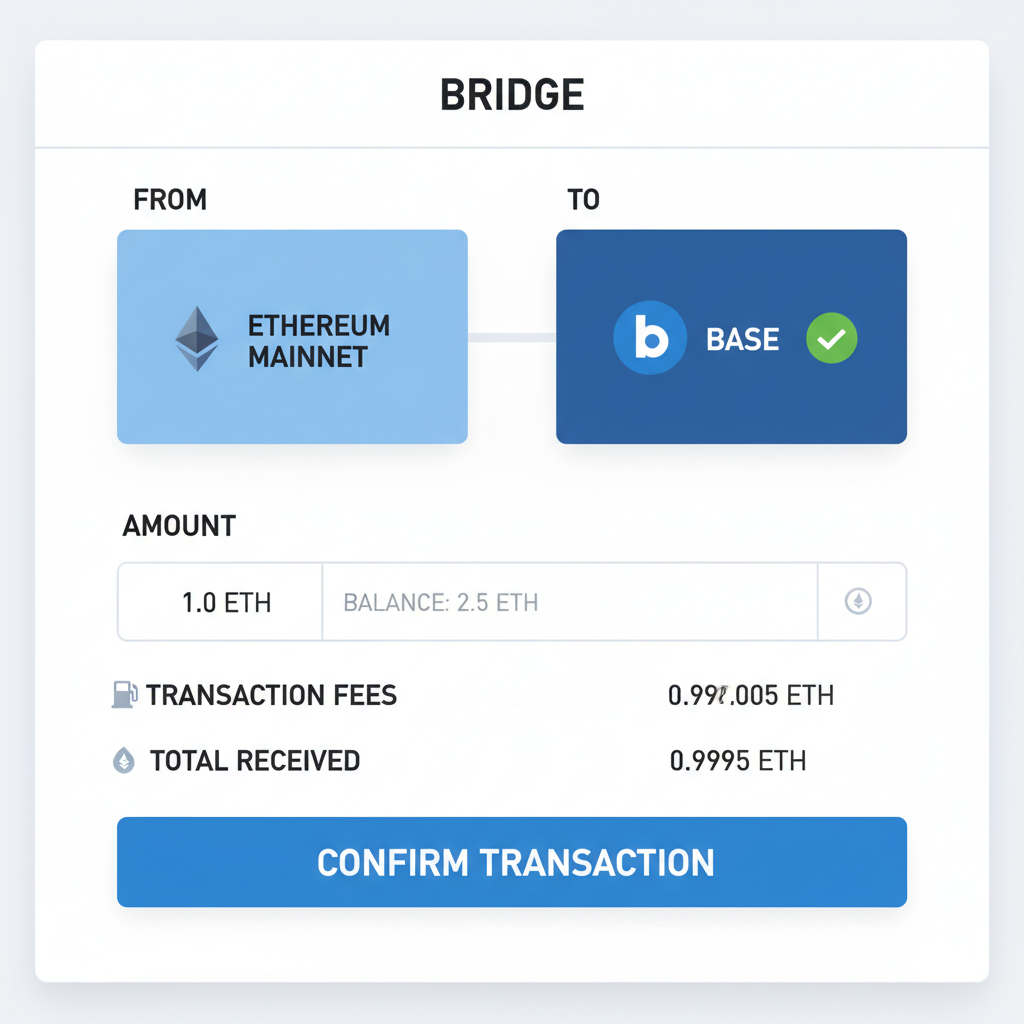
- Choose Base as Destination, Verify No Sequencer Fees and Sufficient ETH for Gas. Toggle to Base – it auto-fills as the Layer 2 target. Double-check: sequencer fees read zero or negligible, a Base hallmark. Peek at your Base ETH balance; top up via faucet or swap if under 0.001 ETH. The interface flags insufficiencies upfront, preventing stuck txs. I’ve seen users skip this and scramble mid-process – don’t.
Base’s design keeps arrival costs minimal, unlike some L2s piling on extras. Quote refreshes live; if Ethereum gas dips, hit bridge immediately. Tools like chaincost. app confirm these estimates hold in 2026.
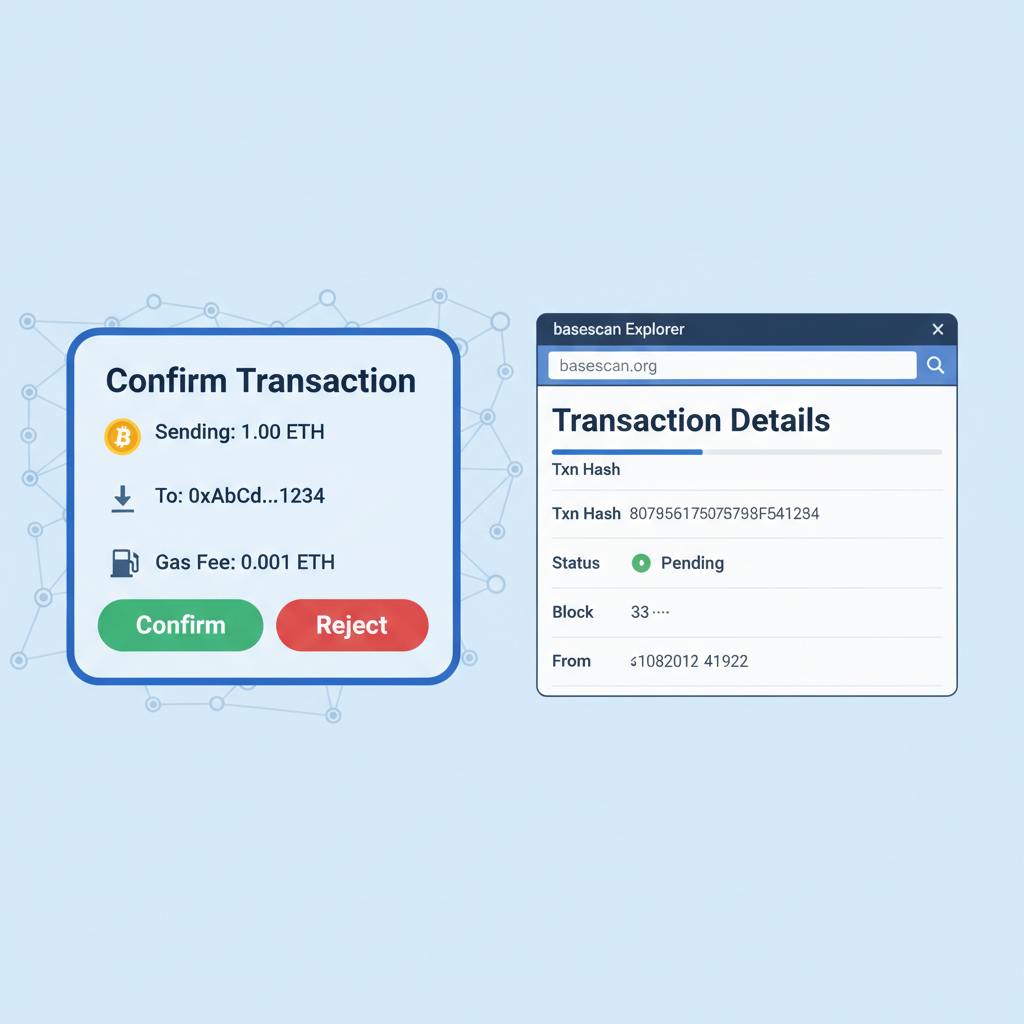
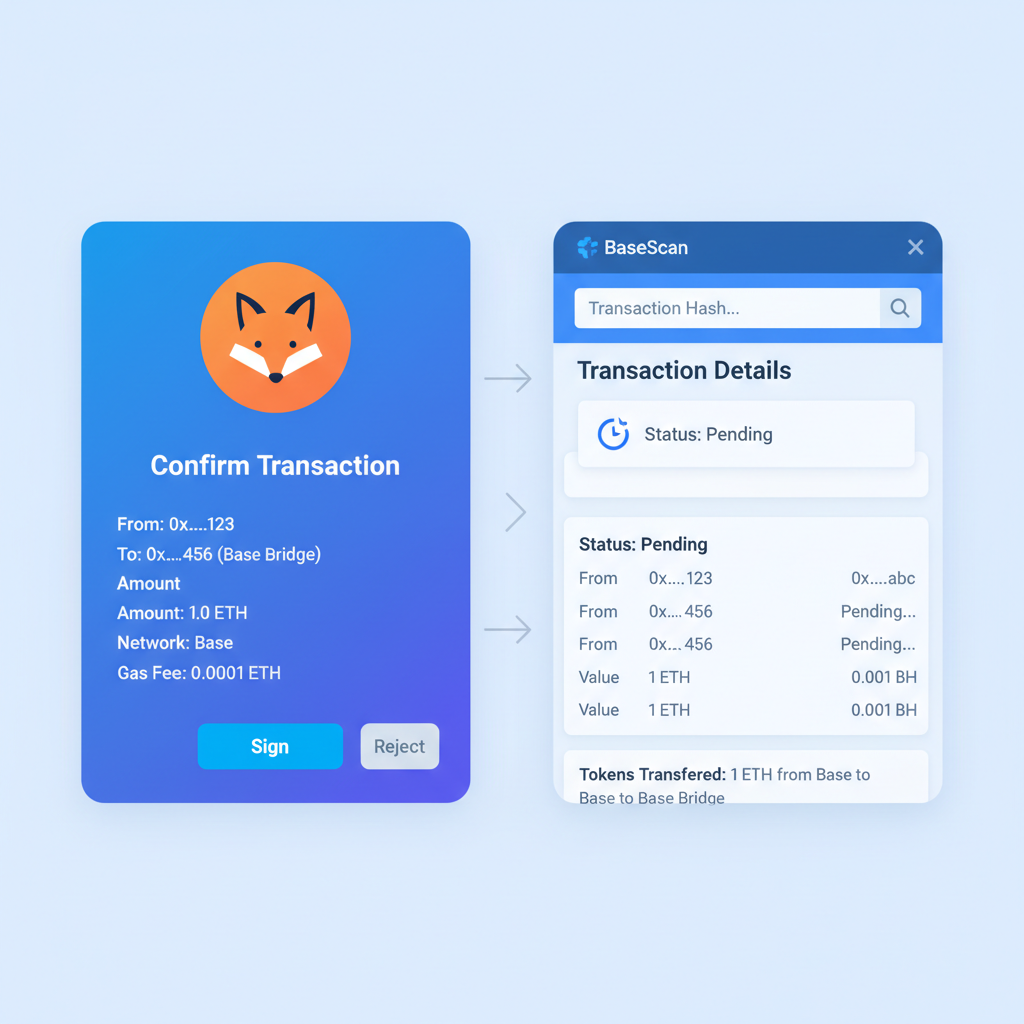
- Confirm Transaction, Sign Prompt and Monitor on BaseScan (10-15 Min Average). Review summary: USDC amount, fees in USD/gwei, ETA. Approve in wallet – MetaMask pops a clean signature request. Tx hashes appear instantly; copy to BaseScan. org for real-time tracking. Deposits settle in 10-15 minutes tops during averages, faster off-peak. Refresh explorer for that satisfying ‘Success’ and Base USDC balance bump.
Bridge USDC to Base: Verify Fees & Confirm Tx (Steps 3-4)
That’s your USDC on Base, ready for DeFi action. No gotchas if you followed the Base bridge tutorial precisely. But let’s layer on pro moves to supercharge this.
Fee-Minimizing Hacks and Post-Bridge Plays
Gas spikes? Layer in Coinbase Wallet’s Simple Mode post-bridge: zero-fee USDC sends on Base, a 2026 adoption magnet. Bridge first via official, then batch transfers fee-free. Monitor congestion via Etherscan gas tracker; weekends often gift sub-$3 bridges. Always hold 0.005 ETH buffer on Ethereum – peace of mind.
For Coinbase loyalists eyeing costs, this visual breakdown ties right in: how much does it cost to bridge crypto from Coinbase to Base. Official remains king for security; third-parties tempt with speed but carry smart contract risks.

Verification cements success. Scan BaseScan for tx confirmation, check wallet balance, test a micro-send on Base. Risks? Minimal with official – no exploits since launch, billions secured.
Troubleshooting and Long-Term Wins
Stuck? Revoke approvals on revokecash. app if retrying. Wrong chain? Disconnect/reconnect wallet. In 2026, Base’s uptime hits 99.9%; rare delays trace to Ethereum. Long-term: batch bridges monthly, stake bridged USDC in Base protocols for yields outpacing gas costs.
Empowering you to transfer USDC to Base confidently – that’s the Rowan way. Knowledge bridges gaps better than any protocol.
About the Author